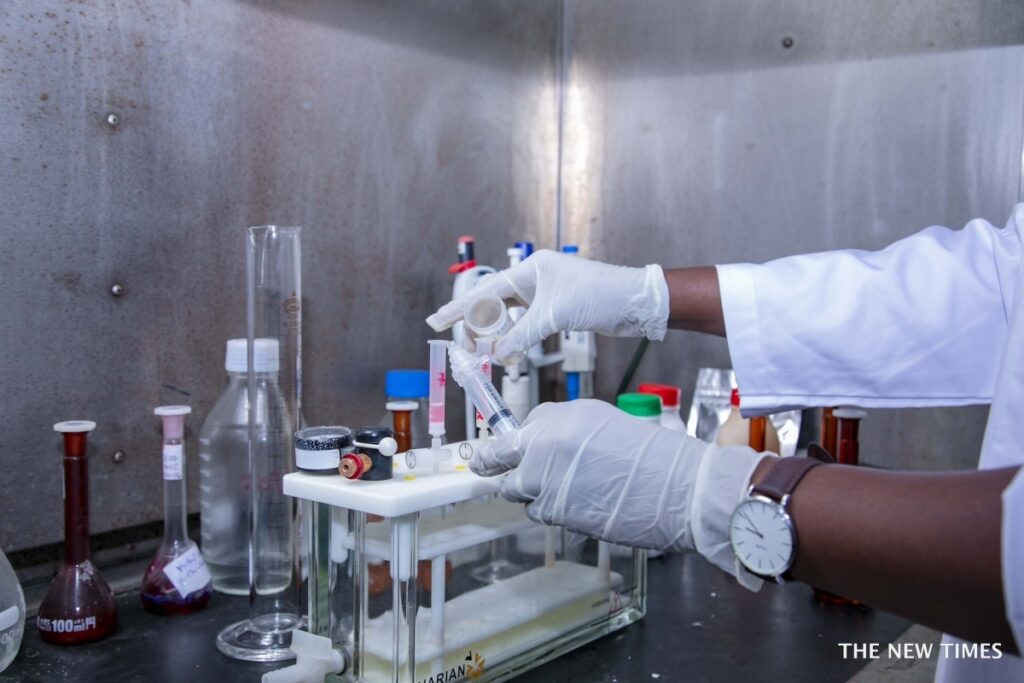
KIGALI, RWANDA, The Rwanda Biomedical Centre (RBC) has expanded its Rwanda bacteriology laboratory network to 20 laboratories across Kigali and the four provinces, as part of efforts to tackle antibiotic resistance, The New Times reported on 25 November.
Kibagabaga and Kabgayi Level Two Teaching Hospitals joined the network in July, according to the report.
Lambert Christophe Safari said the network comprised 19 facilities, 18 for human health and one for animal health, at the time of his assessment, The New Times reported. The addition of new hospitals brings the Rwanda bacteriology laboratory network to 20 sites.
“We cannot determine if a bacterium or pathogen is antimicrobial resistant without testing,” said Noel Gahamanyi, Director of RBC’s Microbiology Unit.
Why the Rwanda bacteriology laboratory network matters
Bacteriology laboratories grow bacteria from patient samples and test which antibiotics can kill them, known as antimicrobial susceptibility testing. “Strengthening microbiology laboratory capacity and antimicrobial susceptibility testing will enable clinicians” to choose the right treatment, the report said.
Without such testing, doctors often prescribe broad-spectrum antibiotics on a best-guess basis, which can fuel resistance. A 2024 study of 122 inpatients at a Kigali referral hospital found that 98 per cent had received antibiotics before a culture sample was taken, The New Times reported.
The same study found that Gram-negative bacteria were susceptible to ceftriaxone in only 27 per cent of cases, to co-amoxiclav in 2.4 per cent and to ciprofloxacin in 44 per cent, according to the report, meaning these commonly used antibiotics often no longer work.
Prescribing patterns
A separate 2024 study at the University Teaching Hospital of Kigali (CHUK) found that 39.3 per cent of inpatients were on at least one antimicrobial, and that 65.1 per cent of 232 antibacterials prescribed were in WHO’s “Watch” category, antibiotics with higher resistance potential that should be used more carefully, the report said. Cultures were requested for only 27.1 per cent of patients, and stop or review dates were recorded for only 10.4 per cent of prescriptions.
“Is there really a suspected or confirmed infection?” clinicians should ask before prescribing, the report quoted.
As general background, antimicrobial stewardship programmes in hospitals encourage doctors to take samples before starting antibiotics, review treatment when results arrive, switch to narrower-spectrum drugs where possible and stop antibiotics when they are no longer needed. The low rates of culture requests and review dates in the CHUK study show room for improvement.
Other experts quoted included Charles Muhinda of the University of Rwanda and Umeå University, Mariska Kreuger of King Faisal Hospital and Marcel Ishimwe of AMR Initiative Rwanda, according to the report.
Plans and gaps
Rwanda’s Second National Action Plan on antimicrobial resistance (2025 to 2029) has a budget of Rwf40.1 billion, but the first plan achieved only 34 per cent implementation, The New Times reported. A law published on 11 September makes the One Health approach a legal requirement for farmers and vets.
As general background, the gap between plans and implementation is common across Africa: Nigeria completed only 44 per cent of the activities in its first national AMR plan. Laboratory expansion, such as the growth of the Rwanda bacteriology laboratory network, is one of the more visible and measurable steps countries can take.
Kenya launched a new national AMR report this month showing that 64 per cent of Acinetobacter isolates resist carbapenems, among the last effective antibiotics, underlining the regional scale of the challenge.
Rwanda’s laboratory data will help track whether resistance patterns change over time and guide national treatment guidelines for common infections in hospitals and clinics.
The report was published during World AMR Awareness Week, held under the theme “One Health, one action: Prevent AMR now.”
What it means for patients
As general background, when common antibiotics stop working, infections such as pneumonia, urinary tract infections and bloodstream infections become harder and more expensive to treat, and more patients die. Expanding the Rwanda bacteriology laboratory network means more patients can receive treatment matched to their infection.
Patients can help by using antibiotics only when prescribed, completing the course and never sharing leftover medicines. HealthCoach Africa has explained the causes and impact of antimicrobial resistance in Africa.
Experts say laboratories must be matched by stewardship programmes that review prescriptions and by reliable supplies of reagents and trained staff.
The expansion of the Rwanda bacteriology laboratory network also supports surveillance, since data from laboratories feed into national and WHO reporting on resistance trends.
Why it matters: Testing which antibiotics work lets Rwandan doctors stop guessing, saving lives as common drugs lose effectiveness against infections.
Rwanda Steps Up Fight Against Antibiotic Misuse With… KIGALI, RWANDA — Rwanda is tightening its response to antimicrobial resistance (AMR) through a new livestock law that turns the One Health approach into a legal duty, though experts say the Rwanda antibiotic misuse law…
Rwanda to Roll Out Six-Month HIV Prevention… KIGALI, RWANDA — Rwanda will begin offering the Rwanda lenacapavir HIV injection, a prevention shot given once every six months, on 1 December to coincide with World AIDS Day, The New Times reported on 4 November.…
Experts Say Rwanda Must Speed Up Implementation of… KIGALI, RWANDA Rwanda needs to improve how it implements its Rwanda AMR action plan after fewer than four in 10 planned activities were carried out, health experts have said, The New Times reported on 24…
Antibiotic Overuse and Resistance: A Call to Action… Antibiotic overuse and resistance pose significant dangers to public health . Overuse refers to the unnecessary or excessive use of antibiotics, while resistance occurs when bacteria develop the ability to withstand the effects of antibiotics, rendering…