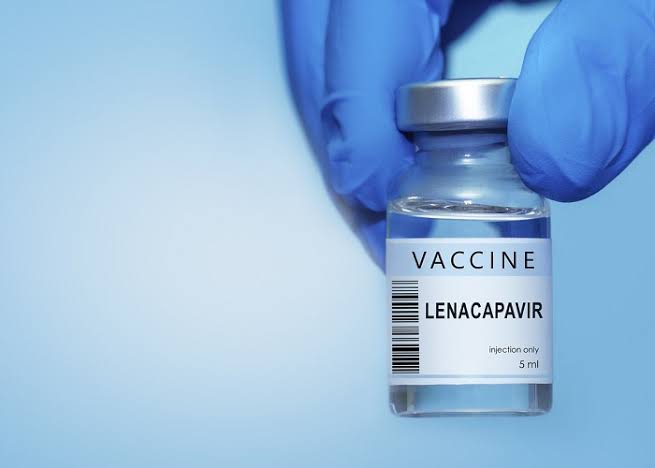
KIGALI, RWANDA — Rwanda will begin offering the Rwanda lenacapavir HIV injection, a prevention shot given once every six months, on 1 December to coincide with World AIDS Day, The New Times reported on 4 November.
The medicine arrived in Rwanda on 3 November, and the Rwanda Biomedical Centre (RBC) says it will first be offered at 12 health centres across the country. The drug will be free, although some related services may be covered by existing insurance, including community-based health insurance.
Where the Rwanda lenacapavir HIV injection will be offered
In Kigali, the sites are Remera Mental Health Centre in Gasabo and the Kacyiru, Kabusunzu and Gikondo health centres, supported by Kibagabaga, Nyarugenge and Muhima district hospitals. In Eastern Province, Mukarange and Nyamata health centres will offer the injection, backed by Gahini and Nyamata district hospitals.
In Western Province, the sites are Rubengera and Gisenyi health centres, supported by Kibuye and Gisenyi district hospitals. In Northern Province, Muhoza in Ruhengeri and Kinigi health centres will take part, with Ruhengeri Referral Hospital supporting Kinigi. In Southern Province, the sites are Gitarama and Rango health centres, backed by Kabgayi and Kabutare district hospitals.
Who is eligible
“Eligibility will be determined using a risk-based approach,” said Dr Zephanie Nzeyimana, HIV Key Population Strategic Officer at RBC. Groups named include female sex workers, men who have sex with men and HIV-negative people in sero-discordant relationships, where one partner is living with HIV.
“Lenacapavir will be offered alongside daily oral PrEP and injectable cabotegravir,” Nzeyimana said. “Unlike daily oral PrEP, lenacapavir is administered every six months.”
RBC and partners have trained health workers and are running public awareness campaigns, including efforts to counter misinformation, according to the report.
How lenacapavir works
Lenacapavir, developed by Gilead Sciences, interferes with the HIV capsid, the protein shell that protects the virus’s genetic material. The US Food and Drug Administration approved it for HIV prevention on 18 June 2025 under the brand name Yeztugo, and WHO recommended it as an additional pre-exposure prophylaxis (PrEP) option on 14 July 2025.
Clinical trials showed high effectiveness when the drug is used as prescribed, the report said. In large studies, very few new infections occurred among participants receiving the injection.
In September 2025, international health organisations announced agreements with generic manufacturers to make lenacapavir available for about US$40 per person per year in 120 low- and middle-income countries from 2027, subject to regulatory approval.
Kenya launched the injection on 26 February at Riruta Health Centre in Nairobi, and Uganda followed on 17 April at Lira Regional Referral Hospital, according to the report.
Why a twice-yearly option matters
Daily oral PrEP is highly effective when taken consistently, but many people find it hard to take a pill every day, worry about being seen with HIV medicines or stop when they feel their risk has changed. A twice-yearly injection removes the need for daily pills and can be given discreetly during a clinic visit.
For the Rwanda lenacapavir HIV injection to have an impact, people at risk need to know it exists, trust it and return on time for their next dose. HIV testing before each injection is required, because the drug is for prevention, not treatment.
Health workers will also need to explain what happens if a person misses a dose. Because lenacapavir stays in the body for months, delayed injections can leave low drug levels, so clinics must follow up those who do not return. The Rwanda lenacapavir HIV injection programme will rely on reminders, community outreach and confidential services to keep people on schedule.
Rwanda has one of the strongest HIV treatment records in Africa. Its HIV, STIs and Viral Hepatitis Annual Report 2024/2025 says more than 229,000 people were on antiretroviral therapy as of June 2025, a treatment coverage of 96.9 per cent, with 94 per cent retained in care after one year.
Prevention is now the focus for countries close to treatment targets. Reaching people who are not yet infected, especially young women and key populations, is essential to bring down new infections.
Offering a choice of prevention methods, including daily pills, a two-monthly cabotegravir injection and the twice-yearly lenacapavir shot, allows people to pick an option that fits their lives, which experts say improves uptake and continuation.
The rollout will start in 12 health centres. RBC has not said when it will expand to more sites, but the experience of the first months is likely to guide decisions on wider access as the price falls from 2027.
Why it matters: A twice-yearly injection could protect people who struggle with daily pills, helping Rwanda cut new HIV infections further.
World AIDS Day 2023: What You Need to Know World AIDS Day, observed annually on December 1st, is a significant event that raises awareness about HIV/AIDS and commemorates the progress made in the ongoing fight against this global health crisis. As we approach World…
HIV PrEP in Nigeria: A Practical Guide to HIV Prevention Nigeria has one of the largest numbers of people living with HIV in the world. Yet many new infections can now be prevented with a simple medicine. Pre-exposure prophylaxis, or PrEP, is medicine taken by…
Alarming HIV Resurgence in Nigeria Sparks Concerns… Despite past achievements, recent data reveals a concerning rise in HIV infections, prompting renewed calls for urgent intervention. As the world marks another World AIDS Day, Nigeria finds itself grappling with a resurgence of the…
Insulin Injection Technique Tips: Getting Every Dose Right Insulin is a life-saving medicine for people with type 1 diabetes and many people with type 2 diabetes. Yet the way insulin is injected can make a big difference to how well it works. Poor…