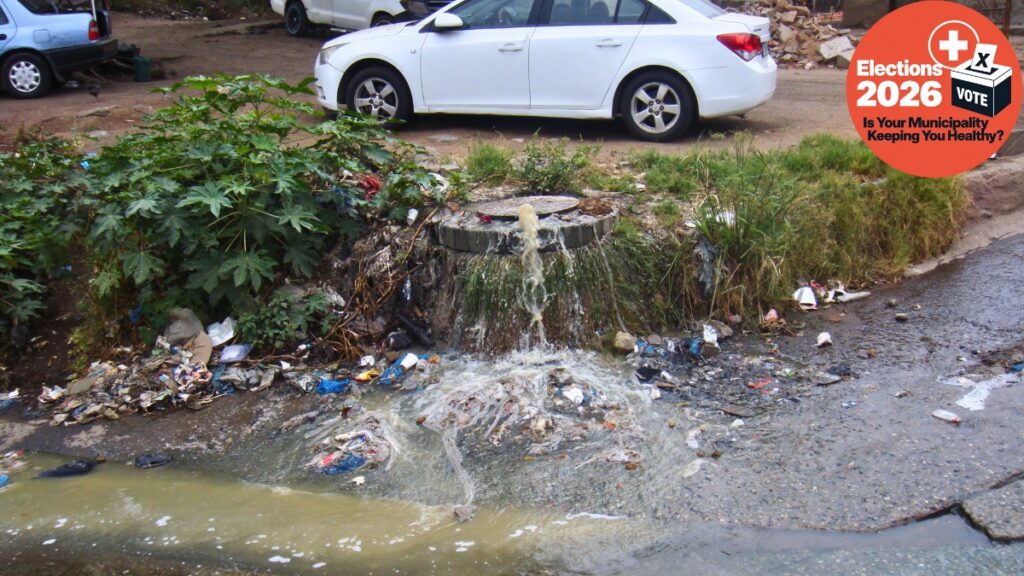
MUSINA, SOUTH AFRICA — Escalating public health hazards across Limpopo Province, sewage flows through musina streets as recurring wastewater spills inundate residential townships, triggering gastrointestinal illness and severe household financial strain. Investigations across Skoonplaas, Matswale, and Harper revealed residential properties encircled by untreated effluent, forcing vulnerable households to spend hundreds of rands monthly on bottled drinking water due to systemic tap water contamination fears.
The environmental health breakdown comes as communities connect chronic municipal infrastructure neglect to upcoming local government elections scheduled for November 4, demanding immediate interventions from the Vhembe District Municipality.
Municipal Sanitation Infrastructure and Financial Allocation Benchmarks
Data compiled from Vhembe District Municipality project disclosures, Health-e News field investigations, and municipal infrastructure grants detail current operational baselines:
Public Sanitation Category
Municipal Operational Benchmarks
Total Allocated Infrastructure Funding
R217.4 Million in capital grants for 2026/27 water projects
Harper Pump Station Allocation
R15.5 Million dedicated to wastewater booster upgrades
Bulk Water Supply Capital Projects
R201.9 Million split across two primary bulk pipeline builds
Average Household Water Expenditure
R300 to R500 monthly spent by families purchasing safe water
Technical Mechanisms Behind Sewer Overflows and Enteric Pathogen Risks
Understanding the environmental health factors explaining why sewage flows through musina residential zones involves analyzing network capacity overloads, raw water supply vulnerabilities, and disease transmission pathways:
Sewer Network Overcapacity and Hydraulic Blockages: Vhembe District Municipality spokesperson Mbhoni Manganyi acknowledged that rapid population growth and rising household demand have pushed aging sewer pipes past intended design limits. System overloads are further aggravated by non-flushable domestic waste clearing delays, causing recurring raw sewage back-ups into streets.
Aquifer Drying and Bulk Water Disruption: Musina relies heavily on riverbed boreholes to supply municipal drinking water. Seasonal droughts and flooding periodically destroy intake pumps or dry out aquifers, creating water outages that disrupt pipe flushing mechanics and force residents to rely on unsafe alternative sources.
Gastrointestinal Disease Risks in Children: Untreated sewage harbors pathogenic bacteria, enteric viruses, and intestinal parasites. Primary school children navigating flooded residential walkways face extreme exposure to waterborne gastroenteritis, typhoid, and cholera, resulting in severe clinical cases of pediatric fever, abdominal cramps, and dehydration.
Household Economic Burden and Accessibility Deficits
The sanitation failure imposes acute economic hardship on low-income families. Residents, including elderly individuals and persons with disabilities living on social grants, report spending up to R500 monthly—a substantial portion of household income—to purchase bottled water from commercial vendors.
Furthermore, physical barriers created by sewage-flooded roads compound healthcare access challenges. Residents with mobility impairments face severe difficulties navigating contaminated streets to reach local primary healthcare clinics, delaying essential medical consultations for acute gastrointestinal symptoms.
Municipal Infrastructure Capital Upgrades and Sector Outlook
In response to community outcry, municipal officials confirmed that technical reports are underway to guide comprehensive pipe network replacements. Ongoing projects include upgrading the primary raw water pump station, constructing a bulk water pipeline, and refurbishing three regional wastewater treatment plants.
Establishing long-term infrastructure funding, completing plant modernizations, and restoring clean tap water access remain vital community priorities as sewage flows through musina neighborhoods during the 2026 municipal election cycle.
Why It Matters: Failing sewer networks convert residential streets into major infection hazards, burdening low-income households with high water costs while increasing risks of severe waterborne disease outbreaks.
Rhodes University Probes Campus Water After Gastro… MAKHANDA, SOUTH AFRICA — Rhodes University has launched a water probe with the Department of Water and Sanitation to establish whether its internal water system caused a gastrointestinal outbreak that sent more than 100 students…
Most South African Water Authorities Fail Drinking… CAPE TOWN, SOUTH AFRICA — More than half of South Africa’s water services authorities were rated bad or poor for municipal drinking water quality, or failed to submit required test results, according to a GroundUp…
Gastro Outbreak Hits 111 Rhodes Students, Renewing… MAKHANDA, SOUTH AFRICA — An acute gastrointestinal outbreak affecting at least 111 students at Rhodes University has triggered a joint provincial health response and reignited intense public scrutiny over Makhanda’s collapsing municipal water and sanitation…
Limpopo Residents Without Phone Signal Struggle to… MUSINA, SOUTH AFRICA — Severe mobile network coverage dead zones in the Campbell community of Musina, Limpopo Province, are forcing residents to trek to dangerous, elevated railway tracks at night to find cell service to…