CAPE TOWN, SOUTH AFRICA — The ongoing South Africa lenacapavir rollout has reached a major landmark, with more than 3,600 individuals initiating the twice-yearly injectable HIV prevention medication across Western Cape public clinics. According to the National Department of Health, 3,641 initiations were recorded across 22 provincial facilities as of 23 August 2026, contributing to 47,934 total initiations nationwide.
The long-acting pre-exposure prophylaxis (PrEP) injection is currently distributed across 360 accredited health centers in six provinces, though temporary international supply constraints continue to dictate rollout pace.
Demographics and Impact of the South Africa Lenacapavir Rollout
Hilary Goeiman, Director of Service Priorities Coordination at the Western Cape Department of Health, confirmed that the majority of recipients are women, reflecting the program’s targeted efforts to protect high-risk populations. Significantly, 258 pregnant women in the province have safely initiated lenacapavir since June.
Elzette Rousseau, a behavioral scientist at the Desmond Tutu Health Foundation, highlighted that community demand for the twice-yearly injection remains exceptionally strong. Patient testimonials emphasize the convenience of six-monthly dosing compared to daily oral PrEP, though clinicians note minor, localized injection site nodules—particularly in patients with lower body fat percentage—as a common and manageable side effect.
Scale-Up Plans and Future Generic Access
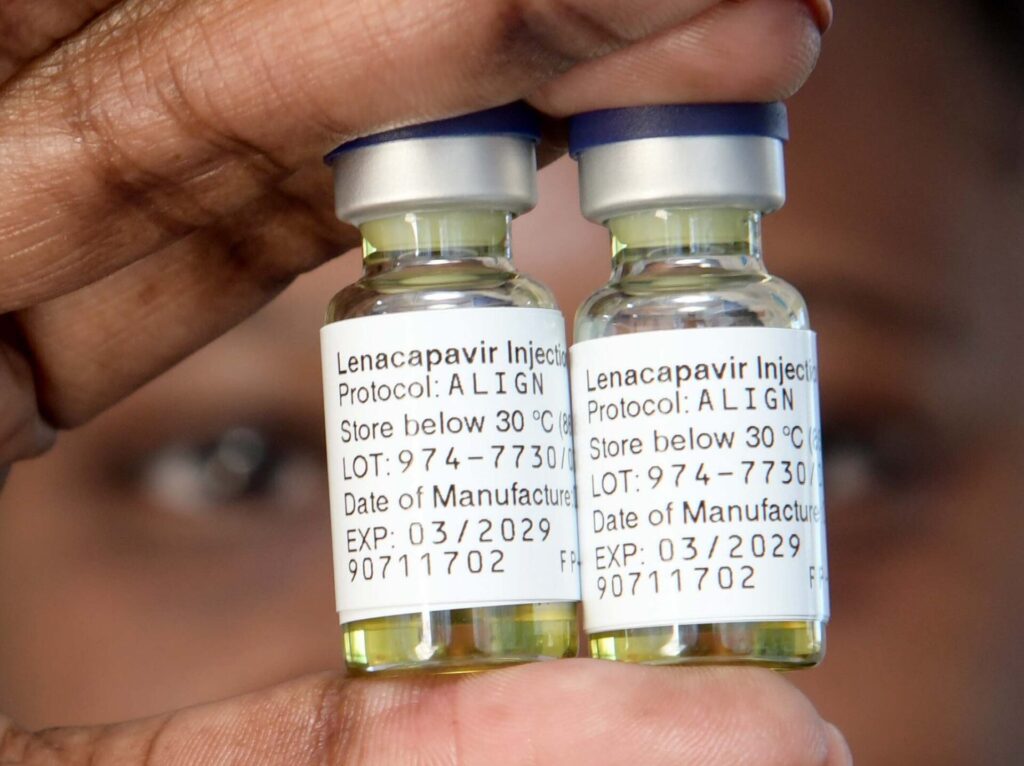
To evaluate real-world delivery models, the ongoing ALIGN study is currently recruiting 1,500 participants across diverse healthcare settings. Furthermore, licenced generic production of lenacapavir is projected to commence in early 2027, which health economists anticipate will significantly lower unit costs and accelerate access across African health systems.
Why It Matters: Uptake data from South Africa offers crucial evidence on how long-acting HIV prevention options can be successfully integrated into public sector health systems across sub-Saharan Africa.
Why South Africa Lenacapavir Rollout Sets HIV… JOHANNESBURG, SOUTH AFRICA — Nearly 55,000 South Africans have received the twice-yearly lenacapavir injection since public health facilities initiated the rollout in June 2026. According to data compiled on 8 September 2026, the long-acting injectable…
Stopping HIV in its Tracks: The Role of PrEP and PEP HIV remains one of the most pressing public health challenges in Africa. According to UNAIDS, over 25 million people in Sub-Saharan Africa are living with HIV, and thousands of new infections occur every day. While…
South Africa HIV Prevention Jab Reaches 55000 People CAPE TOWN, SOUTH AFRICA — Nearly 55,000 South Africans have received lenacapavir, the twice-yearly injectable HIV prevention drug, since its national deployment commenced on 5 June 2026. The South Africa HIV prevention jab is currently…
Pharmacists Supply HIV Pills Across South Africa… Specially trained pharmacists in South Africa can now apply for temporary permits to supply HIV prevention medicines, including pre-exposure prophylaxis and post-exposure prophylaxis, without a doctor's prescription, the South African Pharmacy Council has said. Enabling…