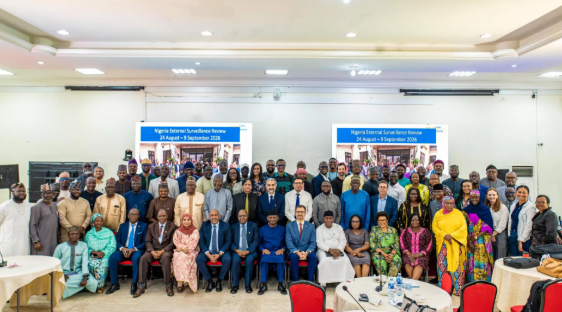
ABUJA, NIGERIA — Health authorities, in collaboration with the World Health Organization and the Global Polio Eradication Initiative, have completed an extensive field assessment across 13 priority states. Conducting the nigeria polio surveillance review, joint evaluation teams evaluated localized detection networks, laboratory sample transportation routes, and acute flaccid paralysis tracking systems to identify critical public health gaps.
This nationwide effort aims to protect millions of vulnerable children from vaccine-preventable diseases. Strengthening field surveillance ensures rapid identification of circulating variant polioviruses, enabling immediate outbreak response vaccination campaigns across high-risk local government areas.
Surveillance Performance & Assessment Targets
The independent evaluation establishes key performance benchmarks across high-priority health zones:
Program Focus Area
Strategic Implementation Objective
Geographic Coverage
Field evaluation across 13 high-priority states
Active Case Detection
Enhanced tracking of acute flaccid paralysis (AFP) cases
Environmental Monitoring
Sewage sampling expansion to catch silent transmission
International Support
Joint execution with WHO & Global Polio Eradication Initiative
Executing the Nigeria Polio Surveillance Review Recommendations
Implementing findings from the nigeria polio surveillance review is essential to maintaining Nigeria’s wild poliovirus-free status while tackling variant polio strains. Recommendations focus on strengthening active surveillance at primary health centers, training community informants, and upgrading regional laboratory capacities for faster specimen processing. Expanding environmental surveillance in high-density urban areas provides vital early warnings before clinical cases emerge.
Furthermore, health ministries are integrating polio tracking tools into broader routine immunization networks to improve overall childhood disease surveillance. Closing regional monitoring gaps and maintaining high population immunity guarantees that every child across Nigeria remains protected against paralytic diseases, bringing West Africa closer to total polio eradication.
Why It Matters: Strengthening polio surveillance closes critical detection gaps, ensuring rapid outbreak response and protecting millions of children from preventable paralytic diseases.
Nigeria Vaccination Campaign Targets 106 Million LAGOS, NIGERIA — Nigeria has initiated a nationwide health initiative aiming to protect vulnerable demographics across all 36 states and the Federal Capital Territory. As the nigeria vaccination campaign targets high-density urban zones and hard-to-reach…
Mental Health Challenges in Nigeria: Funding,… The World Health Organization (WHO) has consistently emphasized the critical importance of mental health, making it a global concern for the past three years through their World Mental Health Day themes. In 2021, the WHO…
7 Facts About Omicron You Need to Know There is a new variant of Covid-19 in town called Omicron. What do you need to know about Omicron and what precautions can you take to protect yourself and family. Evidence suggests that this new…
$300M World Bank loan to upgrade health security Abuja, Nigeria – In a significant move to strengthen Nigeria’s healthcare system, the World Bank has approved a $300 million loan to boost health security and resilience across the country. The funding comes at a…