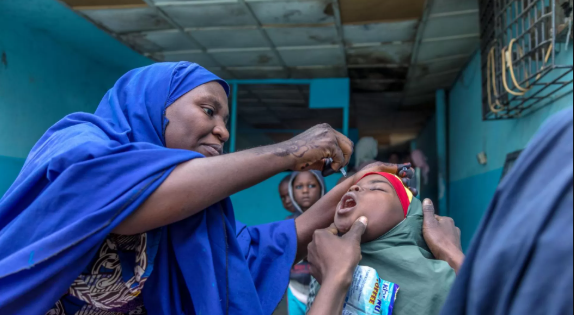
LAGOS, NIGERIA — Nigeria has initiated a nationwide health initiative aiming to protect vulnerable demographics across all 36 states and the Federal Capital Territory. As the nigeria vaccination campaign targets high-density urban zones and hard-to-reach rural communities, health authorities are mobilizing frontline workers to accelerate regional disease elimination goals.
The World Health Organization and UNICEF supported campaign planning and technical implementation, providing vaccine quantities and training for vaccination teams. Campaign objectives prioritize children under five years, where measles and rubella disease burden concentrates, with secondary targets including school-age children and catch-up cohorts lacking prior immunizations. Polio vaccination components reinforced efforts toward polio eradication, eliminating remaining circulation of wild poliovirus in endemic foci.
Campaign Targets & Immunization Priorities
The nationwide health intervention establishes specific logistical standards and target parameters across primary healthcare facilities:
Parameter / Metric
Operational Standard & Target
Total Population Target
106 million individuals nationwide
Primary Target Demographic
Children under 5 years old & school-age cohorts
Targeted Diseases
Measles, Rubella, and Polio
Key Partners
Federal Ministry of Health, WHO, and UNICEF
How the Nigeria Vaccination Campaign Targets Transmission Chains
Campaign logistics established posts across communities, health facilities, and mobile teams reaching dispersed populations. Training programmes certified teams in injection safety, vaccine handling, and adverse event management. Community mobilization through traditional and religious leaders promoted awareness and built trust in areas hesitant toward routine immunizations.
Measles remains a significant childhood mortality contributor in Nigeria, causing an estimated 10,000 to 15,000 annual deaths despite vaccine availability. Campaign implementation aims to interrupt measles transmission through rapid population immunity achievement, interrupting disease chains across high-burden communities. Integrated rubella immunizations prevent congenital rubella syndrome among pregnant women exposed during future pregnancies.
How the Nigeria Vaccination Campaign Targets High-Risk Regions
Polio campaign components targeted high-risk areas and special populations including internally displaced persons in conflict-affected regions. As the nigeria vaccination campaign targets complex remote areas, strategies incorporate both routine services and campaign-based outreach to ensure sustainable eradication. Surveillance expansion monitored for any detected wild poliovirus circulation, triggering rapid response protocols.
Campaign communication strategies addressed vaccine hesitancy through evidence-based messaging emphasizing disease prevention benefits and vaccine safety profiles. Religious and community leader engagement built trust and addressed misconceptions circulating in communities. Local language materials enhanced accessibility for populations with limited literacy.
Vaccine cold chain strengthening ensured product integrity across distribution networks and vaccination posts. Equipment pre-positioning and technician training addressed previous bottlenecks limiting vaccine availability in peripheral areas. Supply chain monitoring tracked vaccine consumption rates to maintain uninterrupted service availability.
Real-time monitoring systems tracked vaccination coverage, enabling targeted strategies in areas showing coverage deficits. As the nigeria vaccination campaign targets nationwide coverage, post-campaign surveys assess immunization rates and identify residual susceptible populations. Geographic information systems mapped vaccination performance, highlighting implementation successes and operational improvements.
Why It Matters: Accelerated population immunity through measles, rubella, and polio vaccination reduces childhood disease burden and advances toward regional elimination targets critical for Africa’s disease control priorities.
Diabetes in Nigeria: Why Blood Sugar Control Fails Diabetes in Nigeria does not usually fail in the clinic. Among people who reach a specialist and stay in care, control is often reasonable. It fails in the years before anyone tests you, and it…
AI in Healthcare: A Strategic Guide for African… How should healthcare organizations in Africa approach emerging artificial intelligence solutions? In an era where artificial intelligence (AI) is rapidly advancing in the realm of healthcare, African health organizations are presented with the challenge of…
Healthy FIFA World Cup Qatar 2022; Creating a Legacy… With Qatar soon to take the centre stage of world sports, the World Health Organization and the Qatar Ministry of Public Health are driving efforts to help make this year’s celebration of football, the “world’s…
Breast Cancer Screening in Nigeria: Where to Go and Costs Breast cancer screening in Nigeria confuses people for a simple reason: nobody tells you which test you need. A woman of 32 asks for a mammogram and is told she does not need one. A…