ABUJA, NIGERIA — Lassa fever has claimed 263 lives in Nigeria so far in 2026, with the case fatality rate rising significantly higher than levels recorded during the same period last year. According to epidemiological data from the Nigeria Centre for Disease Control and Prevention (NCDC), national surveillance reveals a higher mortality proportion even as states prepare for the upcoming dry season transmission peak.
Cumulatively, Nigeria has recorded 1,115 confirmed cases across 24 states and 119 local government areas. The nationwide case fatality rate currently stands at 23.6 percent, compared to 18.5 percent recorded during the corresponding period in 2025.
National Mortality Profile and Lassa Fever Outbreak in Nigeria
Data compiled from NCDC epidemiological week 38 surveillance shows significant geographic clustering across five primary endemic states:
1,115 confirmed infections across 24 states and 119 LGAs
Geographic Epicenters
Ondo (35%), Bauchi (23%), Taraba (12%), Edo (11%), and Benue (6%)
Demographic Vulnerability
Most affected age group: 21–30 years (Median age: 30 years)
Containment Priorities for Lassa Fever Outbreak in Nigeria
To address early diagnostic delays and reduce community mortality ahead of the seasonal surge, public health agencies are focusing on key interventions for the lassa fever outbreak in nigeria:
Early Clinical Index of Suspicion: Training healthcare workers to differentiate Lassa fever symptoms from malaria and typhoid early to enable timely ribavirin administration.
Infection Prevention & Control (IPC): Enforcing strict PPE and isolation protocols in outpatient triage zones to protect frontline health personnel from body fluid exposure.
Rodent-Proof Hygiene Practices: Promoting household food storage in sealed containers and discouraging open-air crop drying to reduce exposure to multimammate rats.
Diagnostic Delays and Pre-Peak Seasonal Vulnerabilities
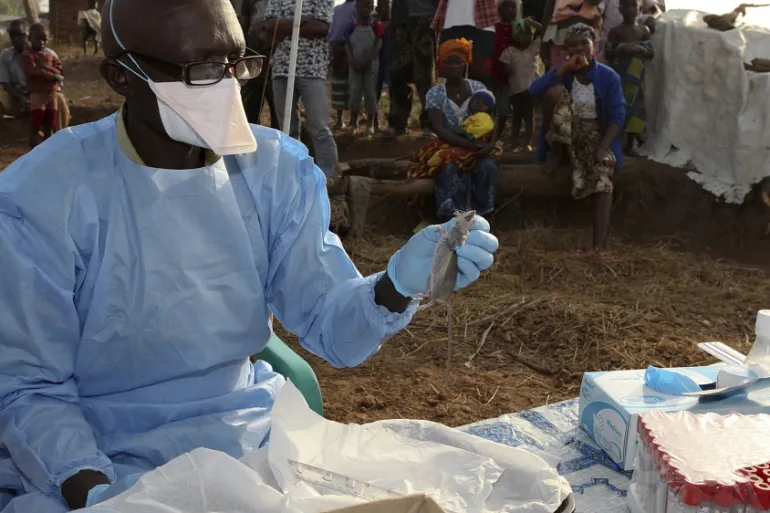
Lassa fever is an endemic viral hemorrhagic fever transmitted primarily through food or household items contaminated with urine or feces from infected multimammate rodents. Because early symptoms—such as fever, severe headache, and malaise—closely mimic common endemic diseases like malaria, many patients present to tertiary centers only after developing acute organ failure or hemorrhaging.
With nearly one in four confirmed patients dying during the current low season, state ministries of health face a critical window to reinforce supportive care capacity, stock antiviral therapeutics, and eliminate reporting lags before dry season rodent migration increases household exposure.
Why It Matters: Nearly one in four confirmed Lassa fever patients is dying, and Nigeria faces a higher baseline mortality rate as it enters the peak dry season transmission window.
Lassa Fever Warning Signs: Early Action Saves Lives Lassa fever is a viral illness that is found in West Africa, and Nigeria reports more cases than any other country. Each year, outbreaks peak during the dry season, from about December to April. In…
Nigeria Lassa Fever Fatalities Reach 268 as Health… ABUJA, NIGERIA — The ongoing lassa fever outbreak in nigeria has claimed 268 lives through epidemiological week 40 of 2026, pushing the national case fatality rate (CFR) to 23.6 percent compared with 18.6 percent recorded…
NCDC Says Lassa Season Has Started Early as Early… ABUJA, NIGERIA — Nigeria’s Lassa fever season began early in November, with infections among health workers, officials said in an NCDC health security update presented at the close of the 2026 Health Sector Joint Annual Review,…
Nigeria’s Lassa Fever Death Rate Climbs to 23.4… ABUJA, NIGERIA Nigeria’s Lassa fever fatality rate has risen to 23.4 per cent so far in 2026, up from 18.3 per cent at the same point last year, according to the Nigeria Centre for Disease…