Endometriosis is a common condition that causes painful periods, pelvic pain and, for some women, difficulty conceiving. Many women in Nigeria live with symptoms for years before diagnosis, because severe period pain is often dismissed as normal. If you have endometriosis, or suspect you do, you may worry about your fertility. This guide explains endometriosis and getting pregnant, the treatments that help and when to seek specialist care.
What endometriosis is
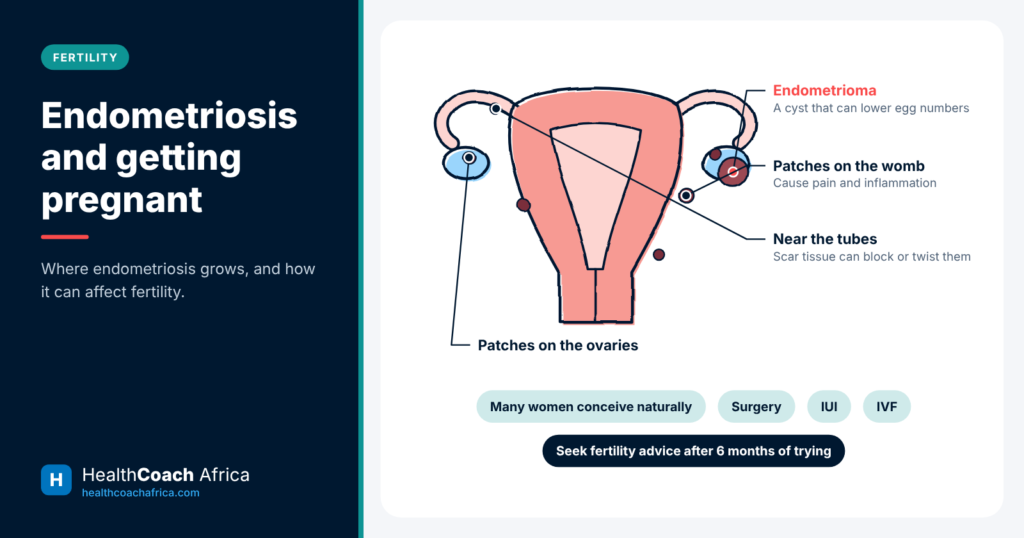
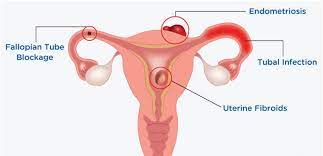
Endometriosis happens when tissue similar to the lining of the womb grows outside the womb. It is most often found on the ovaries, fallopian tubes, the outer surface of the womb and the lining of the pelvis. It can also affect the bowel and bladder.
This tissue responds to monthly hormone changes. It thickens and bleeds, but the blood cannot leave the body. This leads to inflammation, pain and scar tissue, called adhesions, that can stick organs together. The World Health Organization estimates that endometriosis affects about one in ten women and girls of reproductive age worldwide.
Common symptoms
Symptoms vary greatly. Some women have severe pain, while others have few symptoms. Common signs include:
Very painful periods that stop you from going to school or work
Pelvic pain between periods
Pain during or after sex
Pain when opening the bowels or passing urine, especially during periods
Heavy periods
Tiredness
Difficulty getting pregnant
The amount of pain does not always reflect how much endometriosis is present.
Why diagnosis is often delayed
Many women wait years for a diagnosis. Painful periods are often seen as normal, and symptoms can be mistaken for pelvic infection, fibroids or bowel problems. Some women are treated repeatedly with antibiotics for a “womb infection” that is actually endometriosis.
If painful periods disrupt your life, or you have pain during sex or difficulty conceiving, ask your doctor about endometriosis.
Endometriosis and getting pregnant: why early diagnosis matters
Endometriosis can progress over time in some women, and egg numbers naturally fall with age. Therefore, a delay in diagnosis can mean a delay in fertility treatment. Women who know they have endometriosis can plan ahead, for example by trying to conceive earlier or seeking fertility advice sooner. Some women consider freezing eggs before ovarian surgery or before they are ready to have children. Discuss these options with a specialist.
How endometriosis is diagnosed
Your doctor will ask about your symptoms and examine you. An ultrasound scan can show endometriosis cysts on the ovaries, called endometriomas, and sometimes deeper disease. MRI scans may be used in some cases.
However, small patches of endometriosis may not show up on scans. Laparoscopy, a keyhole operation in which a camera is passed into the abdomen, allows the surgeon to see and treat endometriosis at the same time.
How endometriosis affects fertility
Endometriosis and getting pregnant are closely linked, because the condition can affect fertility in several ways:
Scar tissue can block or distort the fallopian tubes
Endometriosis cysts can damage the ovaries and reduce egg numbers
Inflammation in the pelvis can affect eggs, sperm and embryos
Painful sex can reduce how often couples have intercourse
Despite this, many women with endometriosis, especially mild forms, conceive naturally. Having endometriosis does not mean you cannot have children.
Treatment options when trying to conceive
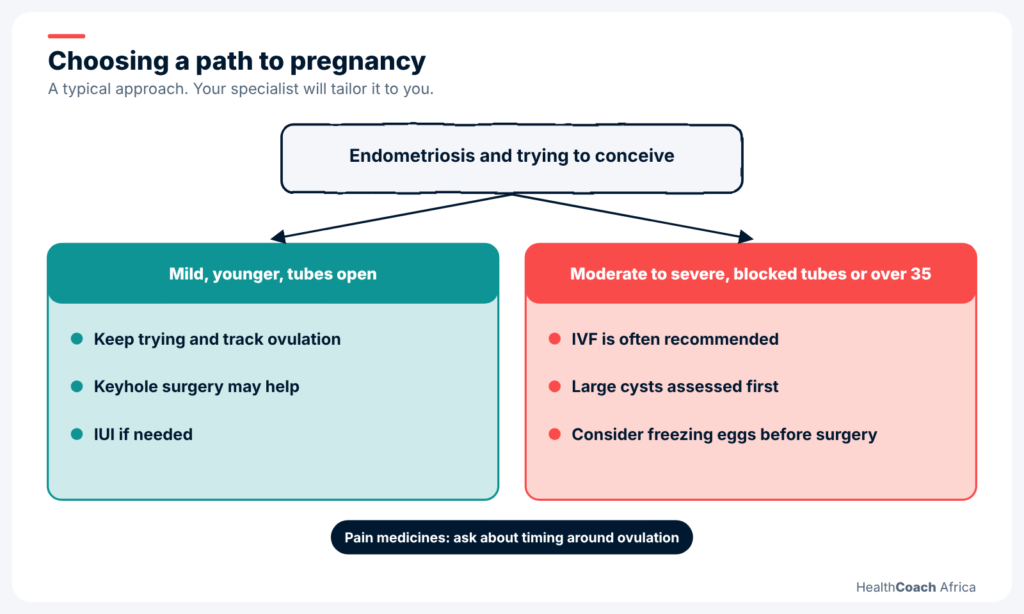
The right approach depends on your age, the severity of endometriosis, how long you have been trying and any other fertility factors.
Trying naturally. Women with mild endometriosis and no other problems may be advised to keep trying for a time, while tracking ovulation.
Laparoscopic surgery. Removing endometriosis patches and adhesions can improve natural fertility in some women with mild to moderate disease.
Surgery for endometriomas. Large ovarian cysts may be removed, but surgery can also reduce egg numbers, so specialists weigh the benefits carefully.
Intrauterine insemination. Sperm is placed directly into the womb around ovulation, sometimes with ovulation medicines.
IVF. This is often recommended for moderate to severe endometriosis, blocked tubes, older women or when other treatments have not worked.
Decision diagram of fertility options for women weighing endometriosis and getting pregnant
Age, severity and the state of the tubes guide the choice. Both partners should be assessed early.
Endometriosis and getting pregnant after surgery
After laparoscopic surgery, the best chance of natural conception is often in the first six to twelve months. Your doctor may advise you to start trying soon after you recover. If pregnancy does not happen within that time, IVF may be recommended. Ask your surgeon to explain what was found and removed, because this information guides the next steps.
Hormone treatments and fertility
Hormone treatments 1 , such as the contraceptive pill, progestogens and medicines that switch off the ovaries, are effective for pain. However, they stop ovulation while you take them, so they do not improve fertility. They are useful for women who are not trying to conceive now, and sometimes before IVF.
HUBPHARM PHARMACIST’S NOTE If you are trying to conceive, when you take period pain medicine matters. Anti-inflammatories taken around ovulation may interfere with it. Message a HubPharm pharmacist with your cycle dates, and we will help you plan safe pain relief for each part of the month. We can also explain how any fertility medicines you are prescribed fit around your pain treatment, so that you feel confident and supported at every single stage of trying to conceive.
Managing pain while trying
Anti-inflammatory painkillers, such as ibuprofen and mefenamic acid 2 , are often used for period pain. If you are trying to conceive, ask your doctor about the best timing, because these medicines can affect ovulation if taken around mid-cycle. Paracetamol, heat pads, gentle exercise and rest also help.
When to see a fertility specialist
Women with endometriosis should seek fertility advice sooner than others. See a specialist if you have been trying for six months without success, or sooner if you are over 35, have severe symptoms or known ovarian cysts. Early assessment of both partners avoids wasted time.
Pregnancy with endometriosis
Once pregnant, most women with endometriosis have healthy pregnancies. Some studies suggest a slightly higher risk of complications such as bleeding in pregnancy or premature birth, so regular antenatal care is important. Tell your midwife and doctor about your history. Many women notice that their pain improves during pregnancy and while breastfeeding. However, symptoms can return once periods restart, so plan a follow-up visit after the baby is born to discuss ongoing pain control and contraception.
The role of your partner
Fertility is a shared journey. Your partner should have a semen analysis early, because male factors are common and may change the treatment plan. Understanding endometriosis and getting pregnant together, and attending appointments as a couple, makes decisions easier. Partners can also help by learning about the condition, coming to scans and consultations, and acknowledging the pain, rather than dismissing it, and by sharing the emotional load of trying to conceive with endometriosis and getting pregnant on your mind every month.
Myths about endometriosis
“Painful periods are always normal.” Pain that stops you from carrying out daily activities is not normal and should be checked.
“Pregnancy cures endometriosis.” Symptoms may ease during pregnancy, but they often return afterwards.
“Women with endometriosis cannot get pregnant.” Many women with endometriosis have children, some naturally and some with treatment.
Taking care of yourself
Living with endometriosis can be exhausting and isolating. A balanced diet, regular exercise and good sleep can help with pain and energy. Talking to your partner, friends or a support group eases the emotional load. For more on women’s reproductive health, read our guide to gynaecological health.
Getting help
Understanding endometriosis and getting pregnant helps you plan with your doctor. If you have painful periods or trouble conceiving, ask for an assessment. For questions about pain medicines, hormone treatments or fertility medicines, message a HubPharm pharmacist or ask Afiya on WhatsApp in confidence.
Medicines and products in this article
#
Medicine or product
What to know
1
Hormonal treatments
Prescription only
The pill, progestogens and other hormone medicines relieve pain but stop ovulation while taken.
2
Ibuprofen or mefenamic acid
Pharmacy medicine
Anti-inflammatory painkillers for period pain. Ask about timing if you are trying to conceive.
To order any of these, or to ask a pharmacist a question first, message HubPharm on WhatsApp or visit hubpharmafrica.com. Prescription medicines are supplied against a valid prescription.
Uterine Fibroids and Fertility: What Every Woman Should Know Fibroids are non-cancerous growths in the muscle of the womb, and they are very common. By the age of 50, most women will have developed at least one. Black women tend to get them earlier,…
IVF Treatment in Nigeria: A Step-by-Step Guide for Couples Infertility affects many Nigerian couples and often brings stress, stigma and family pressure. In vitro fertilisation, or IVF, has helped many of these couples to have children. The number of fertility clinics in Nigeria has…
PCOS and Getting Pregnant: Proven Steps That Help… Polycystic ovary syndrome (PCOS) affects roughly one in ten women of reproductive age, and the World Health Organization estimates that up to 70% of them have never been diagnosed. It is also the most common…
Understanding Female Fertility: Factors, Diagnosis,… Female fertility refers to a woman's ability to conceive and carry a pregnancy to term. It is a complex and dynamic process that is influenced by various factors, including hormonal balance, reproductive anatomy, and overall…