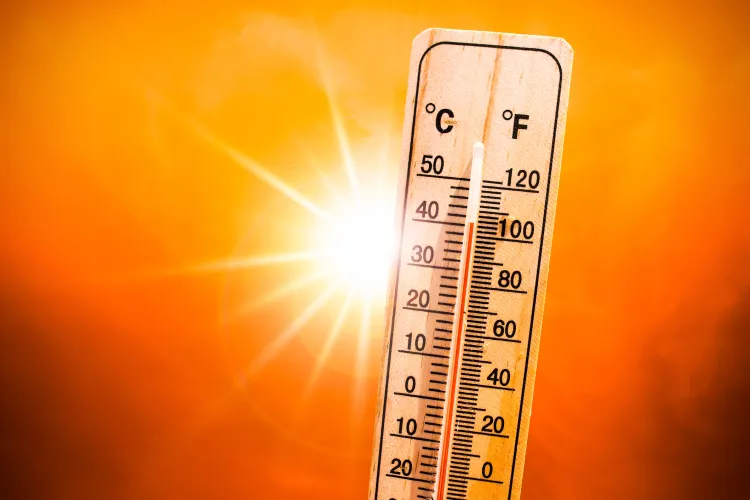
LAGOS, NIGERIA — As nigeria faces extreme heat risks driven by a global Super El Niño weather cycle, public health authorities and meteorologists have issued urgent advisories to mitigate rising mortality and chronic disease complications. According to a report by the Climate Impact Lab titled “451,000 at Risk: Where Action Can Save Lives During the Super El Niño”, Nigeria is projected to record roughly 31,400 additional heat-related deaths between September 2026 and February 2027.
The warning coincides with an official weather advisory released by the Nigerian Meteorological Agency (NiMet) on October 23, which alerted citizens to rising thermal stress, reduced cloud cover, and increased humidity as the country transitions into its annual dry season.
Operational Benchmarks for Nigeria Faces Extreme Heat
Data compiled from Climate Impact Lab projections, NiMet meteorology reports, and World Health Organization (WHO) guidance outline the thermal risk parameters:
Climate & Public Health Category
Forecast & Operational Benchmarks
Projected National Excess Mortality
~31,400 additional heat-related deaths (September 2026 – February 2027)
Global Excess Mortality Burden
451,000 additional heat deaths projected worldwide under Super El Niño
Primary Seasonal Driver
Transition to dry season with reduced rainfall & minimal cloud cover
Vulnerable Population Segments
Elderly, young children, outdoor workers, & NCD chronic disease patients
Technical Mechanics: Nigeria Faces Extreme Heat
Understanding the physiological and clinical threats behind why nigeria faces extreme heat reliance relies on distinguishing key thermal illnesses and chronic disease risks:
Heat Exhaustion versus Heatstroke Dynamics: Heat exhaustion manifests through heavy sweating, dizziness, nausea, headaches, and physical weakness, requiring immediate rest in shaded areas and oral rehydration. Conversely, heatstroke is a life-threatening medical emergency marked by hot dry skin, confusion, delirium, or loss of consciousness, requiring urgent clinical cooling interventions.
Exacerbation of Non-Communicable Diseases (NCDs): Extreme heat imposes severe physiological stress on patients managing hypertension, diabetes, and renal impairments. Dehydration alters blood pressure regulation and reduces kidney filtration, while high ambient temperatures can degrade heat-sensitive medications such as insulin if improperly stored.
Urban Heat Island and Power Vulnerabilities: Built environments in major urban centers retain solar radiation in concrete and asphalt structures, raising microclimate temperatures above rural baselines. Frequent electrical grid disruptions limit household fan and air conditioning usage, exacerbating thermal discomfort.
Public Health Guidance, Workplace Rules, and Patient Precautions
NiMet and WHO health guidance urge citizens to drink clean water regularly, wear light and breathable fabrics, avoid direct midday sun exposure, and reschedule strenuous manual labor to cooler early morning or evening hours. Schools and industrial workplaces are instructed to maintain adequate indoor ventilation, provide clean drinking water, create shaded break zones, and never leave children inside enclosed parked vehicles.
For individuals taking chronic daily medications, clinical pharmacists advise keeping pharmaceutical supplies in cool, dark domestic locations away from direct sunlight, consulting doctors regarding dosage adjustments during prolonged heatwaves rather than altering treatment independently.
Climate Governance, Infrastructure Resilience, and Sector Outlook
Because Nigeria’s dry season typically persists through March or April, health systems and municipal authorities must prepare for extended periods of extreme heat. Public health experts stress that municipal cooling centers, reliable power distribution for health facilities, and targeted outreach for isolated elderly individuals are essential to prevent avoidable casualties.
Establishing community heat action plans remains vital to protecting vulnerable populations as nigeria faces extreme heat conditions across both urban and rural communities.
Why It Matters: Prolonged heatwaves worsen chronic conditions like hypertension and diabetes, requiring structured hydration plans and safe medicine storage during the dry season.
Researchers Warn of Heat Deaths as South Africa… JOHANNESBURG, SOUTH AFRICA — Extreme atmospheric temperatures driven by a powerful El Niño event could lead to approximately 1,200 additional heat deaths in south africa between September 2026 and February 2027, according to projections from…
How to Manage Stress: A Practical Guide for Busy Lives Traffic, rising prices, job insecurity, family responsibilities and unreliable power can make daily life in Nigeria feel like a constant uphill climb. Some stress is a normal part of life and can even help us…
Asthma Attack Warning Signs: Know Them and Act Fast Asthma is one of the most common long-term conditions in Nigeria, affecting children and adults alike. Most of the time, it can be well controlled with the right inhalers. However, asthma attacks still send many…
How to Track Ovulation: Find Your Most Fertile Days For couples trying for a baby, timing matters. A woman can only get pregnant on a few days in each cycle, around the time an egg is released. Knowing when those days fall can make…