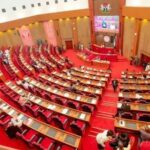
ABUJA, NIGERIA — The Nigerian Association of Resident Doctors (NARD) has issued a resident doctors strike threat over a Senate bill that would jail or fine health workers for delays in emergency treatment, Premium Times reported on 6 November.
The bill, which amends the National Health Act, 2014, would impose up to six months in prison, a fine of up to N300,000, or both, on health professionals and facilities that delay emergency care. It is sponsored by Senator Abdulaziz Yar’Adua (Katsina Central) and passed second reading by voice vote on Wednesday, 4 November.
In a statement issued on Thursday, NARD said: “It is unacceptable to punish doctors for the consequences of a healthcare system” that lacks basic resources.
Why the resident doctors strike threat matters
Resident doctors are postgraduate trainees who staff emergency departments, wards and theatres in teaching hospitals and federal medical centres across Nigeria. They handle much of the night and weekend emergency work, so a nationwide strike would disrupt care for patients who rely on public hospitals.
The resident doctors strike threat adds pressure on lawmakers as the bill moves to committee. After second reading, it was referred to the Senate Committee on Tertiary and Primary Health for further scrutiny and a public hearing, where NARD and other professional bodies are expected to present their views.
“You cannot legislate oxygen into an empty cylinder, electricity into a dark operating theatre,” the association said, according to Premium Times.
What the bill requires
The Senate bill would require emergency assessment within 15 minutes of a patient’s arrival and basic stabilisation, including oxygen therapy, intravenous fluids and pain relief, within 30 minutes. Patients needing admission would be assigned a bed within two hours, subject to availability, and referrals would have to be completed within set times.
A separate House of Representatives bill, also passed for second reading on 4 November, proposes fines, licence suspension and licence withdrawal for hospitals that delay emergency treatment, with protection for health workers who act in good faith and document resource shortages.
Supporters of the bills point to cases in which patients died after hospitals reportedly demanded deposits or police reports before treating them. Existing law, including the National Health Act and the Compulsory Treatment and Care for Victims of Gunshots Act, 2017, already prohibits refusing emergency treatment, but enforcement has been weak.
Funding and brain drain
NARD cited Nigeria’s failure to meet the Abuja Declaration target of allocating 15 per cent of the national budget to health. African Union leaders made the commitment in 2001, and few countries have met it consistently.
The association warned that the penalties could worsen the brain drain, the emigration of doctors and nurses widely known in Nigeria as the “Japa syndrome.” Thousands of Nigerian doctors have left for the United Kingdom, the United States, Canada, Saudi Arabia and elsewhere in recent years, leaving remaining staff with heavy workloads.
Doctors say emergency delays are often caused by shortages they cannot control: no bed space, empty oxygen cylinders, power cuts, missing equipment, lack of blood and too few staff on duty. In such conditions, they argue, punishing individual clinicians would not solve the problem and could discourage them from working in emergency units.
Professional bodies including the Nigerian Medical Association have in the past backed the principle that no patient should be turned away in an emergency, while insisting that government must fund the equipment, staff and emergency services needed to make that possible. Their positions at the public hearing are likely to influence the final shape of the bill.
Finding common ground
Health policy experts say both sides have valid concerns. Patients need assurance that they will be treated in an emergency regardless of their ability to pay, while health workers need the tools and staff to meet any legal timelines.
Options discussed in the debate include an emergency care fund to reimburse hospitals for treating patients who cannot pay, linking emergency care to the National Health Insurance Authority, investment in ambulance services and emergency units, and clear protocols that distinguish negligence from resource failure.
The House bill’s liability protection for workers who document shortages and follow referral procedures could serve as a model for amending the Senate version, analysts say.
NARD did not set a date for a strike in the statement reported by Premium Times. The resident doctors strike threat is likely to shape the Senate committee hearing, and any harmonised bill will need the support of both lawmakers and health workers to work in practice.
Why it matters: Emergency care laws will only save lives if hospitals have staff, oxygen and beds; a doctors’ strike would hit public patients first.
Senate Proposes Jail Term for Hospitals That Delay… ABUJA, NIGERIA — Nigeria’s Senate has passed for second reading a Senate emergency treatment bill that would punish hospitals and health workers who delay care for emergency patients with up to six months in prison or…
Normal Blood Pressure Reading: What Your Numbers Mean You have two numbers and no idea what they mean. Worse, you searched them and found an American page telling you that 134 over 86 is Stage 1 hypertension, while your doctor in Lagos looked…
Health Workers’ Warning Strike Disrupts Hospital… KATSINA, NIGERIA — Public healthcare delivery across Katsina State has been severely paralyzed following the commencement of a one-week warning strike declared by the Assembly of Health Professionals, forcing patients and caregivers to plead for…
Katsina Health Workers Suspend Strike After Governor… KATSINA, NIGERIA — Healthcare delivery has resumed across public tertiary and secondary health facilities in Katsina State after organized labor unions announced that katsina health workers suspend strike action following direct executive intervention by Governor…