KATSINA, NIGERIA — Healthcare delivery has resumed across public tertiary and secondary health facilities in Katsina State after organized labor unions announced that katsina health workers suspend strike action following direct executive intervention by Governor Dikko Radda. Issuing a joint directive following a high-level consultative meeting, the Assembly of Healthcare Professionals instructed clinical and allied personnel to suspend their seven-day warning strike and return to work while a joint technical committee reviews long-standing salary structure disparities.
The union assembly—comprising the Medical and Health Workers Union of Nigeria (MHWUN), the National Association of Nigeria Nurses and Midwives (NANNM), and the National Union of Allied Health Professionals (NUAHP)—confirmed that the suspension took effect on October 18, 2026.
Labor Benchmarks and Katsina Health Workers Suspend Strike
Data released by organized healthcare unions and the Katsina State Government outlines the key parameters of the salary dispute and temporary resolution:
Dispute Category
State Parameters & Labor Negotiation Data
Strike Action Timeline
Initiated 14 October 2026; officially suspended on 18 October 2026
Participating Unions
MHWUN, NANNM, and NUAHP (Assembly of Healthcare Professionals)
Initial Labor Compromise
Unions offered to accept 75% of the federal parity gap (State offered 15%)
Technical Mechanics of CONHESS Parity and Hospital Workloads
Understanding the systemic drivers behind why katsina health workers suspend strike action underscores severe operational challenges within state public hospitals:
State vs. Federal CONHESS Wage Disparities: Clinical staff in state-managed facilities receive significantly lower base pay than colleagues in federal tertiary hospitals performing identical duties, driving internal migration toward federal centers, private clinics, or overseas opportunities.
Allowance Review Mechanics: Negotiations center on implementing updated Consolidated Health Salary Structure (CONHESS) circulars, including comprehensive upward revisions of monthly hazard allowances, shift duty stipends, and call duty compensation.
Grade Level 10 Skipping Anomalies: Labor leaders demanded the immediate correction of administrative career progression bottlenecks, specifically resolving the skipping of Grade Level 10 for eligible nursing and allied health officers.
Disrupted Maternal Care, Private Sector Costs, and Patient Impact
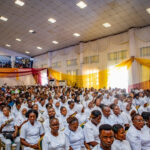
The four-day work stoppage severely paralyzed operations across major public facilities, including the Turai Yar’Adua Maternal and Child Hospital in Katsina metropolis. Wards were largely deserted, forcing distressed caregivers and expectant mothers to seek expensive emergency treatment at private medical centers or delay critical routine care.
Repeated industrial actions severely erode public confidence in state healthcare delivery. Pregnant women requiring prenatal monitoring, infants needing routine immunization, and patients living with chronic non-communicable diseases bear the heavy financial and clinical burdens of unresolved public health labor disputes.
Technical Committee Roundtable, Timelines, and Regional Implications
While Governor Radda’s commitment to establish a technical roundtable temporarily halted the strike, union leaders caution that a suspension does not constitute a final collective bargaining agreement. Unresolved disputes dating back to unfulfilled 2024 review promises highlight the necessity of establishing clear implementation timelines and binding financial commitments to prevent recurrent strike actions.
Resolving Katsina’s health wage structure serves as a critical benchmark for subnational health systems across northern Nigeria. Aligning state health remuneration with national standards remains essential to maintaining health worker morale, stemming professional brain drain, and ensuring uninterrupted access to primary and secondary healthcare.
Why It Matters: Patients have returned to Katsina’s public wards, but without binding timelines and agreed salary figures, future industrial actions remain a threat to healthcare stability.
Health Workers’ Warning Strike Disrupts Hospital… KATSINA, NIGERIA — Public healthcare delivery across Katsina State has been severely paralyzed following the commencement of a one-week warning strike declared by the Assembly of Health Professionals, forcing patients and caregivers to plead for…
Collaborative Efforts: International Health Agencies… KATSINA, Nigeria — A pivotal collaboration between international health agencies and the Katsina State Government is underway to combat the relentless surge of COVID-19. The World Health Organization's Country Director, Dr. Walter Kazadi Molumbo, led…
Katsina Health Workers Strike: 7-Day Warning Walkout… KATSINA, NIGERIA — The upcoming Katsina health workers strike will officially commence at midnight on Tuesday, 8 September 2026, as four prominent healthcare unions begin a seven-day warning walkout across state-owned medical facilities. The industrial…
Diabetes in Nigeria: Why Blood Sugar Control Fails Diabetes in Nigeria does not usually fail in the clinic. Among people who reach a specialist and stay in care, control is often reasonable. It fails in the years before anyone tests you, and it…