Vaginal yeast infection, often called thrush or candidiasis, is very common. Many women experience it at least once in their lives. It causes itching, soreness and discharge, and it can be very uncomfortable. It is not usually serious and is easily treated. However, other conditions can cause similar symptoms, and recurring infections need proper assessment. This guide explains vaginal yeast infection treatment and how to prevent it.
What causes a yeast infection
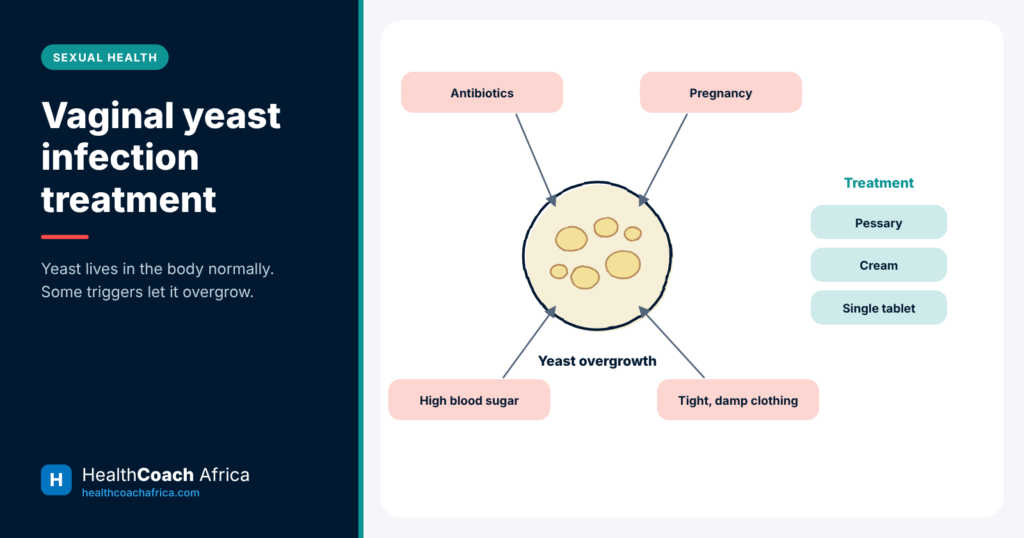
A yeast called Candida normally lives in the vagina in small numbers, kept in balance by healthy bacteria. When this balance is disturbed, Candida can multiply and cause symptoms.
A yeast infection is not a sexually transmitted infection, although sex can sometimes trigger it.
Common symptoms
Itching and irritation around the vagina and vulva
Soreness and stinging, especially when passing urine or during sex
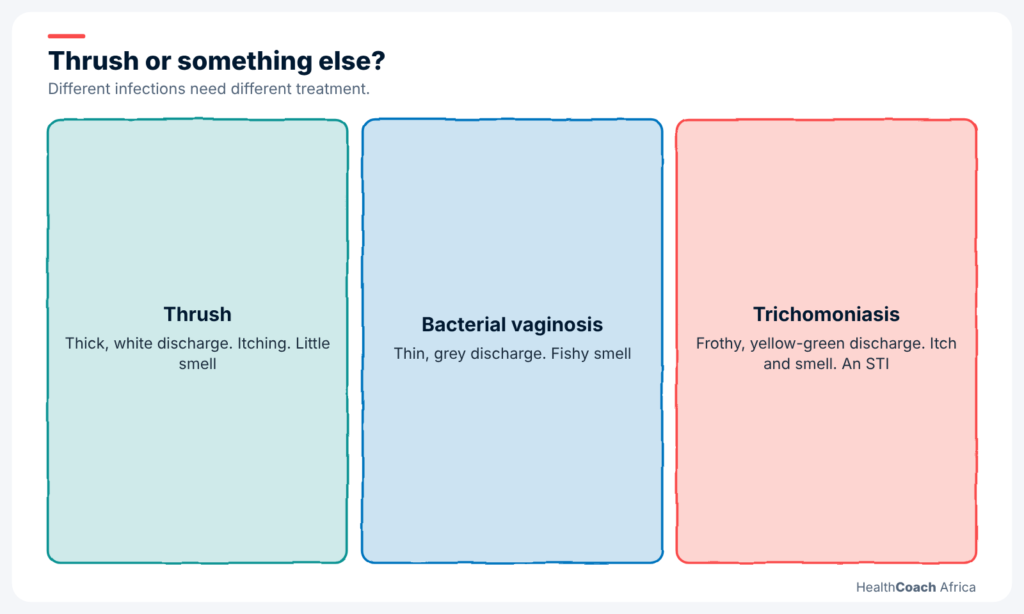
Thick, white discharge, often described as looking like cottage cheese, which usually does not smell
Redness and swelling of the vulva
Normal discharge or infection?
Vaginal discharge is normal. It keeps the vagina clean and healthy. Normal discharge is clear or white, and changes in amount and texture during the menstrual cycle. It becomes wetter and stretchier around ovulation. It may increase in pregnancy and with hormonal contraception.
Discharge is more likely to signal infection if it changes colour, smells unpleasant, causes itching or soreness, or comes with pain or bleeding. Knowing what is normal for you helps you recognise when vaginal yeast infection treatment, or another treatment, is needed.
Common triggers
Yeast infections are more likely:
After a course of antibiotics, which kill healthy bacteria
During pregnancy, because of hormonal changes
In women with diabetes, especially if blood sugar is high
In women with a weakened immune system, such as uncontrolled HIV
With tight, synthetic underwear or clothing that traps heat and moisture
With douching, perfumed soaps or vaginal washes
With hormonal contraceptives in some women
Is it a yeast infection or something else?
Other conditions can cause vaginal itching or discharge, including bacterial vaginosis, trichomoniasis, gonorrhoea, chlamydia and skin conditions. Signs that suggest something other than thrush include:
Discharge that is grey, green or yellow
A fishy or bad smell
Pain in the lower abdomen
Fever
Bleeding between periods or after sex
Sores or blisters
If you have any of these, or if it is your first episode, see a health worker for a test.
Comparison of thrush, bacterial vaginosis and trichomoniasis before vaginal yeast infection treatmen
If you are unsure, or it keeps coming back, get tested before treating.
How to use a pessary
Wash your hands.
Lie on your back with your knees bent, or stand with one foot raised.
Insert the pessary as far into the vagina as is comfortable, using the applicator or your finger.
Use it at bedtime, so it stays in place overnight.
Wear a panty liner, because some discharge is normal afterwards.
Wash your hands again.
Complete the full course, even if symptoms improve sooner. If symptoms do not improve within about a week, see a health worker.
Vaginal yeast infection treatment options
Treatment usually works within a few days:
Antifungal pessaries, such as clotrimazole 1 , inserted into the vagina, often as a single dose or a short course
Antifungal creams, such as clotrimazole or miconazole, applied to the vulva for itching and soreness
Antifungal tablets, such as a single dose of fluconazole 150 mg 2 , taken by mouth
Pessaries and creams are often available from pharmacies. Many women use a pessary or tablet together with a cream for external symptoms.
Treatment in pregnancy
Oral antifungal tablets such as fluconazole are not recommended during pregnancy. Pregnant women should use vaginal pessaries and creams, usually for a longer course of seven days. Insert pessaries carefully by hand rather than with an applicator. Always tell the pharmacist or doctor that you are pregnant.
Yeast infections and diabetes
High blood sugar provides food for yeast. Women with diabetes are more likely to get thrush, and it can keep coming back. Some diabetes medicines, called SGLT2 inhibitors, increase sugar in the urine and raise the risk further. If you have frequent thrush, ask for a blood sugar test. Good blood sugar control reduces infections. Vaginal yeast infection treatment works better when diabetes is controlled.
HUBPHARM PHARMACIST’S NOTE Fluconazole interacts with several medicines, including some blood thinners and statins, and is not used in pregnancy. A pessary may be the better choice for some women. Message a HubPharm pharmacist with your symptoms and other medicines, and we will recommend the right treatment and deliver it discreetly.
Recurring yeast infections
Some women have four or more yeast infections a year. This is called recurrent vulvovaginal candidiasis. It needs a medical review to:
Confirm the diagnosis with a swab
Check for diabetes and other underlying causes
Identify the type of yeast, as some types need different treatment
Plan a longer treatment course, sometimes with weekly tablets for several months
Self-care and prevention
Wear loose cotton underwear and avoid tight trousers for long periods
Change out of wet swimwear or sweaty clothes promptly
Wash the vulva with water or a plain, unperfumed soap
Avoid douching and vaginal washes, which upset the natural balance
Wipe from front to back after using the toilet
Keep diabetes well controlled
Use antibiotics only when prescribed
What about partners?
Male partners do not usually need treatment unless they have symptoms, such as redness, itching or soreness of the penis. Men with these symptoms can use antifungal cream. Avoid sex until symptoms have settled, because it can be painful and may worsen irritation.
Questions to ask your pharmacist
Are my symptoms typical of thrush?
Which treatment is best for me: a pessary, cream or tablet?
Can I use it while pregnant or breastfeeding?
Does it interact with my other medicines?
When should I see a doctor instead?
Pharmacists can advise on most cases of thrush and will refer you if your symptoms suggest something else.
Thrush and HIV
Women living with HIV may have more frequent or severe yeast infections, especially if the immune system is weak. Taking HIV treatment every day and keeping the viral load suppressed reduces infections. Frequent or hard-to-treat thrush in someone who has not been tested for HIV is a reason to offer a test.
Thrush in babies and breastfeeding mothers
Yeast can also cause white patches in a baby’s mouth and nappy rash, and sore, cracked nipples in breastfeeding mothers. Mother and baby may need treatment at the same time. Ask a health worker for advice.
Using antibiotics wisely
Antibiotics are a common trigger. Take them only when prescribed for a bacterial infection. If you often get thrush after antibiotics, tell your doctor. They may suggest treatment to have on hand.
Vaginal yeast infection treatment: key points
Itching with thick, white discharge is typical of thrush
Creams, pessaries and tablets work well
Pregnant women should use pessaries and creams, not tablets
Recurrent infections need a medical review
Avoid douching and perfumed products
Unusual discharge with smell, pain or fever needs a test
Following these steps makes vaginal yeast infection treatment simple and effective for most women.
Myths about yeast infections
“Douching keeps the vagina clean.” The vagina cleans itself. Douching increases the risk of infections.
“Every discharge is a yeast infection.” Normal discharge changes during the cycle. Unusual discharge can have many causes.
“Thrush means you have been unfaithful.” Yeast infections are not sexually transmitted.
“Garlic or yoghurt inside the vagina cures thrush.” These are not proven and can cause irritation.
Yeast infections after menopause
Yeast infections are less common after menopause, because lower hormone levels make the vagina less welcoming to yeast. Dryness and itching may have another cause. See a doctor before choosing a vaginal yeast infection treatment at this stage of life.
To order any of these, or to ask a pharmacist a question first, message HubPharm on WhatsApp or visit hubpharmafrica.com. Prescription medicines are supplied against a valid prescription.
Gonorrhoea Symptoms and Treatment: What You Need to Know Gonorrhoea is one of the most common sexually transmitted infections. It is caused by bacteria that infect the genitals, rectum and throat. Many people, especially women, have no symptoms and do not know they are…
Urinary Tract Infection Symptoms, Causes and Treatment A burning feeling when you pass urine is hard to ignore. Urinary tract infections, or UTIs, are among the most common bacterial infections, and at least half of all women will have one at some…
Understanding and Managing Common Fungal Infections:… Fungal infections, though often overlooked, are common health concerns that can affect various parts of the body. From the irritating itch of athlete's foot to the discomfort of a yeast infection, understanding these infections is…
Understanding Staph and Strept Infections: Causes,… Staphylococcus (staph) and Streptococcus (strep) are common types of bacteria that reside on the skin, in the throat, and in the nasal passages of many individuals. While most strains of these bacteria are harmless, certain…