Malaria is so common in Nigeria that many families treat it at home without a second thought. Most cases are uncomplicated and respond well to tablets. But malaria can turn severe within hours, especially in young children and pregnant women. Severe malaria affects the brain, blood, kidneys and lungs, and it can kill quickly. Knowing the severe malaria danger signs, and getting to a hospital at once, saves lives. This guide explains what to watch for, who is most at risk and how severe malaria is treated.
What is severe malaria?
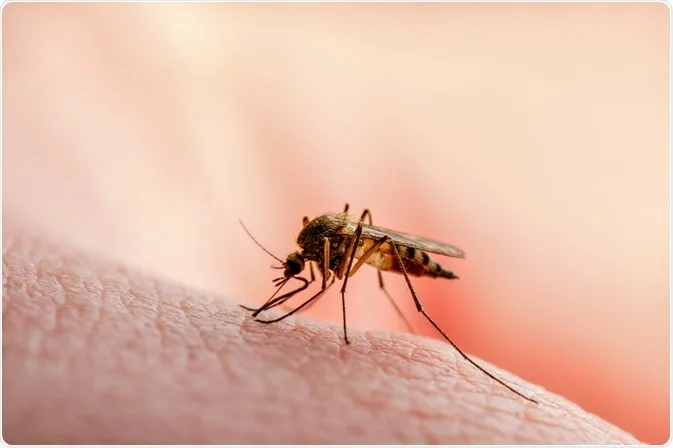
Malaria is caused by parasites passed on through the bite of infected mosquitoes. In Nigeria, most cases are caused by Plasmodium falciparum, the most dangerous species. Severe malaria happens when the parasites multiply rapidly and damage vital organs. Infected red blood cells can stick to the walls of small blood vessels, blocking blood flow to the brain and other organs.
According to the World Health Organization, Nigeria carries the largest share of the world’s malaria cases and deaths. Many of these deaths happen because severe malaria is recognised too late.
How fast can malaria become severe?
In young children, uncomplicated malaria can become severe within 24 hours. A child who was playing in the morning may be fitting by night. That is why fever in a child under five should be tested and treated the same day. Adults usually have more time, but delays of two or three days, or ineffective treatment, can also lead to severe disease. Every hour counts once severe malaria danger signs appear.
Who is most at risk?
Children under five, whose immunity is still developing
Pregnant women, especially in a first pregnancy
People living with HIV
People with sickle cell disease
Visitors and returning travellers who have lost their partial immunity
Anyone whose malaria treatment was delayed or incomplete
Severe malaria danger signs in children
Take a child to hospital immediately if you notice any of these severe malaria danger signs:
Convulsions or fits, even one
Unusual sleepiness, difficulty waking or unconsciousness
Unable to drink or breastfeed
Vomiting everything
Fast or difficult breathing
Very pale palms, lips or tongue
Unable to sit or stand when the child normally can
Dark or cola-coloured urine, or passing very little urine
Yellow eyes
Bleeding from the nose, gums or under the skin
A child with any one of these signs needs emergency care. Do not wait to see if the next dose of tablets helps.
Severe malaria danger signs in adults
Adults can also develop severe malaria. Warning signs include:
Confusion, unusual behaviour or drowsiness
Seizures
Extreme weakness or inability to sit, stand or walk
Difficulty breathing
Dark urine or passing little urine
Yellow eyes or skin
Repeated vomiting so that tablets cannot be kept down
Bleeding
Pregnant women with fever should always be assessed promptly, because malaria in pregnancy can quickly become severe and can harm the baby.
Severe malaria danger signs in pregnancy
Malaria in pregnancy can cause severe anaemia, low blood sugar, breathing problems and cerebral malaria in the mother. It can also lead to miscarriage, stillbirth, premature birth and low birth weight. Pregnant women with fever, headache, vomiting or confusion need urgent assessment. Treatment depends on the stage of pregnancy, so always see a health worker rather than buying medicine from a chemist.
Low blood sugar during malaria
Severe malaria can cause dangerously low blood sugar, particularly in children and pregnant women. Quinine treatment can make this worse. Signs include sweating, shaking, confusion and drowsiness, which overlap with the severe malaria danger signs above. Hospitals check blood sugar and treat lows with glucose. On the way to hospital, a conscious child who can swallow may be given a sugary drink or breast milk.
Why severe malaria develops
Severe malaria is more likely when:
Treatment starts late
The wrong medicine is used, such as an old monotherapy or a fake product
Doses are missed or the course is not completed
Vomiting means tablets are not absorbed
The person has low immunity
Most cases can be prevented by testing promptly and taking a full course of an effective medicine.
HUBPHARM PHARMACIST’S NOTE
Many cases of severe malaria start with a course of tablets that did not work, because they were fake, the dose was wrong or doses were missed. Message a HubPharm pharmacist as soon as fever starts. We will help you test first, choose a genuine ACT at the right dose for the person’s weight and explain exactly how to give it. If any danger sign appears, we will tell you the nearest hospital that can give injectable artesunate. Do not wait. Save this number before you need it.
How severe malaria is treated
Severe malaria is treated in hospital. The recommended first treatment is injectable artesunate1, given into a vein or muscle. It acts quickly and has been shown to save more lives than quinine. After at least 24 hours, once the person can swallow, treatment is completed with a full three-day course of an artemisinin-based combination therapy2 (ACT).
Hospital care may also include:
Treatment of convulsions
Blood transfusion for severe anaemia
Fluids, given carefully
Treatment of low blood sugar
Oxygen for breathing difficulty
Treatment of other infections
Pre-referral treatment for children
In remote areas where a child cannot reach a hospital quickly, trained community health workers may give a single dose of rectal artesunate3 to children under six before transfer. This buys time but is not a complete treatment. The child must still be taken to a hospital immediately to finish treatment.
What to do on the way to hospital
Six steps to take on the way to hospital when you see severe malaria danger signs
Bring every medicine the person has taken, including herbal products.
Keep the child lying on their side if they are drowsy or fitting
Do not put anything into the mouth during a fit
Keep the child cool by removing excess clothing
Bring all medicines the child has taken
Do not stop at a chemist or prayer house first
Time is the most important factor in surviving severe malaria.
Complications and recovery
Most people recover fully with prompt treatment. Some children who had cerebral malaria, the form that affects the brain, may have lasting problems with learning, behaviour or movement. Follow-up visits allow these to be picked up and supported early. Severe anaemia after malaria may need iron supplements and good nutrition.
Recognising severe anaemia
Malaria destroys red blood cells. Severe anaemia can develop quickly in young children. Look at the palms, the inside of the lower eyelids and the tongue. If they are very pale or white, and the child is breathless or tired, go to hospital. Severe anaemia may need a blood transfusion. Afterwards, iron-rich foods and follow-up visits help recovery.
Make a family emergency plan
Know in advance which hospital near you treats severe malaria, how you will get there at night and how you will pay. Save emergency numbers in your phone. Keep some money aside for transport. A clear plan saves precious time when severe malaria danger signs appear.
Preventing severe malaria
Sleep under an insecticide-treated net every night
Test promptly for malaria when fever starts
Take the full course of a genuine ACT
Take children to a health worker early, especially those under five
Give children seasonal malaria chemoprevention where it is offered
Ensure eligible children receive the malaria vaccine where it is available
Pregnant women should attend antenatal care and take preventive treatment as advised
Myths about severe malaria
“Malaria cannot kill an adult who grew up in Nigeria.” Adults can develop severe malaria, especially if treatment is delayed.
“Convulsions in a child with fever are caused by spiritual attack.” Fits during malaria are a medical emergency.
“Injections from a chemist are the same as hospital treatment.” Severe malaria needs full hospital care.
“If the child is sleeping, the fever is getting better.” Unusual sleepiness is one of the severe malaria danger signs.
First treatment for severe malaria, given into a vein or muscle.
2
Artemisinin-based combination therapy (ACT)
Prescription or pharmacy
Completes treatment once the person can swallow.
3
Rectal artesunate
Community and pre-referral use
Single dose for young children who cannot reach hospital quickly.
To order any of these, or to ask a pharmacist a question first, message HubPharm on WhatsApp or visit hubpharmafrica.com. Prescription medicines are supplied against a valid prescription.
Dondorp AM, et al. Artesunate versus quinine in the treatment of severe falciparum malaria in African children (AQUAMAT). Lancet. 2010;376(9753):1647-1657. https://doi.org/10.1016/S0140-6736(10)61924-1
Please follow and like us:
Views:19
Related Posts:
Malaria: Understanding Symptoms, Treatment,… In this article, we will discuss the symptoms, treatment and prevention of malaria. Furthermore, we will highlight global efforts and challenges in eradicating malaria in our world Malaria, a life-threatening mosquito-borne disease, continues to…
Tuberculosis Symptoms and Treatment: What You Need to Know Tuberculosis, or TB, is one of the oldest diseases known to humans, and it remains a major killer. Nigeria has one of the highest TB burdens in Africa, and many people with the disease have…
Diabetic Kidney Disease Prevention: Keeping Your… Diabetes is one of the leading causes of kidney failure worldwide. In Nigeria, many people with kidney failure first learn they have kidney disease when they are told they need dialysis. Dialysis is expensive and…
Kidney Disease Diet Tips: Eating to Protect Your Kidneys Chronic kidney disease is common in Nigeria, often caused by high blood pressure, diabetes and kidney infections. When the kidneys are damaged, they cannot remove waste, salt and fluid from the body as well as…