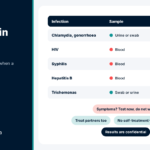
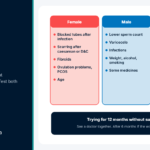
Chlamydia is one of the most common sexually transmitted infections in the world. Most people who have it feel completely well. Without testing, it can quietly damage the reproductive organs and cause infertility, especially in women. The good news is that chlamydia is easy to test for and cure with antibiotics. This guide explains chlamydia symptoms and treatment, how testing works and how to protect yourself and your partner.
What is chlamydia?
Chlamydia is caused by the bacterium Chlamydia trachomatis.It spreads through vaginal, anal and oral sex without a condom, and through sharing sex toys. A mother can also pass it to her baby during birth.
Chlamydia does not spread through kissing, hugging, sharing towels, toilet seats or swimming pools.
Why chlamydia is called a silent infection
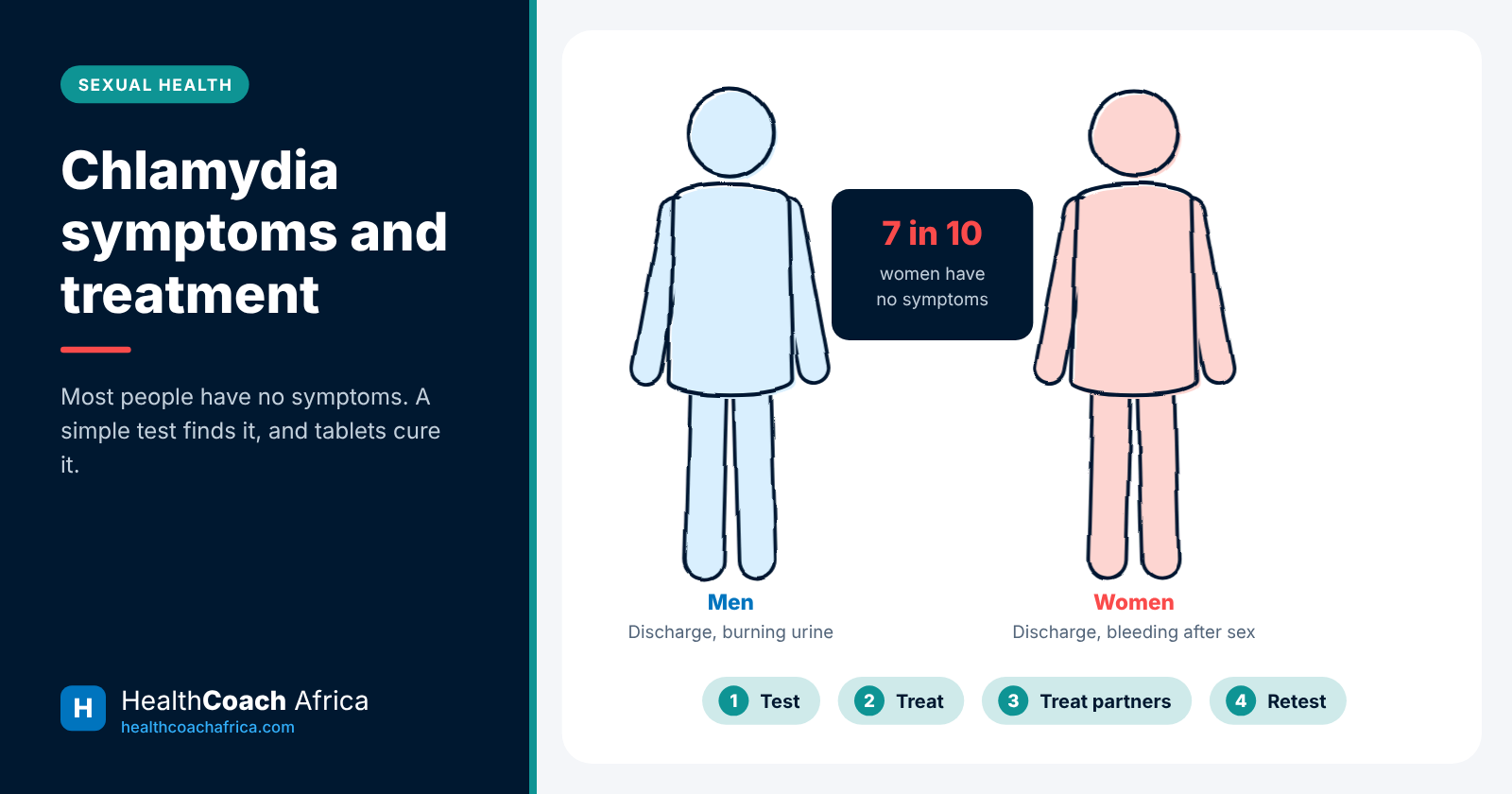
Around seven in ten women and half of men with chlamydia have no symptoms. They can still pass the infection on and develop complications. That is why regular testing matters if you are sexually active, especially with new or multiple partners.
Chlamydia symptoms in women
When symptoms appear, they may include:
Unusual vaginal discharge
Pain or burning when passing urine
Bleeding between periods or after sex
Pain during sex
Pain in the lower belly
Chlamydia symptoms in men
White, cloudy or watery discharge from the penis
Pain or burning when passing urine
Pain or swelling in the testicles
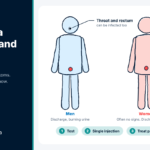
Infection in the rectum can cause pain, discharge or bleeding, but often causes no symptoms. Infection in the throat rarely causes symptoms.
Chlamydia symptoms and treatment in pregnancy
Pregnant women are often offered STI tests at antenatal visits. If chlamydia is found, it can be treated safely during pregnancy with antibiotics such as azithromycin or amoxicillin. Doxycycline is avoided. A repeat test is usually done a few weeks after treatment to confirm the infection has cleared. Treating chlamydia in pregnancy protects the baby from eye infections and pneumonia after birth.
Pelvic inflammatory disease: warning signs
Seek care promptly if you notice:
Pain in the lower belly or pelvis
Pain during sex
Fever
Unusual discharge
Bleeding between periods or after sex
PID needs a longer course of antibiotics, and sometimes hospital treatment. Early treatment lowers the risk of infertility and ectopic pregnancy.
Complications of untreated chlamydia
In women, chlamydia can spread to the womb and fallopian tubes, causing pelvic inflammatory disease (PID). PID can lead to:
Long-term pelvic pain
Blocked fallopian tubes
Ectopic pregnancy
Infertility
In men, chlamydia can cause painful inflammation of the testicles and may affect fertility. In both sexes, it can rarely cause reactive arthritis, with painful joints and eye inflammation.
In pregnancy, chlamydia can be passed to the baby, causing eye infections and pneumonia.
How chlamydia is tested
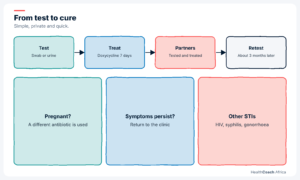
Steps from testing to cure in chlamydia symptoms and treatment, including partner care and retesting
Avoid sex until seven days after you and your partner finish treatment.
Testing is simple and painless:
Women: a vaginal swab, which you can often take yourself, or a urine sample
Men: a urine sample, ideally first thing in the morning or at least one hour after last passing urine
Rectal or throat swabs, if you have had anal or oral sex
The most accurate tests are called nucleic acid amplification tests, or NAATs. Results usually take a few days. Test about two weeks after possible exposure, because earlier tests can miss a new infection.
Chlamydia symptoms and treatment: the antibiotics
Chlamydia is cured with antibiotics. The most common treatment is doxycycline1 for seven days.Azithromycin may be used2 in some situations, such as pregnancy. Your health worker will choose the right medicine.
Important points:
Take every dose, even if you feel better
Avoid sex, including oral sex, until you and your partner have finished treatment and for seven days afterwards
Doxycycline can make your skin sensitive to the sun, so use sun protection
Take doxycycline with plenty of water, sitting upright, to avoid irritation of the food pipe
Doxycycline is not suitable in pregnancy
HUBPHARM PHARMACIST’S NOTE
Doxycycline works well, but it has to be taken properly: with a full glass of water, sitting upright, away from milk and iron, and with sun protection. Send your prescription to a HubPharm pharmacist and we will explain each step, deliver your treatment discreetly and send reminders for all seven days. We can also help your partner get treated at the same time without you having to explain everything yourself. Everything you tell us stays confidential.
Partner treatment
All sexual partners from the past six months should be tested and treated, even if they have no symptoms. Otherwise, you may be reinfected. Many clinics can help you notify partners confidentially.
Retesting
People under 25 who test positive are usually advised to retest about three months after treatment, because reinfection is common. Retest sooner if symptoms continue or you think you have been exposed again.
Chlamydia symptoms and treatment for young people
Young people under 25 have the highest rates of chlamydia. Many feel embarrassed to ask for a test or worry about being judged. Youth-friendly clinics, pharmacies and some online services offer confidential testing. Parents and teachers can help by talking openly about sexual health and making it clear that getting tested is a responsible choice.
Chlamydia and fertility checks
Couples having fertility tests are often screened for chlamydia, because past infection can damage the fallopian tubes without symptoms. A positive blood test for chlamydia antibodies suggests past infection and may prompt a test to check whether the tubes are open. Understanding chlamydia symptoms and treatment early protects fertility for the future.
Talking to a partner
Telling a partner can feel difficult. Keep it simple: explain that chlamydia is common, often has no symptoms and is easily cured. Encourage them to get tested and treated. Clinics can send an anonymous message to partners if you prefer not to tell them yourself.
Living without fear
A positive chlamydia test is not a judgement on your character. It is a common infection that is cured with a short course of tablets. Taking action protects your health and the health of the people you care about.
Who should be tested?
Consider a chlamydia test if you:
Are sexually active and under 25
Have a new sexual partner
Have more than one partner
Have symptoms of an STI
Have a partner with an STI
Are pregnant
Are having fertility tests
Many people combine a chlamydia test with tests for gonorrhoea, syphilis and HIV.
Prevention
Use condoms correctly every time3 you have sex
Use dental dams for oral sex where possible
Limit the number of sexual partners
Get tested regularly, and ask new partners to get tested too
Do not share sex toys, or cover them with a new condom each time
Myths about chlamydia
“If I had chlamydia, I would know.” Most people have no symptoms.
“Chlamydia goes away on its own.” It needs antibiotic treatment.
“You cannot get chlamydia from oral sex.” It can infect the throat.
“Once treated, I cannot catch it again.” You can be reinfected if exposed again.
Questions to ask at the clinic
Which tests do I need, and from which sites?
When will my results be ready?
How should I tell my partner?
When can I have sex again?
Do I need a retest?
These questions help you understand chlamydia symptoms and treatment fully and leave the clinic with a clear plan.
Testing as part of routine care
A chlamydia test can be part of a general health check, a pre-marriage check or antenatal care. Asking for one is a sign of responsibility, not suspicion. Some couples choose to test together before stopping condoms in a new relationship.
To order any of these, or to ask a pharmacist a question first, message HubPharm on WhatsApp or visit hubpharmafrica.com. Prescription medicines are supplied against a valid prescription.
Vaginal Yeast Infection Treatment: A Practical Guide… Vaginal yeast infection, often called thrush or candidiasis, is very common. Many women experience it at least once in their lives. It causes itching, soreness and discharge, and it can be very uncomfortable. It is…
Gonorrhoea Symptoms and Treatment: What You Need to Know Gonorrhoea is one of the most common sexually transmitted infections. It is caused by bacteria that infect the genitals, rectum and throat. Many people, especially women, have no symptoms and do not know they are…
STI Testing in Nigeria: A Confidential Guide to… Sexually transmitted infections, or STIs, are very common, and many cause no symptoms at all. That means you can have an infection, pass it on and develop complications without knowing. Testing is the only way…
Causes of Secondary Infertility: When the Second… Many couples assume that if they had one child easily, the next pregnancy will follow just as easily. When it does not, they can feel confused, frustrated and even guilty. Secondary infertility means difficulty getting…