LAGOS, NIGERIA, Nigeria contained its imported Ebola case without secondary transmission, but an eight-day delay before health authorities were alerted offers important Nigeria Ebola preparedness lessons for the next outbreak, a BusinessDay column published on 24 November argues.
“Nigeria has successfully contained its recent imported case of Bundibugyo virus disease,” wrote Sunday Ene-Ojo Atawodi in the Yaba School of Thought column. “The next test may begin in a crowded emergency ward or a rural clinic with one nurse on duty.”
The timeline behind the Nigeria Ebola preparedness lessons
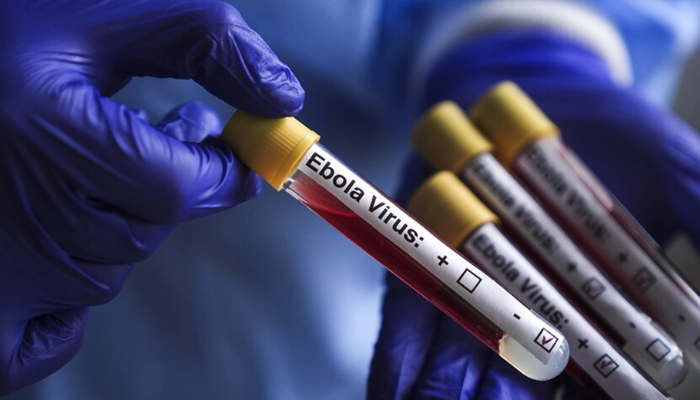
The patient arrived from Uganda on 3 October and developed symptoms four days later, but was initially treated for malaria, according to the column. She was admitted to a private hospital in Abuja on 11 October. The Nigeria Centre for Disease Control and Prevention (NCDC) was notified on 19 October, and the national laboratory confirmed the infection the next day.
The patient recovered after medical evacuation to Switzerland, and all 62 contacts completed 21-day monitoring without a confirmed infection.
The author argues that the case shows both strengths and weaknesses. Contact tracing and laboratory confirmation worked well once the alert was raised, but the time taken to suspect Ebola and notify authorities left a window in which the virus could have spread. These are central Nigeria Ebola preparedness lessons for hospitals and clinics.
The author argues that the eight-day gap between admission and notification exposed weaknesses in clinical risk assessment, travel-history screening and reporting by private facilities.
Comparisons with 2014
In 2014, Nigeria made about 19,000 contact-tracing home visits and traced 894 contacts, the column says. That outbreak, confined to Lagos and Port Harcourt, involved 19 laboratory-confirmed cases and one probable case. Senegal contained its 2014 imported case while monitoring 74 close contacts.
“Nigeria has demonstrated its ability to trace contacts,” the author wrote, but argued that detection must be faster.
The column notes that no vaccine or specific treatment is licensed for Bundibugyo virus. The Democratic Republic of Congo began a Bundibugyo vaccine trial in October, and Uganda launched a Sudan virus vaccine trial within four days of confirming its 2025 outbreak, the author wrote. A ring-vaccination trial in Guinea had earlier shown protection against Zaire ebolavirus.
As general background, ring vaccination involves vaccinating the contacts of confirmed patients and the contacts of those contacts, creating a protective ring around each case. It requires fast case detection and contact tracing to work, which is why preparedness and vaccines go together.
Recommendations
The author recommends a national reporting protocol for suspected priority diseases, round-the-clock reporting lines, daily follow-up of contacts throughout the 21-day period and unannounced drills to test hospitals’ readiness.
As general background, many Nigerians first seek care at private clinics, pharmacies or patent medicine stores, so these providers are often the first to see a patient with an unusual illness. Training them to ask about travel, recognise warning signs and report quickly is central to early detection.
The author also highlighted the role of round-the-clock reporting lines, since an alert raised at night or on a weekend can otherwise wait until the next working day. As general background, Nigeria’s NCDC operates a toll-free line, 6232, for reporting suspected outbreaks, but many private clinics are not routinely connected to state surveillance officers.
Applying these Nigeria Ebola preparedness lessons across thousands of facilities will require training, supervision and simple reporting tools.
Rewarding facilities that report quickly, rather than penalising them, can also encourage early alerts.
Fever is common in Nigeria and is often assumed to be malaria. The NCDC has urged health workers not to assume every fever is malaria, especially in patients who have recently travelled to areas with outbreaks.
As general background, simulation exercises and drills help health workers practise isolating a suspected patient, using protective equipment and calling the right authorities, so that procedures are familiar when a real case appears.
Why it matters now
The Ebola outbreak in the DRC remains uncontrolled, according to Africa CDC, and imported cases have already reached Kenya and Nigeria. The Nigeria Ebola preparedness lessons apply equally to Lassa fever, diphtheria, cholera and meningitis, all of which Nigeria faces this season.
Investment in health security, such as the World Bank support that HealthCoach Africa has covered, helps build laboratories and surveillance, but people and procedures at the front line determine how fast an outbreak is caught. HealthCoach Africa’s infections hub explains how infectious diseases spread.
Why it matters: Nigeria stopped Ebola this time, but an eight-day reporting delay shows how quickly a missed diagnosis could turn into an outbreak.
Nigeria Completes Ebola Contact Monitoring With No… ABUJA, NIGERIA — Nigeria has completed Nigeria Ebola contact monitoring for all 62 people linked to its imported case of Bundibugyo virus disease without recording a single secondary infection, the Nigeria Centre for Disease Control and…
Drug Manufacturing in Nigeria: Is the Executive… When the naira lost more than half its value in 2023 and 2024, Nigerians felt it at the pharmacy counter before they felt it almost anywhere else. Prices of common medicines climbed sharply because most…
CPHIA 2026 Delegates Call for Permanent Pandemic… ADDIS ABABA, ETHIOPIA, Speakers at the CPHIA 2026 conference in Addis Ababa have called for permanent pandemic preparedness Africa can sustain between outbreaks, rather than rebuilding emergency systems each time a new disease strikes, Africa…
Rwanda and Uganda to Hold Joint Health Emergency… GATUNA, RWANDA — Rwanda and Uganda will hold a Rwanda Uganda border simulation from 10 to 12 November to test how the two countries would respond together to a cross-border health emergency, Xinhua and Top Africa…