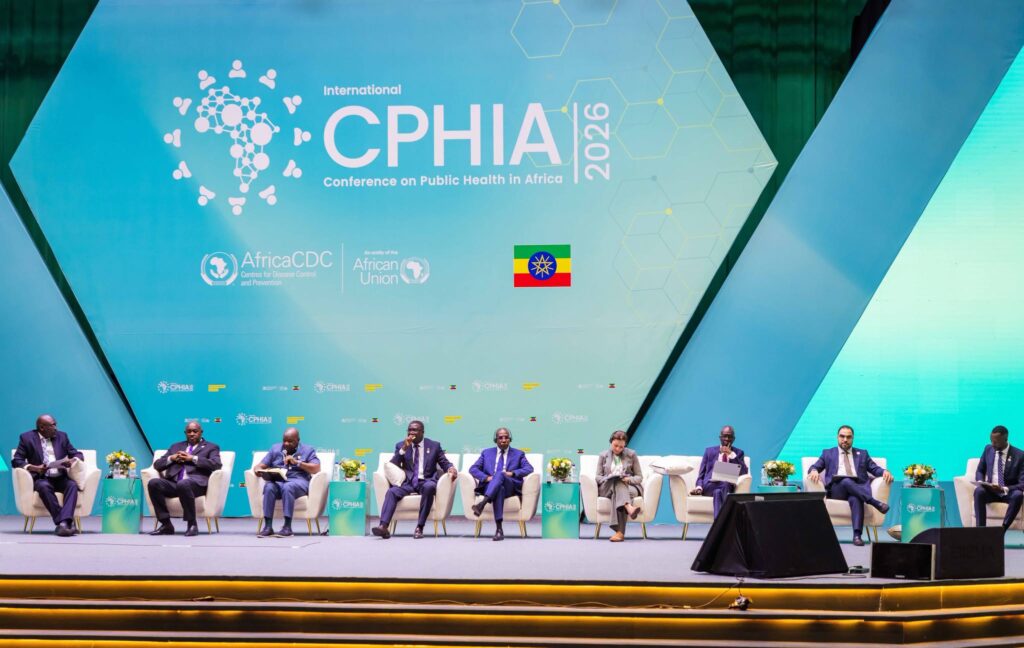
ADDIS ABABA, ETHIOPIA, Speakers at the CPHIA 2026 conference in Addis Ababa have called for permanent pandemic preparedness Africa can sustain between outbreaks, rather than rebuilding emergency systems each time a new disease strikes, Africa News Channel reported on 24 November.
“Pandemic preparedness cannot begin when an outbreak strikes. Africa must build its readiness before the next crisis,” the report said, summarising a high-level plenary titled “Institutionalisation of Continental Pandemic Preparedness, Prevention, and Response in Africa” held on Tuesday.
What permanent pandemic preparedness Africa needs
Speakers called for sustained financing, stronger national and continental public health institutions, regulatory cooperation and coordinated emergency response, according to the report. Attention also focused on vaccine manufacturing capacity, advance procurement agreements and getting emergency funds to frontline workers without delay.
“Africa cannot afford to rebuild its emergency response capacity every time a new disease threatens the continent,” the report said. It added that “sustainable financing emerged as a central requirement for institutionalising pandemic preparedness.”
The report cited lessons from COVID-19, mpox, Ebola, Marburg and cholera, and noted that Uganda launched a Sudan virus vaccine efficacy trial within four days of confirming its 2025 outbreak. It referred to the African Epidemics Fund and Africa CDC’s goal of producing at least 60 per cent of the continent’s vaccine needs locally by 2040. The report did not name individual speakers in the plenary.
The call for permanent pandemic preparedness Africa can sustain reflects frustration that emergency funding often arrives late and leaves when an outbreak ends. A 2026 study in The Lancet Global Health on institutionalising emergency preparedness was also cited in the report.
Maternal health roadmap and awards
The conference opened on 23 November with the launch of the African Union Champions’ Continental Roadmap on reproductive, maternal, newborn, child and adolescent health for 2026 to 2030, championed by Tanzanian President Samia Suluhu Hassan, HealthCare Middle East and Africa reported. Its three priorities are “zero home deliveries, zero preventable maternal and newborn deaths, and zero unvaccinated children.”
Hassan announced 60 scholarships in midwifery, anaesthesia, obstetrics and gynaecology, and neonatal care, and urged AU member states to appoint empowered national focal points for the roadmap, the report said.
AU Commission Chairperson Mahmoud Ali Youssouf urged governments to meet the Abuja Declaration target of spending at least 15 per cent of national budgets on health, according to the report. The conference is taking place “amid declining external health financing and persistent disease threats,” it said.
Ethiopian Prime Minister Abiy Ahmed promoted digital health at the opening, and Sierra Leone’s President Julius Maada Bio reported falls in maternal and child deaths, the report said. Presidential awards for health transformation went to the leaders of Burundi, Angola, Ghana, Namibia and Sierra Leone.
Dr Sania Nishtar of Gavi, Dr Richard Hatchett of CEPI and Dr Philippe Duneton of Unitaid received global health leadership awards, and Prof. Rose Gana Fomban Leke of the University of Yaoundé received the Distinguished Scientist Award, according to the report.
Why permanence matters
As general background, African countries have repeatedly built emergency structures during outbreaks, including isolation centres, laboratory networks and contact-tracing teams, only to see them weaken once donor funding ends. Permanent institutions, such as national public health institutes with stable budgets, trained staff and legal mandates, can respond faster and retain lessons.
Advance procurement agreements, under which countries or regional bodies commit in advance to buy vaccines or treatments if an outbreak occurs, can help Africa avoid being last in line, as happened during COVID-19. As general background, local manufacturing combined with such agreements is one of the strategies Africa CDC has promoted for permanent pandemic preparedness Africa can control.
The African Epidemics Fund, mentioned in the report, is designed to provide rapid financing when outbreaks begin, reducing delays in the first critical weeks.
Recent experience supports this. Kenya traced all 135 contacts of its Ebola cases and Nigeria monitored all 62 contacts of its imported case without secondary transmission, but a Nigerian commentator noted this week that an eight-day reporting delay exposed gaps in early detection.
The Ebola outbreak in the Democratic Republic of Congo remains uncontrolled, according to Africa CDC, underlining the need for preparedness across the region.
Investment in health security, including laboratories and surveillance, is covered in HealthCoach Africa’s reporting on World Bank support for health security. The conference runs until 27 November, and its commitments on permanent pandemic preparedness Africa can fund itself will be watched closely.
Why it matters: Rebuilding outbreak response from scratch each time costs lives, so permanent, funded institutions are Africa’s best defence against the next pandemic.
Africa’s Flagship Public Health Conference CPHIA… ADDIS ABABA, ETHIOPIA, The fifth International Conference on Public Health in Africa opened in Addis Ababa on Monday, 23 November, with CPHIA 2026 health sovereignty as its central theme, Fana Media Corporation reported, as African leaders…
Ethiopia Hosts First Global Emergency Medical Teams… ADDIS ABABA, ETHIOPIA — More than 800 participants from over 100 countries are gathering in Ethiopia from 3 to 5 November for the seventh global Emergency Medical Teams meeting, the first held in the World…
Nigeria Issues Addis Ababa Travel Advisory After 16… Nigeria’s Ministry of Foreign Affairs has issued an Addis Ababa travel advisory after at least 16 Nigerians died from complications linked to the Ethiopian capital’s high altitude, Premium Times reported on 14 November. The Addis…
Kenya Urges Institutions to Own Risks as US Health… NAIROBI, KENYA — Kenya’s Principal Secretary for Medical Services, Dr Ouma Oluga, has urged health institutions to take shared responsibility for implementing the Kenya US health cooperation framework as the government finalises the agreement, Citizen Digital…