The Nigeria Centre for Disease Control and Prevention (NCDC) alerts the public to 13 reported cases of Dengue fever in Sokoto state, emphasizing the urgent need for increased awareness and preventive measures.
In a recent update, the Nigeria Centre for Disease Control and Prevention (NCDC) has disclosed the occurrence of 13 cases of Dengue fever in Sokoto state. The revelation has sparked concerns over the low level of awareness about this mosquito-borne illness among Nigerians.
According to the official statement released on Monday, the NCDC reported a total of 64 suspected cases in three Local Government Areas (LGAs) in Sokoto state, with Sokoto South recording 60 cases, Wamako three cases, and Dange Shuni one case.

Dengue fever, caused by the Dengue virus (DENV), is a significant public health concern with a wide geographical spread. The NCDC highlights that DENV serotypes 1 and 2 were first reported in Africa in 1964 in Ibadan, Nigeria, originating from monkeys and later spilling over to humans approximately 800 years ago.
Nigeria, being the most populous country in Africa, faces the challenge of the Aedes aegypti mosquito, known to transmit Dengue, Zika, chikungunya, and West Nile viruses. The outbreak in Sokoto state was detected in November 2023, with no fatalities reported.
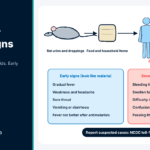
The majority of suspected cases fall within the age range of 21 to 40 years, and Dengue fever, transmitted through infected mosquito bites, manifests symptoms such as high fever, severe headaches, joint and muscle pains, nausea, vomiting, swollen glands, and rash. The NCDC urges vigilance, especially among those infected for the second time, as they are at greater risk of severe Dengue.
The NCDC-led multisectoral National Emerging Viral Haemorrhagic Diseases Technical Working Group (NEVHD TWG) is actively collaborating with partners and stakeholders to assess the risk level. The current risk level is deemed moderate, and the NCDC assures that the country has adequate in-country capacity for effective response, citing previous experiences with Ebola and Lassa fever outbreaks.
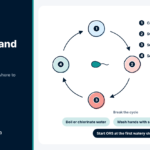
Dr. Gabriel Adakole, a public health expert, emphasizes the importance of prevention in reducing the risk of Dengue fever. He recommends measures such as using mosquito repellent, wearing long clothing, eliminating breeding sites, using mosquito nets, and staying informed through local health advisories. Dr. Adakole urges Nigerians to be aware of Dengue fever symptoms, seek prompt medical attention, and avoid self-medication. Staying informed about local outbreaks and following health guidelines are crucial for effective prevention and control.