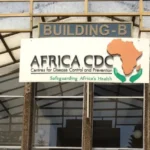
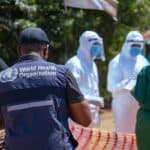
NAIROBI, KENYA — Investigations by Africa CDC reveal that Kenya’s first confirmed Ebola patient received multiple conflicting diagnoses and treatments across several health facilities in the Democratic Republic of the Congo (DRC) prior to his arrival in Nairobi. The 40-year-old Kenyan businessman traveled through three sovereign nations undetected over nearly six weeks before severe clinical symptoms led to his diagnosis at a private hospital, highlighting significant vulnerabilities in regional ebola response in kenya and cross-border biosecurity.
Speaking on the investigation, Dr. Wessam Mankoula, Head of Emergency Preparedness at Africa CDC, noted that the patient initially presented with non-specific symptoms, including a fever, skin rash, sore throat, and malaise. Early clinical assessments misattributed the illness to a bacterial staphylococcal infection, resulting in targeted antibiotic administration that delayed correct viral identification.
Clinical Metrics and Ebola Response in Kenya Readiness
Data released by global health organizations and the Ministry of Health outlines emergency equipment distributions and contact surveillance metrics:
Metric Category
National Metrics & Resource Deliverables
WHO Emergency Equipment
$70,000 worth of PPE, hazmat suits, test kits, and thermal sprayers
Verified Contact Cohort
122 to 127 contacts cataloged (108 under daily active quarantine)
Traveler Screening Scale
>665,000 international travelers screened at 26 primary points of entry
Index Patient Journey
3 countries crossed (DRC to Uganda by road, air travel to Nairobi)
System Mechanics and Cross-Border Diagnostic Protocols
To prevent secondary domestic transmission and strengthen rapid response mechanisms, public health authorities are deploying targeted measures for the ebola response in kenya:
Frontline Worker Protection: Distributing specialized personal protective equipment (PPE)—including isolation gowns, face shields, and infrared thermometers—to guarantee health worker biosecurity.
Travel History Triage: Requiring clinicians across all primary and tertiary health facilities to take comprehensive international travel histories for any patient presenting with unexplained fevers or skin lesions.
Thermal Screening Audit: Re-evaluating airport thermal scanner parameters to account for symptom-masking medications like antipyretics taken by traveling passengers.
Diagnostic Barriers, Health Worker Safety, and Regional Security
The index patient’s journey underscores a persistent challenge in controlling infectious disease outbreaks across Africa. Early symptoms of Bundibugyo ebolavirus closely resemble common endemic conditions such as malaria, typhoid, and severe staphylococcal infections. In settings lacking rapid point-of-care PCR diagnostics, clinicians frequently initiate empiric treatment for bacterial or parasitic diseases, creating missed opportunities for early isolation.
Furthermore, missed diagnoses put healthcare personnel at severe risk of nosocomial exposure. By the time the patient arrived at Nairobi Hospital with advanced hemorrhagic manifestations, multiple individuals and health workers across three countries had been exposed.With the 21-day incubation monitoring period ongoing for all verified contacts, health agencies emphasize that rapid laboratory access and strict infection prevention controls remain the primary defense against regional transmission.
Why It Matters: Weeks of misdiagnoses allowed an Ebola patient to cross international borders undetected; protecting healthcare workers with adequate gear and rapid diagnostic testing is essential to stopping further spread.
Nigeria Screens Travellers for Ebola as DR Congo… ABUJA, NIGERIA — Implementing strict nigeria ebola screening travel directives, health authorities now require passengers arriving from four countries with active virus transmission to complete an online health declaration and undergo 21 days of post-arrival…
Africa CDC Blames Global Neglect for Missing… ADDIS ABABA, ETHIOPIA — As africa cdc blames global neglect for the total absence of an approved commercial vaccine against the Bundibugyo ebolavirus strain, continental health leaders are urging African nations to urgently establish independent…
Diabetes in Nigeria: Why Blood Sugar Control Fails Diabetes in Nigeria does not usually fail in the clinic. Among people who reach a specialist and stay in care, control is often reasonable. It fails in the years before anyone tests you, and it…
DRC Ebola outbreak becomes deadliest on record as… Kinshasa, Democratic Republic of Congo The Ebola outbreak in eastern Democratic Republic of Congo has become the deadliest ever recorded, with 4,566 confirmed cases and 2,128 related deaths as of 11 August, according to surveillance…