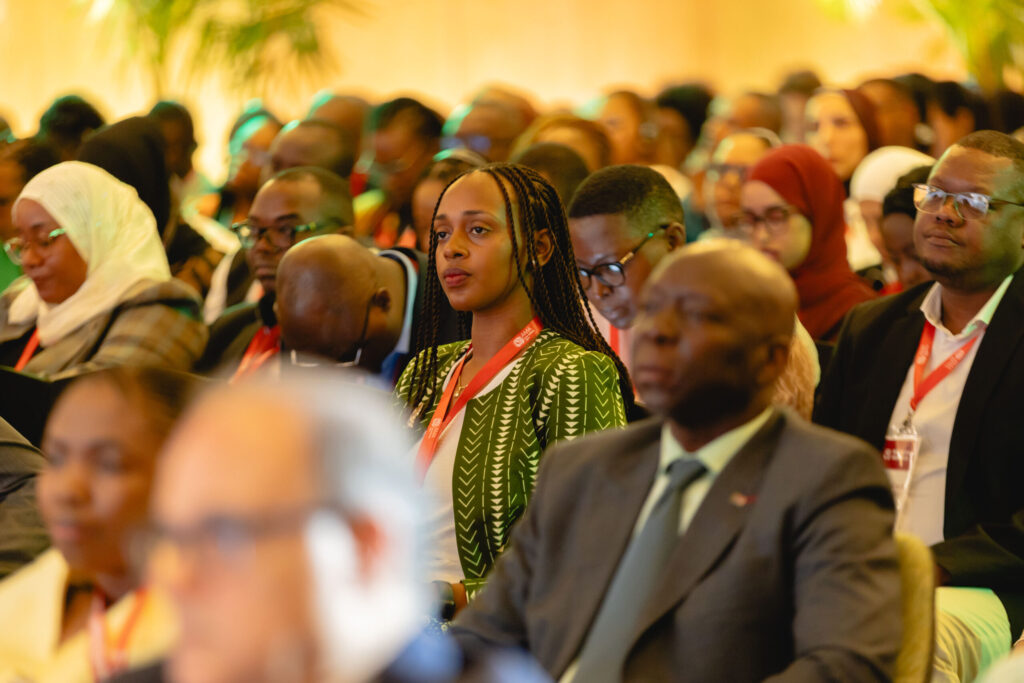
KIGALI, RWANDA — The African Medicines Agency (AMA) has launched two hubs in Kigali to help African countries make faster decisions on medicines and support local manufacturers, during its inaugural AMA Week. The African Medicines Agency hubs opened on Tuesday, 27 October, at the agency’s headquarters, The New Times reported.
The Capacity Strengthening Hub will identify skills gaps and coordinate training, mentoring, peer learning and professional attachments for regulators across Africa. It is designed to build on work by the World Health Organization (WHO), regional economic communities, national regulators and universities rather than duplicate it, so the African Medicines Agency hubs complement national regulators, drawing on regulators that have reached Maturity Level 3 under WHO’s Global Benchmarking Tool.
How the African Medicines Agency hubs will work
The Regulatory Innovation and Manufacturing Readiness Hub will engage manufacturers and innovators earlier in product development, offering scientific advice on meeting quality, safety and efficacy requirements before formal assessment. AMA’s early advice on an Ebola vaccine candidate being developed and manufactured in Egypt was cited as an example.
AMA Director-General Delese Mimi Darko said a shared system should allow countries to “share scientific work, make timely regulatory decisions”. She added: “Africa cannot continue to be primarily a destination for medical products developed and manufactured elsewhere.”
Michel Sidibé, the African Union Special Envoy for AMA, said the African Medicines Agency hubs would let the agency draw on expertise across the continent rather than concentrating activity in Kigali. He said some medicines wait “five, six years, when you have to navigate between 55 countries,” and that coordination could cut duplication, speed approvals and strengthen Africa’s bargaining power with suppliers.
The AMA was established by an African Union treaty to coordinate medicine regulation across member states. It does not replace national regulators such as Nigeria’s NAFDAC or Ghana’s Food and Drugs Authority, but is intended to pool expertise, support joint assessments and help harmonise standards so that a product reviewed once can move more easily across borders. Darko previously led Ghana’s Food and Drugs Authority.
A continent that imports most of its medicines
Africa imports more than 70 per cent of the medicines it uses and nearly all its vaccines, KT Press reported. A medicine approved in one country can still face separate reviews before reaching patients in another, adding cost and delay. “Fragmented national systems make it harder for locally manufactured products to reach patients across the continent,” Sidibé said.
Rwanda’s Minister of State for Health, Dr Yvan Butera, said: “Confidence in the quality and safety of the medicine is essential.” WHO Director-General Tedros Adhanom Ghebreyesus said WHO is working with AMA “to strengthen national regulatory authorities and advance regulatory convergence”.
Prof. Paul Lalvani, founder and Executive Director of the Empower School of Health, said success should be judged by local production. “The real metric is how self-reliant Africa is when it comes to local manufacturing of pharmaceuticals,” he said.
Lalvani said AMA could work with existing training institutions and regulatory networks, and that the agency and the African Continental Free Trade Area (AfCFTA) together could help accelerate local production. He compared the effort to football academies, arguing that sustained investment in people produces results over time. “You can build plants, which takes time, but building people and strengthening people takes even longer,” he said.
Sidibé urged African ownership of the new agency. “We need to fight to make sure that AMA becomes a structure which responds to the need of our people,” he said, according to KT Press.
For patients, faster and shared regulatory decisions could mean earlier access to new treatments and fewer substandard products. For African pharmacies and manufacturers, a single scientific review recognised across markets could make it easier to scale quality-assured medicines. AMA Week runs in Kigali until 30 October, and the agency has also named expert committees to strengthen drug regulation, The New Times reported on 29 October, although the full text of that report was not accessible at the time of compiling.
Much will depend on resources and trust. National regulators will need to accept the agency’s scientific work, manufacturers will need confidence that early advice leads to faster approvals, and member states will need to fund the African Medicines Agency hubs and committees over the long term. Delegates at AMA Week said building skilled people is the slowest and most important part of that task. For Rwanda, hosting the agency strengthens Kigali’s role as a centre for regulatory science and health diplomacy on the continent.
Why it matters: Shared regulation could cut years from approvals and help African-made medicines reach patients across borders, reducing dependence on imports.
Nigeria Bets on Specialised Health Universities to… AZARE, NIGERIA — The Federal Government of Nigeria is increasingly leaning on six specialized federal health universities to resolve severe workforce deficits, though critical bottlenecks in clinical accreditation, infrastructure funding, and medical brain drain threaten…
Duale Urges Faster Delivery of Ksh43.5 Billion World… NAIROBI, KENYA — Kenya’s Health Cabinet Secretary Aden Duale has called for faster implementation of two World Bank health projects worth about Ksh43.5 billion, to strengthen emergency response and the country’s Universal Health Coverage agenda,…
Nigeria Advances Pharmaceutical Regulation Strategy… LAGOS, NIGERIA — Nigeria is advancing a comprehensive national nigeria pharmaceutical regulation strategy focused on strengthening indigenous regulatory capacity to expand domestic drug production and ensure equitable medicine access for its 220 million citizens. Across…
Obasanjo, Abdulsalami, Others to Unveil Health Hub in Abuja Abuja, Nigeria – Former Nigerian presidents, including Olusegun Obasanjo and Abdulsalami Abubakar, alongside leading health experts, are set to unveil a state-of-the-art Health Hub in Abuja on September 2, 2025. The new facility, known as…