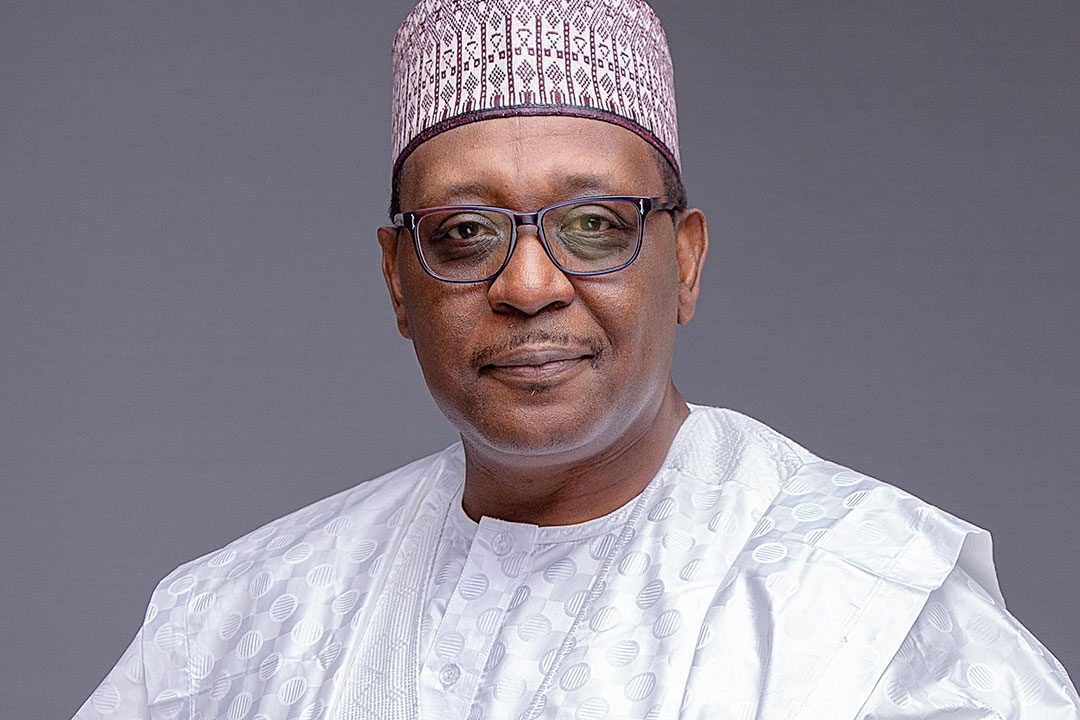
ABUJA, NIGERIA — Nigeria has released about N422.3 billion through the Basic Health Care Provision Fund (BHCPF) since 2019, including N249.5 billion disbursed under the current administration, Coordinating Minister of Health and Social Welfare Muhammad Pate said, Premium Times reported on 10 November.
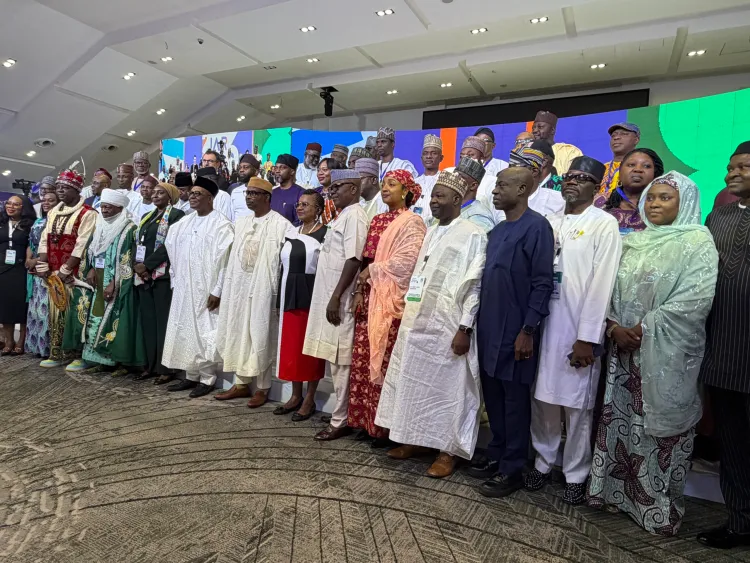
Pate gave the figures in his keynote address at the 2026 Nigeria Health Sector Joint Annual Review (JAR) in Abuja on Tuesday. Of the total released between 2019 and October 2026, N323.6 billion has been disbursed to implementing gateways, according to the report.
Where the Basic Health Care Provision money went
The Basic Health Care Provision Fund is Nigeria’s main mechanism for financing primary health care. It is funded by at least 1 per cent of the federal government’s Consolidated Revenue Fund and channels money through gateways, including the National Primary Health Care Development Agency and the National Health Insurance Authority, to primary health centres and insurance for vulnerable people.
Pate said 3,526 PHCs have been revitalised and work is ongoing at about 900 more. A total of 19,758 skilled birth attendants have been recruited across 22 states, 4,747 community health workers across 10 states, and 78,054 frontline health workers trained, Premium Times reported.
Skilled deliveries at BHCPF-supported facilities rose from 4.8 million in 2023 to 7.9 million by the second quarter of 2026. Fourth antenatal care visits rose from 6 million to 8.7 million, and outpatient attendance from 32.4 million to 43 million.
All states and more than 8,000 BHCPF-supported facilities prepared plans linked to budget priorities for the third consecutive year, he said.
Accountability and new money
The government has signed a memorandum of understanding with the Independent Corrupt Practices and Other Related Offences Commission (ICPC) to strengthen tracking of BHCPF resources, according to the report.
The government is also pursuing legislation to raise the Basic Health Care Provision Fund allocation to 2 per cent of the Consolidated Revenue Fund, and proposed excise reforms on sugar-sweetened beverages, with possible earmarking of the revenue for health care, were discussed.
“We cannot sustain ownership of our priorities without financing them,” Pate said. “We are strengthening the connection between planning, expenditure and the services people receive.”
Civil society and lawmakers respond
Muhammed Lecky, speaking for civil society organisations, called for transparent, timely financing, stronger community participation and independent monitoring. “A renovated facility is only a beginning. It must have the staff, medicines, power and systems needed to deliver care,” he said.
Ipalibo Banigo, Chairperson of the Senate Committee on Health, pledged legislative support through appropriations and oversight. “It is one thing to make provisions in the budget and another thing to get the funds released on time,” she said.
Their comments echo concerns raised by recent investigations into state-level PHC programmes, where renovated buildings lacked staff, water or power. Health financing experts say the fund’s impact depends not only on how much is released, but on how quickly it reaches facilities and whether managers can spend it on what patients need.
Doubling the Basic Health Care Provision allocation would significantly increase funding for primary care, but would require legislative approval and consistent releases. Pate acknowledged that financing remains a major challenge for the health sector.
The JAR aims to agree priorities for 2027, the final year of the current strategic blueprint. Publishing facility-level data on BHCPF spending and services would allow communities to see what the fund has delivered in their area.
The Basic Health Care Provision Fund was established under the National Health Act, 2014, but releases began only in 2018 and 2019 after years of delay. Since then, its design has been revised several times to channel more money directly to facilities and to link funding to performance.
Health facility managers often say that small, predictable quarterly payments make the biggest difference, because they can be used for cleaning, minor repairs, outreach and essential supplies. Delays in releases, by contrast, can leave clinics unable to pay casual staff or buy fuel for generators.
For patients, the Basic Health Care Provision Fund also finances a minimum package of services for vulnerable groups through state health insurance schemes, including antenatal care, deliveries and treatment for children under five.
Civil society groups have long argued that the Basic Health Care Provision Fund should publish quarterly data on releases to each state and facility, so that communities can compare funds received with services delivered. The new agreement with the ICPC is intended to strengthen that oversight.
Why it matters: BHCPF money pays for midwives, clinics and insurance for the poor, so timely release and tracking decide whether care improves.
Nigeria Says It Disbursed ₦249.6 Billion Health Fund… ABUJA, NIGERIA — Nigeria says it has disbursed ₦249.6 billion in primary health care funding through the Basic Health Care Provision Fund (BHCPF) over the past three years, and aims to extend direct financing to…
Nigeria Targets 90% Functional Health Centres and… ABUJA, NIGERIA — Nigeria aims to make at least 90 per cent of its primary health care centres (PHCs) functional and cover 40 per cent of Nigerians with health insurance by 2031, Minister of State…
Mental Health Challenges in Nigeria: Funding,… The World Health Organization (WHO) has consistently emphasized the critical importance of mental health, making it a global concern for the past three years through their World Mental Health Day themes. In 2021, the WHO…
Ali Pate: Reviving Nigeria's Health Sector A remarkable shift is set to reshape Nigeria's health sector as President Bola Tinubu unveiled the portfolios of 45 ministers, marking a crucial step towards rebuilding the nation's ailing health infrastructure. Leading this transformative endeavor…