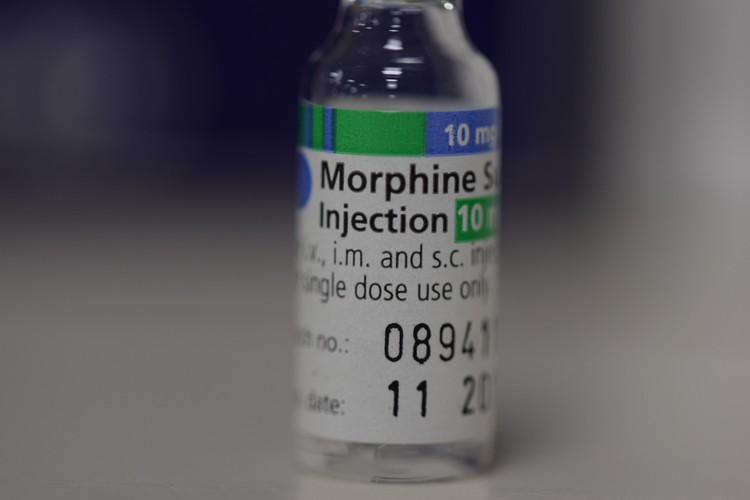
CAPE TOWN, SOUTH AFRICA — Structural supply failures, clinical hesitation, and acute specialist deficits leave hundreds of thousands of terminal pediatric patients suffering without basic pain management. A investigation published by GroundUp reveals that severe gaps in child palliative care morphine delivery leave children with life-limiting illnesses dying in agony across rural and urban healthcare facilities.
According to UNICEF and International Children’s Palliative Care Network figures, over 800,000 South African children live with life-limiting medical conditions annually. Yet, the national Department of Health employs only one specialist in pediatric palliative care for 10 hours a week, supported by just five pediatric hospices nationwide.
Pediatric Healthcare and Pain Relief Access Metrics
Gaps in child palliative care morphine access span workforce deficits, institutional resistance, and manufacturing bottlenecks:
Healthcare & Palliative Care Parameter
Statistical Indicator & National Scope
Annual Pediatric Burden
800,000+ children living with life-limiting illnesses
Pediatric Hospices & Specialists
5 hospices nationwide | 1 public specialist (10 hrs/week)
Uganda leads Africa via nurse-led morphine prescribing authority
Clinical and Structural Barriers to Child Palliative Care Morphine
Clinical reluctance remains an obstacle to effective pain management. Health workers frequently cite ungrounded fears of respiratory depression or addiction, refusing to administer prescribed liquid morphine to young children. Palliative specialists emphasize that oral liquid morphine—an inexpensive medication on the World Health Organization essential medicines list—has no maximum ceiling dose and must be titrated to match a child’s pain severity.
Beyond clinical hesitation, systemic supply chain breakdowns restrict access to child palliative care morphine:
Peripheral Supply Failures: While liquid morphine exists nationally, stockouts prevent distribution to primary rural health clinics.
Packaging Bottlenecks: Domestic manufacturers produce morphine in bulk sizes that community and hospital pharmacies cannot process safely.
An audit conducted under the WHO-led imPACT review highlighted South Africa’s public palliative care provision as inadequate. Regional benchmarks demonstrate that lower-income African nations achieve superior morphine coverage by expanding nurse prescribing rights and maintaining strong government commitments to early palliative integration. Addressing these structural barriers is critical to ensure that palliative care provides pain control and family support from diagnosis through end-of-life care.
Why It Matters: Morphine is cheap, safe, and essential; overcoming clinical fear and supply bottlenecks prevents terminal children from dying in unmanaged pain.
Western Cape Community Health Workers Take… CAPE TOWN, SOUTH AFRICA — Community health workers protest action in Cape Town has moved to the labour dispute body, with a union asking the Commission for Conciliation, Mediation and Arbitration (CCMA) to decide who…
Most South African Water Authorities Fail Drinking… CAPE TOWN, SOUTH AFRICA — More than half of South Africa’s water services authorities were rated bad or poor for municipal drinking water quality, or failed to submit required test results, according to a GroundUp…
Morphine Sulfate Oral Solution 10mg/5mL: Uses,… Classification: Prescription Opioid Analgesic Drug Managing severe pain requires clear understanding and precise administration of your medication. This comprehensive Morphine oral solution guide explains how this prescription drug works, proper dosing protocols, common side effects,…
Chronic Pain Management in African Women: A… Chronic pain, characterized by persistent discomfort lasting for more than three to six months, is a global health challenge that affects millions of individuals. In the context of Africa, chronic pain poses unique considerations, and…