ABUJA, NIGERIA — Non-communicable diseases (NCDs) now represent the fastest-growing segment of the national health crisis, Coordinating Minister of Health and Social Welfare Prof. Muhammad Ali Pate announced during a book unveiling hosted by the Health Sector Reform Foundation of Nigeria (HERFON). Highlighting a rapid demographic shift across the country, Minister Pate warned that conditions such as hypertension, type 2 diabetes, stroke, cardiovascular disease, sickle cell disorders, cancers, and chronic neurological conditions are surging due to changing dietary habits, urban lifestyles, and an aging population.
The publication, compiled by HERFON’s Health Review Series, draws on contributions from over 70 medical specialists across Africa, the Middle East, Europe, and North America. Board of Trustees Chairman Prof. Idris Muhammed noted that the comprehensive audit maps systemic policy failures while outlining actionable evidence-based strategies to curb chronic disease mortality.
National Health Benchmarks and Chronic Diseases in Nigeria
Disclosures presented by Ministry officials and HERFON trustees detail federal reform benchmarks and population screening milestones:
Indicator Category
National Health Reform & Policy Benchmarks
Population Screening Target
10 million citizens screened under the Know Your Numbers initiative
Federal Budget Allocation
Increased to 6% of national budget (up from 3%–4% in previous cycles)
Health Insurance Expansion
>7 million Nigerians enrolled into health insurance over three years
Frontline Health Workforce
~80,000 workers retrained; medical student admission quotas doubled
Technical Mechanics and Systems for Managing Chronic Diseases in Nigeria
To address the surging prevalence of chronic diseases in nigeria, the Federal Ministry of Health has introduced several structural interventions:
Medipool Group Purchasing Scheme: Implementing a centralized procurement model to aggregate pharmaceutical demand, lowering baseline retail prices for essential cardiovascular and anti-diabetic medicines at primary health centers.
MedServe Diagnostic Hubs: Completing ten state-of-the-art diagnostic centers equipped with MRI, CT imaging, and cardiac catheterization laboratories in partnership with the Nigeria Sovereign Investment Authority.
Community-Level Biomarker Screening: Executing mass screening for blood pressure, blood glucose, cholesterol levels, and prostate-specific antigens (PSA) through nationwide primary care drives.
Screening Bottlenecks, Treatment Loss, and Cardiovascular Risks
Despite screening 10 million Nigerians through the Know Your Numbers campaign, public health experts emphasize that diagnostic screening represents only the initial step in chronic disease management. A significant proportion of newly diagnosed patients drop out of care due to high out-of-pocket drug costs, pharmaceutical stockouts, or a lack of symptoms during early-stage hypertension and diabetes.
Uncontrolled blood pressure and unmanaged blood sugar remain the primary drivers of preventable strokes, ischemic heart disease, and end-stage renal failure across Nigeria. Treating acute vascular emergencies in tertiary ICU wards costs vastly more than providing daily, low-cost antihypertensive therapies at community clinics, placing severe financial strain on families and public health budgets.
State Financing, Primary Care Supply Chains, and Long-Term Policy
Sustaining chronic disease interventions requires active co-financing from state governments, which manage the vast majority of primary and secondary health centers nationwide.While federal authorities report parallel gains—such as a 22 percent drop in maternal deaths and a reduction of malaria incidence to 15 percent—maintaining continuity of care for NCDs remains the primary health system challenge.
Ensuring that group-purchasing schemes like Medipool reliably stock primary care shelves with affordable long-term medications is crucial. By pairing early diagnostic screening with guaranteed pharmaceutical access and nurse-led follow-up networks, Nigeria can prevent premature chronic disease mortality and protect household financial security.
Why It Matters: Screening millions for chronic conditions accomplishes little unless those diagnosed receive affordable daily medicines and uninterrupted clinical care to prevent fatal strokes and heart failure.
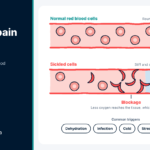
Sickle Cell Pain Crisis: Triggers, Home Care and Red Flags Nigeria has more people living with sickle cell disease than any other country, and about 150,000 babies are born with the condition here every year. For most of them, the defining experience is pain. A…
Nigeria Grapples with 30% of Global Malaria cases,… In a striking revelation, Nigeria's Health Minister has disclosed that the nation shoulders a staggering 30% of the global malaria burden. This dire situation underscores the pressing need for comprehensive measures to address health issues…
The Rise of Non-Communicable Diseases in Africa When people think of Africa’s health challenges, infectious diseases like malaria, HIV/AIDS, and tuberculosis often come to mind. Yet today, a quieter but equally dangerous health crisis is spreading across the continent: non-communicable diseases (NCDs).…
Health Reform Group to Launch Major Review of… ABUJA, NIGERIA — The Health Sector Reform Foundation of Nigeria (HERFON) will launch a landmark two-volume evidence review on October 15, addressing the escalating burden of chronic health conditions nationwide. Developed under the HERFON Health…