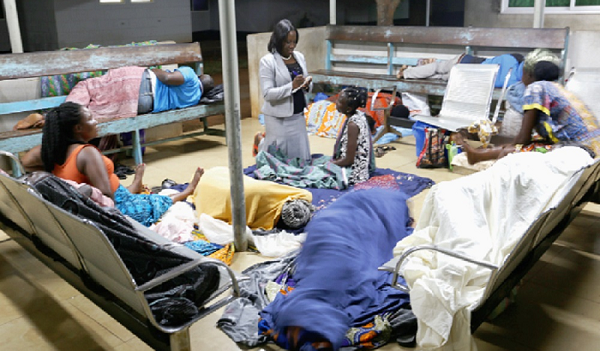
ACCRA, GHANA — In an effort to eliminate the persistent public health challenge known as “no bed syndrome,” Ghana has launched a pilot real-time digital management system to track emergency hospital beds. Managed from a central command centre at Ridge Hospital in Accra, the initiative aims to streamline emergency bed tracking in ghana across major regional and teaching facilities, ensuring critical care patients are directed immediately to available units.
Announced by Health Minister Kwabena Mintah Akandoh, the digital pilot allows health administrators to monitor hospital bed occupancy live. The initiative coincides with a sharp increase in National Health Insurance Scheme (NHIS) coverage, which has expanded to approximately 70 percent of the Ghanaian population.
Infrastructure Expansion and Emergency Bed Tracking in Ghana
Data provided by the Ministry of Health outlines current operational capacity alongside ongoing capital expansions to alleviate emergency bottlenecks:
Healthcare Sector
Capacity Metrics & Program Expansion
Command Centre Hub
Ridge Hospital (Accra) hosting real-time tracking dashboard for health leadership
Korle Bu Redevelopment
Construction underway on a 400-bed facility to expand emergency capacity
Active Ambulance Fleet
200+ ambulances insured and active; 100 additional vehicles planned for 2027
NHIS Scheme Growth
Population coverage expanded from 57% to ~70% in less than two years
Strategic System Mechanics for Emergency Bed Tracking in Ghana
To optimize patient transfer efficiency and prevent life-threatening delays during acute medical crises, health authorities are implementing target digital controls for emergency bed tracking in ghana:
Barcoded Bed Inventory: Barcoding emergency beds across pilot hospitals, enabling dedicated facility staff to enter live occupancy and discharge data.
Length-of-Stay Surveillance: Tracking patient stays in emergency wards, with automated administrative inquiries triggered if stays exceed 24 hours.
Unified Referral Coordination: Integrating real-time bed visibility with the national ambulance service to direct emergency transit to open facilities without inter-hospital shuttling.
Uncapped Health Insurance Funding and Care Access
The expansion of national emergency management is underpinned by significant financial reforms within the National Health Insurance Authority (NHIA). By removing the cap on the NHIS Levy, funding for the scheme rose from GH¢6.5 billion in 2024 to GH¢9.8 billion in 2025, enabling a 50 percent average increase in provider reimbursement rates and GH¢1.64 billion in claims paid in 2026.
Combining real-time digital logistics with reliable insurance coverage addresses the core pillars of emergency medicine—transport, facility admission, and financial clearance—reducing preventable mortality from strokes, cardiac events, trauma, and maternal emergencies.
Why It Matters: Real-time visibility into emergency bed availability helps eliminate inter-hospital rejections, saving critical minutes for stroke, trauma, and acute care patients across Ghana.
Mental Health Challenges in Nigeria: Funding,… The World Health Organization (WHO) has consistently emphasized the critical importance of mental health, making it a global concern for the past three years through their World Mental Health Day themes. In 2021, the WHO…
Kenya Traces All 122 Ebola Contacts, Moves to Create… NAIROBI, KENYA — Kenya's Ministry of Health has successfully identified, listed, and verified all 122 contacts linked to its first imported Ebola case, confirming that none have developed clinical symptoms to date as part of…
Ghana Health Service Launches National Bed Management Bureau ACCRA, GHANA — In a major structural overhaul of emergency admission procedures, the Ghana Health Service (GHS) has announced plans to launch a centralized ghana national bed management bureau. The digital platform is specifically designed…
Strategies to strengthen infrastructural development… Across the continent, health infrastructure is unevenly distributed, with major gaps in the coverage of rural areas and often of poor quality. A third of Africans live more than two hours away from health services,…