KUMASI, GHANA, Breast Care International (BCI) and US-based humanitarian organisation Direct Relief have provided a Ghana medical supplies donation valued at US$1.5 million to 80 health facilities across the country, MyJoyOnline reported on 20 November.
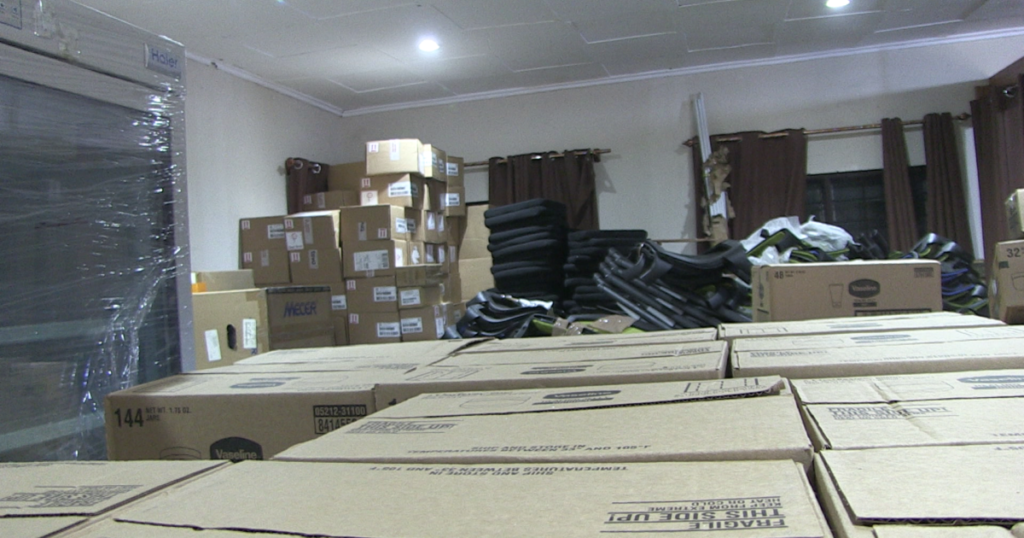
The items, including oral rehydration salts (ORS), petroleum jelly and protective face masks, were presented at Peace and Love Hospital in Oduom, in the Oforikrom Municipality of the Ashanti Region, the report said.
Who benefits from the Ghana medical supplies donation
BCI President Dr Beatrice Wiafe Addai said the supplies would go to patients who cannot afford them. “These donations are intended for patients who genuinely need the items but cannot afford to purchase them,” she said.
Oral rehydration salts are used to treat dehydration, especially from diarrhoea, while the masks can also protect people who spray insecticides or handle chemicals, she said.
Nana Achiaa Dankwaah II, Asante Mampong Nwaadan Obaapanin and Mampong Sanaahene, received supplies for Mampong Hospital for the Mampong Traditional Council’s Mother and Child Unit project, representing the Mamponghene, the report said. She appealed for more cancer care equipment, saying “there is still a significant need for appropriate medical equipment.”
Vida Nsiah-Asantewaa, manager of Ama Dansowaah Hospital, said the facility has received Direct Relief donations for several years. “The items donated to us are distributed to patients free of charge, without requiring them to make any payment,” she said.
The Ghana medical supplies donation is part of a longer partnership between BCI and Direct Relief, which supplies medicines and equipment to health facilities in many countries.
Representatives of beneficiary facilities, including Mampong Hospital and Ama Dansowaah Hospital, attended the handover in Oduom, the report said. As general background, donated consumables can free up limited hospital budgets for other essential medicines and equipment.
Port charges a barrier
Wiafe Addai said duties and other port charges on donated consignments were a major obstacle that limits how much BCI can bring into the country. “We are yet to overcome the challenges associated with duties and other charges at the ports,” she said.
As general background, health charities across Africa have long called for faster clearance and waivers on donated medical goods, arguing that charges reduce the value that reaches patients. Ghana’s opposition NPP candidate Mahamudu Bawumia pledged last week to abolish import duties on health equipment, while the government has its own policies on exemptions for health goods.
Why basic supplies matter
As general background, oral rehydration salts are one of the most cost-effective treatments in medicine. A simple mixture of salts and sugar dissolved in clean water can prevent death from dehydration caused by diarrhoea, which remains a leading cause of death among young children in Africa. Diarrhoeal disease is closely linked to unsafe water, poor sanitation and hygiene, as HealthCoach Africa has reported on water, sanitation and hygiene in Africa.
The Ghana Health Service warned last week that El Nino conditions could bring flooding to parts of southern Ghana, increasing the risk of waterborne diseases, as well as heat and dehydration in the north. Supplies such as ORS are useful in both situations.
Petroleum jelly is widely used for skin care, including for patients with dry or damaged skin, and to protect skin during some medical treatments.
Protective masks help health workers and caregivers reduce exposure to infections and dust, particularly during the harmattan season, when dry, dusty winds blow across much of Ghana.
Breast cancer focus
BCI, founded by Wiafe Addai, is best known for breast cancer awareness, screening and support in Ghana. As general background, breast cancer is the most common cancer among Ghanaian women, and many are diagnosed at a late stage, when treatment is more difficult and expensive. Appeals for more cancer equipment from beneficiary hospitals reflect wider gaps in diagnosis and treatment outside major cities.
As general background, mammography machines, biopsy services and pathology laboratories are concentrated in large hospitals, so women in smaller towns often travel long distances for diagnosis. The Ghana medical supplies donation does not address those gaps directly, but highlights the role of charities in supporting facilities.
The Ghana medical supplies donation will reach patients in facilities across the country, the report said, though the full list of the 80 beneficiary facilities was not published.
Donations can fill urgent gaps, but health advocates say sustainable supply of essential medicines and consumables depends on adequate public funding, efficient procurement and timely payments to facilities.
Why it matters: Basic supplies like oral rehydration salts save lives, and lower port charges would let charities bring more aid to patients who cannot pay.
Cholera Symptoms and Prevention: Protecting Your… Cholera outbreaks hit Nigeria almost every year, especially during the rainy season, when floods mix sewage with drinking water. Cholera can kill a healthy adult within hours through severe dehydration. Yet most deaths are preventable…
Cholera Symptoms and Prevention: A Practical Guide… ARTICLE TEXT Cholera outbreaks occur in Nigeria almost every year, often during the rainy season when floods contaminate wells and boreholes. Cholera can kill within hours if dehydration is not treated. Yet it is easy…
Ashanti Builds 96 Health Facilities as KATH Starts… KUMASI, GHANA — The Ashanti Regional Coordinating Council has announced that 96 health facilities are currently under construction across the region, while Komfo Anokye Teaching Hospital (KATH) in Kumasi has broken ground on a dedicated…
Breast Cancer Screening in Nigeria: Where to Go and Costs Breast cancer screening in Nigeria confuses people for a simple reason: nobody tells you which test you need. A woman of 32 asks for a mammogram and is told she does not need one. A…