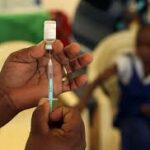
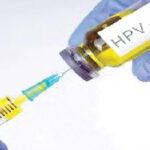
ACCRA, GHANA — The Ghana Health Service (GHS), in direct collaboration with the Ghana Education Service (GES), has launched a nationwide school-based campaign providing the hpv vaccine in ghana to protect young girls aged 9 to 14 against human papillomavirus (HPV), the leading cause of cervical cancer. Signed by GHS Director General Dr. Samuel Kaba Akoriyea, official statements confirm that mobile clinical teams are visiting primary and junior high schools across all regions to immunize eligible students who missed routine doses.
Executed through the School Health Education Programme (SHEP), the exercise forms part of two designated rounds under the Periodic Intensification of Routine Immunisation (PIRI). The initial rollout phase runs from October 19 to October 23, 2026, while the second follow-up round is scheduled from November 30 to December 4, 2026.
Immunisation Benchmarks and HPV Vaccine in Ghana
Data released by the Ghana Health Service and public health partners outline the operational parameters of the national campaign:
Campaign Benchmark Category
National Immunisation Parameters
Primary Target Demographic
Girls aged 9 to 14 years enrolled in primary and secondary schools
PIRI Round 1 Schedule
19 to 23 October 2026 (Nationwide mobile school visits)
PIRI Round 2 Schedule
30 November to 4 December 2026 (Follow-up catch-up window)
Primary Disease Target
Cervical cancer and persistent high-risk HPV oncogenic strains
Technical Mechanics of Human Papillomavirus and Single-Dose Efficacy
Understanding why early administration of the hpv vaccine in ghana is critical highlights key immunological protection mechanisms:
Oncogenic Viral Prevention: Persistent infection with high-risk HPV genotypes (primarily strains 16 and 18) causes almost all cervical cancer cases, making pre-exposure vaccination before sexual debut nearly 100 percent effective against vaccine-targeted strains.
WHO Single-Dose Protocol: World Health Organization guidelines confirm that a single dose of the HPV vaccine provides robust, long-lasting immunity for adolescents aged 9 to 14, streamlining field logistics and lowering procurement barriers.
Impact on Secondary Malignancies: Beyond cervical malignancies, routine HPV vaccination protects against secondary HPV-related conditions, including vulvar, vaginal, anal, and oropharyngeal cancers.
Continental Precedents, Vaccine Misinformation, and Stakeholder Engagement
Cervical cancer remains one of the leading causes of cancer mortality among women across Sub-Saharan Africa. However, international evidence demonstrates that school-based vaccination drives produce dramatic population-level reductions. In South Africa, HPV prevalence dropped by 83 percent among vaccine-eligible cohorts, while Rwanda has achieved over 90 percent coverage and is on track to eliminate cervical cancer as a public health threat by 2027.
Addressing vaccine hesitancy remains a central component of Ghana’s strategy. Unfounded rumors alleging that the vaccine induces future infertility or encourages early sexual activity have historically hindered uptake in rural districts. To build public trust, the GHS is actively engaging parents, guardians, teachers, traditional rulers, and religious leaders to deliver accurate, science-based health information through school health committees.
Comprehensive Cancer Control, Adult Screening, and Health System Alignment
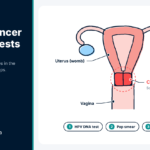
Public health experts emphasize that while adolescent vaccination protects future generations, adult cervical cancer screening must continue in parallel. Unvaccinated women require regular screening—using Visual Inspection with Acetic Acid (VIA), Pap smears, or high-risk HPV DNA testing—to identify and treat precancerous lesions before invasive disease develops.
Following the successful execution of last week’s reactive yellow fever vaccination drive in the Upper West Region, this school-based campaign reinforces Ghana’s broader public health commitment to closing routine immunisation gaps. Protecting young girls today establishes a resilient foundation for long-term maternal and women’s health across the nation.
Why It Matters: Administering the HPV vaccine to young girls today provides lifelong protection, preventing thousands of future cervical cancer deaths among Ghanaian women.
Understanding Human Papillomavirus (HPV) and Its… Human Papilloma Virus (HPV) is a significant public health concern among young girls in Nigeria. The rising cases of HPV infection and cervical cancer in the country are alarming, highlighting the urgent need for awareness,…
Cervical Cancer Screening Tests: A Clear Guide for… Cervical cancer is the second most common cancer among Nigerian women, with about 14,000 new cases and more than 7,000 deaths recorded each year. Almost all of those deaths are avoidable. Cervical cancer screening tests…
Savannah Region Targets Unvaccinated Girls DAMONGO, GHANA — Health authorities in Ghana’s Savannah Region have deployed mobile immunization teams across all seven districts in a five-day mop-up campaign aiming to reach 6,668 eligible girls who missed the human papillomavirus (HPV)…
Federal Government Launches Pioneering Cervical… In a historic move to combat cervical cancer, the Federal Government has integrated the Human Papillomavirus (HPV) vaccine into the routine immunization system, aiming to safeguard the health of millions of young girls. read on…