PRETORIA, SOUTH AFRICA — South Africa has confirmed four new laboratory-tested infections, bringing the total number of south africa mpox cases to 22. According to an official update released by the National Department of Health, the outbreak remains concentrated primarily in the Western Cape, which currently accounts for 18 of the total confirmed cases across the country.
The remaining cases are distributed across Gauteng, which has recorded three cases, and KwaZulu-Natal, which has logged one. Epidemiological data indicates that 21 of the 22 patients are male. Recent cases highlight clear international travel links, including a 47-year-old Cape Town resident who recently returned from Spain, along with two imported cases involving German and Norwegian nationals.
Regional Distribution & Epidemiological Profile
The geographic spread and clinical profile of the current mpox cluster include:
Geographic Province
Confirmed Cases
Epidemiological Notes
Western Cape
18 Cases
Primary regional cluster with travel-related links
Gauteng
3 Cases
Holds local stock of 586 mpox vaccine doses
KwaZulu-Natal
1 Case
Isolated case under active contact tracing
Demographic Breakdown
21 Males / 1 Female
Patterns mirror international transmission clusters
Health Department Response to South Africa Mpox Cases
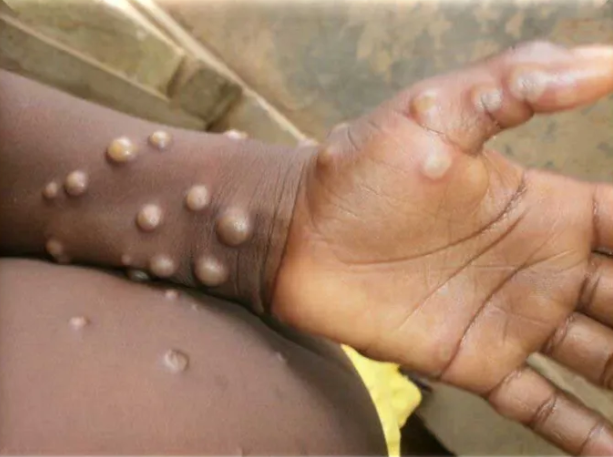
Managing the spread of south africa mpox cases relies on aggressive contact tracing and public awareness. Health Ministry spokespersons Foster Mohale and Sello Lediga advised anyone experiencing symptoms within 21 days of exposure to seek immediate care. Common symptoms include high fever, severe headaches, muscle aches, fatigue, and distinct skin lesions across affected areas.
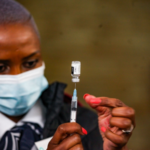
Department officials, alongside the National Institute for Communicable Diseases (NICD) and the World Health Organization, continue monitoring potential community spread. A critical operational factor is the limited vaccine supply, with Gauteng reporting 586 available doses. Health authorities are assessing strategic dose allocation across provinces to ensure close contacts of confirmed cases and high-risk groups receive targeted immunization to halt further transmission.
Why It Matters: Determining whether new cases are traced contacts or unlinked infections will reveal if South Africa’s contact tracing is successfully containing the cluster.
South Africa Issues Alert Over Rapid Increase in Mpox Cases PRETORIA, SOUTH AFRICA — The South African Department of Health has issued an urgent public health advisory following a rapid increase in confirmed mpox cases across key urban hubs. Spurred by the south africa mpox…
University of Pretoria Mastercard Foundation… The University of Pretoria Mastercard Foundation Scholars Program represents one of the most comprehensive equity-driven funding mechanisms on the African continent. Explicitly designed to dismantle structural barriers in higher education, the program prioritizes academically gifted…
Gauteng Admits Medicine Shortages as Chronic… JOHANNESBURG, SOUTH AFRICA — Gauteng’s Department of Health has formally acknowledged supply chain disruptions affecting public healthcare facilities across the province, following reports of chronic patients going without critical treatments. Addressing public concerns, health officials…
WHO Documents 1,153 Mpox Cases Across 11 African Nations GENEVA, SWITZERLAND — The World Health Organization documented 1,153 confirmed Mpox cases with 7 deaths across 11 African nations during a six-week surveillance period ending August 16, 2026, driving a coordinated mpox outbreak response across…