GENEVA, SWITZERLAND — The World Health Organization documented 1,153 confirmed Mpox cases with 7 deaths across 11 African nations during a six-week surveillance period ending August 16, 2026, driving a coordinated mpox outbreak response across the continent. Madagascar has emerged as the principal epicenter of the resurgence, recording 785 confirmed cases—representing approximately 68 percent of total cases across Africa. It is followed by Angola with 184 cases, Kenya with 94 cases, and the Democratic Republic of Congo with 41 cases. Additional affected territories include Cameroon, Namibia, South Africa, Central African Republic, Burundi, Nigeria, and Reunion.
The epidemiological data reveals concerning dynamics: weekly case counts remain steady at approximately 200 cases per week, reflecting sustained transmission patterns. The broader continental context indicates that since January 2025, African nations have logged over 52,000 Mpox cases across 35 countries, requiring expanded international surveillance and resource coordination across active transmission corridors.
Key Operational Targets and Strategic Response Framework
Health authorities across affected regions are intensifying surveillance protocols, expanding laboratory confirmation capacity, and strengthening epidemiological contact tracing to map transmission pathways:
Operational Pillar
Key Strategy & Governance
Systemic Impact & Scope
Surveillance & Contact Tracing
Real-time case tracking & rapid lab confirmation
Early containment of active transmission chains
Cross-Border Coordination
AU & WHO regional surveillance integration
Mitigation of population movement risk corridors
Vaccine Deployment & Allocation
Targeted immunization for high-risk cohorts
Strategic protection for frontline healthcare workers
Healthcare Facility Readiness
Isolation protocol enforcement & PPE distribution
Prevention of nosocomial & healthcare worker infection
How Mpox Outbreak Response Drives Continental Health Preparedness
Madagascar’s large outbreak represents a critical focal point for intervention, prompting international technical assistance deployments and enhanced coordination among the WHO, African Union, national health ministries, and regional surveillance networks. Cross-border population movements—particularly in East Africa’s complex transportation corridors and Central Africa’s refugee populations—facilitate rapid geographic expansion whenever detection delays allow intermediate transmission.
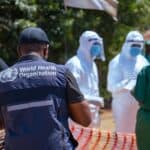
Healthcare facility preparedness remains a top priority across national health systems. African health ministries are actively implementing strict patient isolation protocols, distributing personal protective equipment, and conducting healthcare worker training programs to minimize occupational exposure during clinical care. The WHO emphasizes that sustained funding commitments, diagnostic capacity strengthening, and continuous workforce training represent essential components of effective continental response.
Vaccination strategies vary across jurisdictions based on available vaccine supplies and prioritization of high-risk populations, including healthcare workers, contacts of confirmed cases, and vulnerable community cohorts. While international pharmaceutical companies are scaling up vaccine production to meet African demand, persistent supply chain challenges and regulatory approval timelines continue limiting rapid deployment. Regional coordination through the African Union’s disease surveillance platforms enables real-time information sharing, expert consultation networks, and technical resource mobilization during active outbreak responses.
A unified mpox outbreak response strategy relies heavily on public communication campaigns across affected nations to reinforce preventative measures, including hygiene practices, contact avoidance during symptomatic periods, and prompt healthcare-seeking behavior for suspected cases. World health authorities reinforce that sustained international attention and resource commitment remain necessary to prevent the escalation of African Mpox outbreaks into global crises requiring emergency declarations.
Why It Matters: Sustained Mpox transmission across African nations threatens global health security, requiring coordinated continental response and international resource mobilization.
Africa in the Midst of 125 Disease Outbreaks, WHO Warns Senior WHO Adviser Reveals Challenging Health Landscape Across African Region In a concerning revelation, Dr. Hendrick Ormel, Senior Adviser of the World Health Organization Global Joint External Evaluation Secretariat, has disclosed that Africa is currently…
Diphtheria outbreak resurfaces in Nigeria, spreading… Nigeria is grappling with a resurgence of diphtheria, marking a second wave of this contagious disease. This recurrence comes after an initial outbreak that spanned from epidemiological week 52 in 2022 through May 2023. According…
DRC Ebola outbreak becomes deadliest on record as… Kinshasa, Democratic Republic of Congo The Ebola outbreak in eastern Democratic Republic of Congo has become the deadliest ever recorded, with 4,566 confirmed cases and 2,128 related deaths as of 11 August, according to surveillance…
Ebola Outbreak in DR Congo Passes 4,600 Cases, WHO Says KINSHASA, DEMOCRATIC REPUBLIC OF CONGO The Bundibugyo virus disease outbreak in the Democratic Republic of Congo had reached 4,665 confirmed cases and 2,184 deaths as of August 12, the World Health Organisation said, in what…