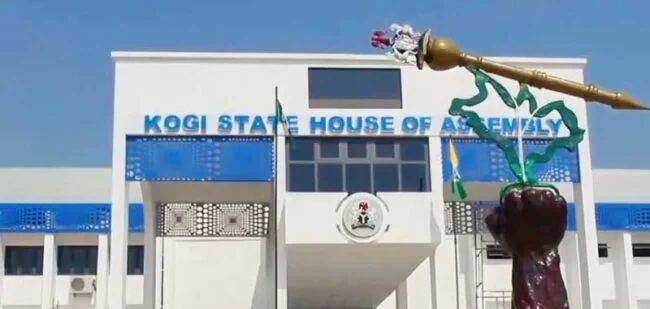
The Kogi State House of Assembly has ordered an investigation into an alleged Kogi hospital oxygen shortage at the intensive care unit (ICU) of the Kogi State Specialist Hospital, Lokoja, following the death of a patient, Tribune Online reported.
The patient, Engineer Hassan Musa, was admitted to the emergency unit on Sunday, 1 November, moved to the ICU that night and allegedly needed medical oxygen, according to the report. He died the following morning.
What lawmakers allege about the Kogi hospital oxygen shortage
Hon. Lawal Akus, who represents Ankpa I State Constituency, raised the matter as a motion of urgent public importance at a Wednesday sitting. He alleged that oxygen was unavailable in the ICU and that family members could not obtain it from a private supplier in Felele, Lokoja.
Hon. Bin Ebaiya Shehu-Tijani of Lokoja I State Constituency supported the motion and recalled an earlier incident in which a road accident victim faced a shortage of bed space, which was resolved after the Chief Medical Director intervened. Hon. Jibril Abu of Ajaokuta State Constituency also backed the motion and called for a comprehensive investigation.
Tribune reported the House’s position that “medical oxygen was an indispensable life-saving resource that should never be unavailable in a specialist hospital.”
The scope of the probe
Speaker Aliyu Umar Yusuf directed that the probe should also cover other reported cases of poor emergency response. The House resolved to summon the hospital’s Chief Medical Director and the Commissioner for Health before the Standing Committee on Health and Social Services.
The committee will examine procurement, supply, storage, distribution and inventory records for medical oxygen and other consumables, according to the report.
The hospital and the state Ministry of Health had not publicly responded to the allegations in the report.
Families of critically ill patients in Nigeria are sometimes asked to buy oxygen, drugs or consumables themselves when hospital stocks run out. In emergencies, this can lead to fatal delays, especially at night, when private suppliers may be closed or far away.
Lawmakers said the probe would examine whether the Kogi hospital oxygen shortage was caused by funding problems, procurement delays, poor stock monitoring or breakdowns in equipment, and who was responsible for ensuring supply.
The committee is expected to report its findings to the full House, which may recommend sanctions, changes in procurement or additional funding for critical supplies at the hospital.
Why oxygen is essential medicine
Medical oxygen is on WHO’s list of essential medicines. It is needed for patients with severe pneumonia, heart and lung disease, trauma, complications of childbirth, newborns with breathing difficulties and anyone undergoing surgery under anaesthesia. In an ICU, a gap in oxygen supply can be fatal within minutes.
Hospitals obtain oxygen from cylinders delivered by suppliers, oxygen concentrators that extract oxygen from air, or on-site plants that pipe oxygen to wards. Each requires reliable power, maintenance, trained staff and a system to track stock and order early.
The COVID-19 pandemic exposed severe oxygen shortages across Africa, leading to investment in oxygen plants, including in Nigeria. However, many facilities still struggle with broken plants, unpaid supply bills and power cuts that stop concentrators from working.
Pulse oximeters, small devices that measure oxygen levels in the blood, help clinicians identify which patients need oxygen and how much. Combining oximeters with reliable oxygen supply is one of the most cost-effective ways to reduce deaths from pneumonia, especially among children.
Hospitals can reduce the risk of running out by keeping a minimum reserve of cylinders, using stock alerts, maintaining backup power for concentrators and having clear agreements with suppliers for emergency deliveries.
Federal officials said this week that medical oxygen is among the products now produced in newly commissioned factories under Nigeria’s health industrialisation programme.
Emergency care under scrutiny
The Kogi case comes amid national debate about emergency care. The Senate and House of Representatives are considering bills to penalise hospitals that delay emergency treatment, while doctors argue that shortages of oxygen, beds and staff, rather than unwillingness, often cause delays. Patient safety in emergency care depends on both accountability and resources.
A recent Premium Times investigation also raised questions about Kogi’s N7 billion primary health care upgrade programme, adding to scrutiny of health spending in the state.
The committee’s findings on the Kogi hospital oxygen shortage could show whether the problem was a one-off failure or part of a wider supply weakness, and what changes are needed to prevent further deaths.
Why it matters: No ICU can save lives without oxygen, and reliable supply, tracking and power are basic requirements of emergency care.
Kogi’s N7bn PHC Upgrade Leaves Clinics Locked,… LOKOJA, NIGERIA — A Premium Times Kogi PHC upgrade investigation has found primary health centres that were locked, unfinished or without staff, months after Kogi State announced a N7 billion programme to revitalise its clinics,…
Kogi Begins Distributing 3.8 Million Mosquito Nets… LOKOJA, NIGERIA — Kogi State has launched Kogi mosquito net distribution of 3,810,985 insecticide-treated nets (ITNs) to 1,130,935 households across all 21 local government areas, and Malaria Consortium has named the state’s First Lady as…
South Africa Asks SIU to Probe R182 Million NHI… PRETORIA, SOUTH AFRICA — Escalating public debate surrounding public health governance, south africa probes nhi advertising contracts following serious allegations that funds intended for HIV, tuberculosis, and child nutrition were redirected to pay for National…
Edo deputy governor prepays NHIA cover for 4,000… NHIA health insurance in Edo State has expanded to cover 4,000 residents of the Ovia Federal Constituency following a fully funded scheme sponsored by Deputy Governor Dennis Idahosa. Announced on August 7, the initiative prepays…