LAGOS, NIGERIA — Nigeria’s National Agency for Food and Drug Administration and Control (NAFDAC) formally inaugurated 600 professional pharmacists into its Pharmacists Reserve Volunteer Program on 14 September 2026. The NAFDAC pharmacists reserve force expands regulatory field capacity to systematically combat substandard and falsified medicines across the nation’s complex pharmaceutical supply chain.
The 600 volunteers were selected from all 36 states and the Federal Capital Territory, ensuring balanced state-level representation across Nigeria’s six geopolitical zones.
Deploying the NAFDAC Pharmacists Reserve Force Across States
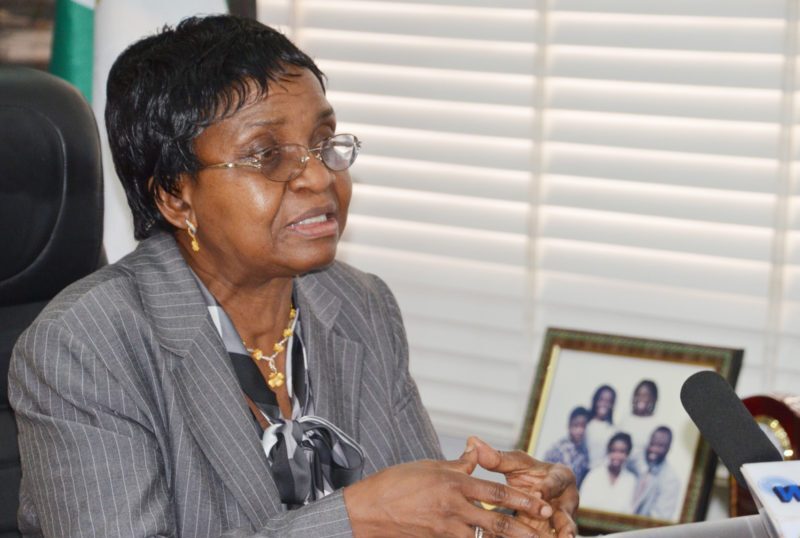
NAFDAC Director General Prof. Mojisola Adeyeye noted that the reserve force provides a permanent pool of trained professionals who can be rapidly deployed during urgent product recalls, counterfeit medicine outbreaks, or public health emergencies.
Operational Component
Scope and Regulatory Strategy
Total Enrolled Pharmacists
600 verified volunteer professionals
Geographic Distribution
36 States & Federal Capital Territory (FCT)
Core Training Curriculum
Pharmacovigilance, post-market surveillance & quality control
Baseline Permanent Staff
800 core enforcement personnel
Supply Chain Security and Enforcement Expansion
World Health Organization estimates indicate that 10 to 15 percent of medicines in regional circulation may be falsified or substandard. By integrating certified volunteers, the NAFDAC pharmacists reserve force significantly increases field presence to monitor retail outlets, collect surveillance data, and detect illicit products before they reach consumers.
Long-term success depends on sustained inter-agency coordination, operational funding, and joint enforcement alongside state pharmacy councils.
Why It Matters: Deploying the NAFDAC pharmacists reserve force addresses critical staffing gaps, allowing health authorities to intercept hazardous pharmaceuticals before they cause widespread public harm.
NAFDAC Trains Pharmacists Reserve For National… LAGOS, NIGERIA — Nigeria's National Agency for Food and Drug Administration and Control (NAFDAC) enrolled 600 pharmacists in its Pharmacists Reserve Volunteer Program on 14 September 2026. Deploying a NAFDAC trains pharmacists reserve force represents…
NAFDAC's Plan to Review Sanctions on Exporters of… The National Agency for Food and Drug Administration and Control (NAFDAC) has announced its intention to review the sanctions imposed on exporters of substandard products [1]. This decision comes in response to the increasing rejection of…
NAFDAC raises alarm over proliferation of… The Director-General of the National Agency for Food and Drug Administration and Control (NAFDAC), Prof. Moji Adeyeye, has voiced her concerns over the alarming proliferation of substandard and falsified medicines, highlighting the imminent dangers posed…
Counterfeit Medicine Crisis Rooted in Regulatory Gaps LAGOS, NIGERIA — Professor Mojisola Adeyeye, Director-General of NAFDAC, has linked the counterfeit medicine crisis in Nigeria to three decades of institutional regulatory gaps. Speaking on September 9, 2026, Adeyeye outlined how historical oversights in…