ABUJA, NIGERIA — Clarifying public expenditures following political debates over health emergency readiness, ncdc says 10 billion Naira approved by the Federal Government was designated for comprehensive epidemic response rather than isolated Ebola containment. Speaking on Channels Television’s Politics Today, Dr. Jide Idris, Director-General of the Nigeria Centre for Disease Control and Prevention (NCDC), explained that the emergency funds cover Lassa fever, yellow fever, dengue, and other viral hemorrhagic fevers entering high-transmission seasonal windows.
The official disclosure addresses recent political inquiries regarding fund disbursement following President Bola Tinubu’s establishment of the Presidential Task Force on Ebola Virus Disease Preparedness and Emerging Public Health Threats.
National Health Emergency Metrics and Financial Allocation Parameters
Data compiled from NCDC situation reports, Federal Ministry of Health disclosures, and epidemiological surveillance updates detail current resource allocations:
Emergency Category
National Health Security Benchmarks
Total Approved Emergency Fund
₦10 Billion approved for broad viral hemorrhagic threat response
Tracked Primary Ebola Contacts
54 contacts under 21-day surveillance (including transit drivers)
Provisional December 7, 2026 (Subject to zero new cases)
Overlapping Surveillance Requirements and Operational Logistics
Addressing inquiries regarding public health expenditure, the ncdc says 10 billion Naira intervention serves dual operational requirements across overlapping disease threat pipelines:
Shared Diagnostic and Infrastructure Assets: Lassa fever and Ebola share clinical presentations during early symptomatic stages. Upgrading molecular laboratory testing facilities, point-of-entry thermal screening, personal protective equipment (PPE) stockpiles, and isolation ward mechanics simultaneously strengthens defenses against both pathogens.
Preparation for Peak Lassa Fever Season: Nigeria experiences annual surges in Lassa fever cases during dry season months. Allocating emergency capital across 8 primary response pillars ensures regional health centers maintain adequate ribavirin stocks, isolation beds, and clinical diagnostic reagents before seasonal spikes accelerate.
Addressing Subnational Facility Deficits: Dr. Idris acknowledged that physical infrastructure degradation has compromised several isolation wards across the country, including facilities within the Federal Capital Territory. Fund deployment prioritizes immediate rehabilitation of high-level containment centers to secure operational readiness.
Public Health Non-Politicization and Electoral Timelines
In response to inquiries regarding public health measures and political schedules ahead of the January 16, 2027 presidential elections, Dr. Idris emphasized that health emergencies must remain decoupled from political debates. He confirmed that current epidemiological data shows no operational reason to postpone electoral timelines or restrict public gatherings, provided standard hygiene and contact tracing measures continue.
Health authorities confirmed that contact tracing efforts expanded to 54 primary contacts following the evacuation of Nigeria’s index patient to Switzerland. All identified individuals are undergoing mandatory 21-day symptom monitoring alongside weekly transport allowances to ensure strict compliance.
Multi-Disease Preparedness, Financial Transparency, and Health Security Outlook
Public health analysts emphasize that publishing transparent spending breakdowns across all 8 operational pillars remains essential to maintaining public trust while building resilient health systems.
Maintaining active surveillance, rehabilitating damaged isolation wards, and ensuring continuous PPE supplies to frontline clinicians remain vital to safeguarding national biosecurity as the ncdc says 10 billion Naira emergency framework expands across federal health facilities.
Why It Matters: Broken isolation units and overlapping disease threats require clear spending tracking so emergency funds strengthen frontline clinic capacity as Lassa fever season begins.
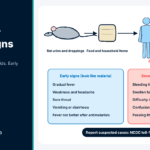
Lassa Fever Warning Signs: Early Action Saves Lives Lassa fever is a viral illness that is found in West Africa, and Nigeria reports more cases than any other country. Each year, outbreaks peak during the dry season, from about December to April. In…
Atiku Demands Accounts of ₦10 Billion Ebola Fund ABUJA, NIGERIA — Demanding complete fiscal transparency over national health security allocations, former Vice President Atiku Abubakar has called on the Federal Government to account for the ₦10 billion approved for Ebola emergency preparedness. The…
Dengue Fever Raises Concern in Sokoto: NCDC Reports 13 Cases The Nigeria Centre for Disease Control and Prevention (NCDC) alerts the public to 13 reported cases of Dengue fever in Sokoto state, emphasizing the urgent need for increased awareness and preventive measures. In a recent…
Nigeria Confirms Imported Ebola Case in Abuja,… ABUJA, NIGERIA — The Federal Ministry of Health and Social Welfare has confirmed an imported ebola case in abuja, placing 44 high-risk contacts in strict 21-day quarantine after an international traveler tested positive for the…