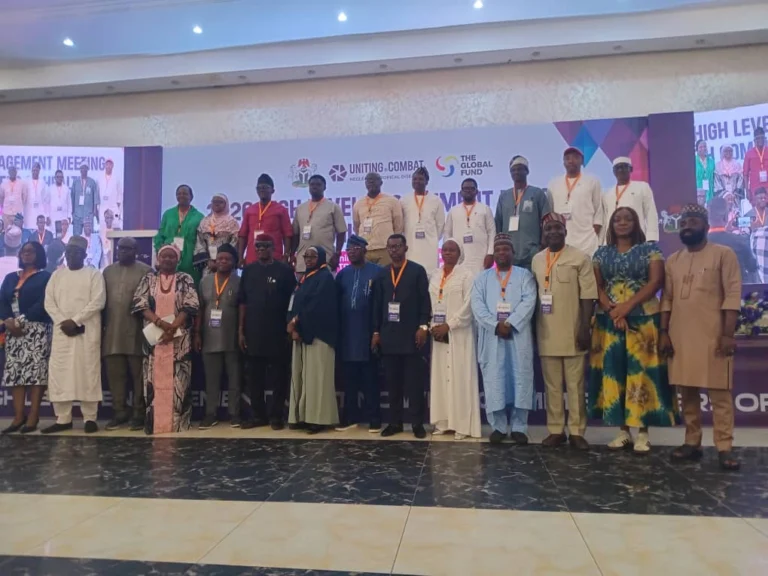
ABUJA, NIGERIA — Nigeria’s Yobe and Benue states have pledged to strengthen neglected tropical disease funding from their own budgets as external support declines, officials said at a high-level advocacy meeting in Abuja, the News Agency of Nigeria (NAN) reported on 29 October.
The 2026 Annual High-Level Advocacy Meeting on Neglected Tropical Diseases (NTDs), held under the theme “Translating Commitments into Budgetary Action”, ran for two days from Wednesday. Participants are pushing for dedicated NTD budget lines in states’ 2027 health budgets, as well as expenditure tracking and coordination across sectors.
States respond as neglected tropical disease funding shifts
Hadiza Sabo, Permanent Secretary of the Yobe State Ministry of Health and Human Services, said the state would integrate NTD interventions into its planning and budgeting and engage local government chairmen and other stakeholders. “We will create a budget line that will speak for the NTDs,” she said. Yobe plans to fold NTD work into existing programmes rather than run it as stand-alone activities.
Dr Paul Ogwuche, Benue State Commissioner for Health and Human Services, said donors had dominated NTD financing and governments now needed sustainable domestic arrangements. “The landscape is changing, the external fundings are reducing,” he said.
Ogwuche said leprosy, lymphatic filariasis and snakebite affect vulnerable and rural communities in Benue, and described the state as one of Nigeria’s high-burden states for snakebite.
The meeting aims to advance Nigeria’s 2030 targets for eliminating NTDs. The World Health Organization recommends combining disease-specific interventions with preventive treatment, vector control, improved sanitation and collaboration across sectors.
The meeting’s theme reflects a common gap between pledges and spending. Advocates have urged states to treat neglected tropical disease funding as a routine part of health budgets, rather than an add-on that depends on partners.
What neglected tropical diseases are
NTDs are a group of infections and conditions that mainly affect poor communities in tropical regions, including river blindness, lymphatic filariasis (elephantiasis), schistosomiasis, trachoma, soil-transmitted worms, leprosy and snakebite envenoming. They rarely kill quickly, but they cause disability, disfigurement, chronic pain, blindness and stigma, keep children out of school and reduce adults’ ability to work.
Nigeria has one of the largest NTD burdens in Africa. Much of the control effort relies on mass drug administration, in which entire communities receive preventive medicines once or twice a year, often donated by pharmaceutical companies and delivered with support from international partners. Community drug distributors, usually volunteers, carry out much of this work.
When donor support falls, the medicines may still be donated, but the costs of delivering them, including training, transport, supervision, data collection and payments to distributors, can go unfunded. That is why dedicated neglected tropical disease funding in state budgets matters: without it, donated drugs can sit in warehouses while communities miss their annual treatment rounds.
Snakebite is a particular concern in agricultural states such as Benue, where farmers are bitten in fields. Treatment depends on antivenom, which is expensive and often scarce in rural health facilities, and on rapid transport to care. Many victims turn first to traditional healers, which can delay effective treatment.
Lymphatic filariasis, one of the diseases Benue identified, is spread by mosquitoes and can cause severe swelling of the legs and genitals. Mass treatment with preventive medicines can interrupt transmission, but only if coverage stays high for several consecutive years.
Leprosy remains a cause of disability and stigma in parts of Nigeria. It is curable with multidrug therapy provided free through national programmes, but late diagnosis can lead to permanent nerve damage, which is why community awareness and trained health workers matter.
Schistosomiasis, often called bilharzia, and soil-transmitted worms are among the most widespread NTDs in Nigeria. They are linked to unsafe water and poor sanitation and can cause anaemia and stunted growth in children, which is why WHO recommends combining deworming with improvements in water, sanitation and hygiene.
Integrating NTD work into primary health care, as Yobe proposes, can make it more sustainable by using existing health workers and facilities, but it also requires training and supplies so that these conditions are recognised and treated at the clinic level.
Expenditure tracking, one of the meeting’s demands, would show whether pledges translate into money released. Budget lines are only the first step; actual releases during the year often fall short of allocations in Nigerian states.
NAN’s report did not say how much Yobe or Benue plan to allocate, or how many people in each state need treatment for NTDs.
Why it matters: As donors retreat, state budgets decide whether millions keep receiving treatment for diseases that blind, disable and impoverish rural communities.
Cross River, USAID-RTI Joint Effort Makes Remarkable… In an extraordinary partnership, the Cross River State Government, in collaboration with USAID's Act to End Neglected Tropical Diseases/East (Act/East) program and Results for Development (R4D), has achieved a groundbreaking milestone in the fight against…
Federal Government and NGOs Join Forces to Tackle… In a significant stride towards enhancing the well-being of individuals grappling with Neglected Tropical Diseases (NTDs), the Federal Government (FG) of Nigeria has forged a crucial alliance with various non-governmental organizations (NGOs) to address the…
Millions of Doses of Drugs to Combat NTDs to be… In a crucial move to address the spread of Neglected Tropical Diseases (NTDs), health agencies in Bauchi, Gombe, and Jigawa states have unveiled plans to distribute over two million doses of drugs. As part of…
African Medicines Agency Opens Two Regulatory Hubs in Kigali KIGALI, RWANDA — The African Medicines Agency (AMA) has launched two hubs in Kigali to help African countries make faster decisions on medicines and support local manufacturers, during its inaugural AMA Week. The African Medicines…