LAGOS, NIGERIA — As healthcare global partners target maternal transmission, Nigeria key market for test deployment has emerged as a top focus following the launch of a $1 triple-screening diagnostic bundle.
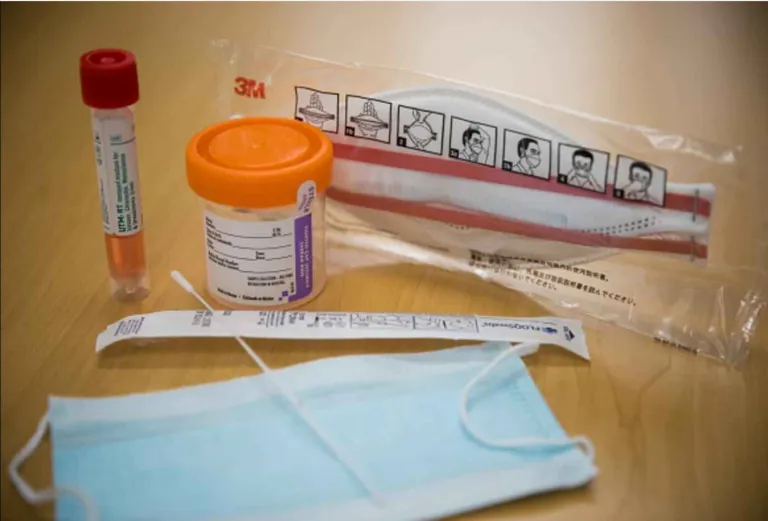
Announced by Premier Medical Corporation and Impact Nexus Africa, the kit combines two rapid diagnostic tools to screen pregnant women for HIV, syphilis, and hepatitis B, as reported by Premium Times. The bundle includes the WHO-prequalified First Response HIV 1+2/Syphilis Combo Card Test alongside the First Response Hepatitis B surface antigen card test.
Priced at $1 per woman screened on an ex-works basis, the minimum procurement order is set at 100,000 units. Modeling across 74 low- and middle-income countries indicates that routine screening could avert 2.7 million infant hepatitis B cases through 2035 while saving $215 million in commodity expenditures.
Antenatal Diagnostic Bundle Overview and Health System Factors
While nigeria key market for test acquisition offers strong volume incentives, full implementation involves several logistics and operational factors:
Implementation Aspect
Operational Detail & Procurement Requirements
Diagnostic Components
WHO-prequalified HIV/Syphilis combo card test + Hepatitis B surface antigen card test.
Pricing & Minimum Order
$1 per screened woman (ex-works); minimum order threshold of 100,000 bundles.
Additional System Costs
NAFDAC registration, import tariffs, cold-chain storage, transport, and facility staffing.
Clinical Interventions
Maternal antiviral therapy, follow-up testing, and birth-dose vaccination within 24 hours.
How the $1 Testing Bundle Closes Critical Gaps
While dual screening for HIV and syphilis is standard in many maternal clinics, hepatitis B testing has lagged despite high regional prevalence. Because infant-acquired hepatitis B carries a high risk of developing into chronic liver disease, early detection during antenatal care is critical to implementing immediate post-birth interventions.
Overcoming Implementation Barriers to Achieve Triple Elimination
To ensure nigeria key market for test procurement translates into lower infant mortality, public health experts emphasize that screening must lead to immediate clinical action. A positive hepatitis B diagnosis requires prompt delivery of a birth-dose vaccine within 24 hours of delivery.
Meeting the 100,000-unit minimum order threshold will likely require state governments and private healthcare networks to pool purchasing power. Furthermore, aligning local health delivery with national manufacturing goals will be essential to supporting long-term disease management.
Why It Matters: Low-cost triple screening prevents infant hepatitis B infections only when positive diagnostic results trigger immediate birth-dose vaccination within 24 hours.
Malaria Prevention in Pregnancy: Protecting Mother and Baby Pregnancy changes the body's defences, and malaria takes advantage of this. In Nigeria, where malaria is present all year round, pregnant women face a higher risk of infection and of serious complications. Fortunately, simple and…
Hepatitis B in Nigeria: Testing, Vaccine and… Hepatitis B is a viral infection that attacks the liver, often silently, for decades. The World Health Organization's 2026 Global Hepatitis Report lists Nigeria among ten countries that together account for nearly 70% of deaths…
Strategies to Eradicate Viral Hepatitis in Africa by… A group of experts from the African region convened on Monday to highlight key strategies in the fight against viral hepatitis. The consensus was clear: integration of hepatitis elimination services into existing health systems, political…
Advocates Urge Wider Supply of Micronutrient… ABUJA, NIGERIA — Maternal health advocates and pediatric specialists have called on federal and state governments to urgently scale up national distribution of micronutrient supplements for pregnant nigerian women, warning that severe stockouts perpetuate high…