ABUJA, NIGERIA — The Nigeria Lassa fever crisis has escalated dramatically in 2026, with confirmed national cases surpassing 1,000 and the case fatality rate reaching a severe 24.3 percent. According to situational reports from the Nigeria Centre for Disease Control and Prevention (NCDC), the country has recorded 1,035 confirmed cases and 252 deaths, with young adults emerging as the primary patient demographic affected by the viral hemorrhagic fever.
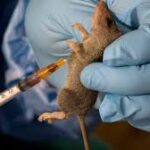
The disease, which is transmitted through contact with infected rodent populations or their excretions, continues to spread rapidly in high-density urban environments with limited sanitation infrastructure.
Epidemiological Burden and Demographics
Public health data highlights a concerning shift in patient distribution, as productive young adults sustain the highest infection load. The escalating numbers place severe operational demands on isolation centers and clinical diagnostic networks nationwide.
Surveillance Capacity and Emergency Containment Response
In response to the surge, the NCDC has activated heightened emergency preparedness protocols across all 36 states and the Federal Capital Territory. Public health authorities are instructing citizens to implement strict food hygiene, secure grain storage, and maintain aggressive community rodent control.
International health organizations emphasize that long-term control of the Nigeria Lassa fever crisis requires urgent investments in healthcare worker biosafety training, personal protective equipment distribution, and decentralized laboratory testing capacity to prevent wider West African epidemics.
Why It Matters: The ongoing outbreak underscores that curbing viral hemorrhagic fevers requires sustained funding for diagnostic infrastructure and frontline health worker infection control.
NCDC Reports 1,968 Lassa Fever Cases in 28 States:… The Nigeria Centre for Disease Control and Prevention (NCDC) has sounded the alarm, announcing that the country is grappling with a significant outbreak of Lassa fever. According to the latest data published on its official…
Lassa Fever Resurges in Nigeria. Abuja, Nigeria – Lassa fever, one of Nigeria’s most persistent public health challenges, continues to grip the nation with new waves of infections, prompting urgent interventions from the government and international health agencies. The deadly…
Nigeria Lassa Fever Outbreak: Deaths Hit 252 as… ABUJA, NIGERIA — The Nigeria Centre for Disease Control and Prevention (NCDC) has reported that fatalities from the ongoing Nigeria Lassa fever outbreak have reached 252 across 1,035 confirmed cases in 2026. According to epidemiological…
Lassa Fever Claims 188 Lives in 28 States: Nigeria's… Lassa fever, a devastating viral hemorrhagic illness, has wreaked havoc in Nigeria, with the Nigeria Centre for Disease Control and Prevention (NCDC) reporting a grim tally. A total of 1,095 Lassa fever cases and 188…