ABUJA, NIGERIA — The Nigeria Centre for Disease Control and Prevention (NCDC) has reported that fatalities from the ongoing Nigeria Lassa fever outbreak have reached 252 across 1,035 confirmed cases in 2026. According to epidemiological data from the NCDC Epidemiological Week 33 situation report, the national case fatality rate (CFR) stands at 24.4 percent—a notable increase compared to the 18.6 percent recorded during the corresponding period in 2025.
During Week 33 (10 to 16 August), health authorities confirmed 14 new infections across Ondo, Bauchi, Edo, and Benue states. Surveillance teams have also cataloged 7,426 suspected cases and six probable cases nationwide.
Geographic Distribution of the Nigeria Lassa Fever Outbreak
Although confirmed cases span 23 states and 117 Local Government Areas (LGAs), disease transmission remains heavily concentrated in specific epicenters. Five states account for 87 percent of all confirmed infections:
Ondo State: 33% of confirmed cases
Bauchi State: 25% of confirmed cases
Taraba State: 13% of confirmed cases
Edo State: 10% of confirmed cases
Benue State: 6% of confirmed cases
Demographic data indicates that confirmed patients range from infants as young as one year to elderly adults aged 93, with a median affected age of 30 years.
Key Challenges and Frontline Protection Strategies
A total of 54 healthcare workers have contracted Lassa fever in 2026 while managing clinical cases. The NCDC identified several systemic hurdles compounding the public health emergency:
Late Clinical Presentation: Delayed hospital visits during advanced viral hemorrhagic stages.
Economic Barriers: High costs of supportive care and specialized antiviral treatment (Ribavirin).
Environmental Drivers: Poor community sanitation and food storage practices that attract the primary vector (Mastomys natalensis rodents).
Information Gaps: Inadequate public awareness regarding early symptom recognition in rural communities.
To protect clinical staff and control hospital-acquired infections, the NCDC launched a targeted 30-day Healthcare Worker Protection Plan in partnership with the World Health Organization (WHO) and the U.S. Centers for Disease Control and Prevention (US CDC). The initiative focuses on delivering personal protective equipment (PPE), enforcing strict infection prevention control (IPC) protocols, and deploying rapid response teams to seven high-burden states.
Why It Matters: A case fatality rate near 24.4% underscores that delayed medical consultation and financial barriers to treatment are major factors driving mortality during the current Lassa fever wave.
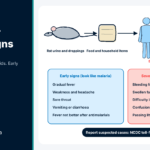
Lassa Fever Warning Signs: Early Action Saves Lives Lassa fever is a viral illness that is found in West Africa, and Nigeria reports more cases than any other country. Each year, outbreaks peak during the dry season, from about December to April. In…
Nigeria Lassa Fever Fatalities Reach 268 as Health… ABUJA, NIGERIA — The ongoing lassa fever outbreak in nigeria has claimed 268 lives through epidemiological week 40 of 2026, pushing the national case fatality rate (CFR) to 23.6 percent compared with 18.6 percent recorded…
NCDC Reports 1,968 Lassa Fever Cases in 28 States:… The Nigeria Centre for Disease Control and Prevention (NCDC) has sounded the alarm, announcing that the country is grappling with a significant outbreak of Lassa fever. According to the latest data published on its official…
Nigeria’s Lassa Fever Deaths Reach 263 as Fatality… ABUJA, NIGERIA — Lassa fever has claimed 263 lives in Nigeria so far in 2026, with the case fatality rate rising significantly higher than levels recorded during the same period last year. According to epidemiological…