MAIDUGURI, NIGERIA — Stakeholders in Borno, Yobe and Adamawa states have called for more North-East sanitary inspection funding and staffing, saying weak environmental health agencies are failing to protect residents from unsafe food and poor hygiene, the News Agency of Nigeria (NAN) reported on 5 November.
In interviews on Thursday, they cited insufficient money, too few workers and skills gaps as the main obstacles, and argued that reforms would improve environmental hygiene, food safety and public health.
Why North-East sanitary inspection funding has fallen short
Zanna Lawal, an environmentalist at Ramat Polytechnic, Maiduguri, blamed corruption and weak enforcement of sanitation laws. He said inspectors once carried out regular house-to-house checks and monitored food vendors, restaurants and businesses, but poor recruitment, low pay, lack of equipment and political interference had reduced their effectiveness. Population growth has increased their workload, he said, and he called for more funding, recruitment, training and stronger enforcement.
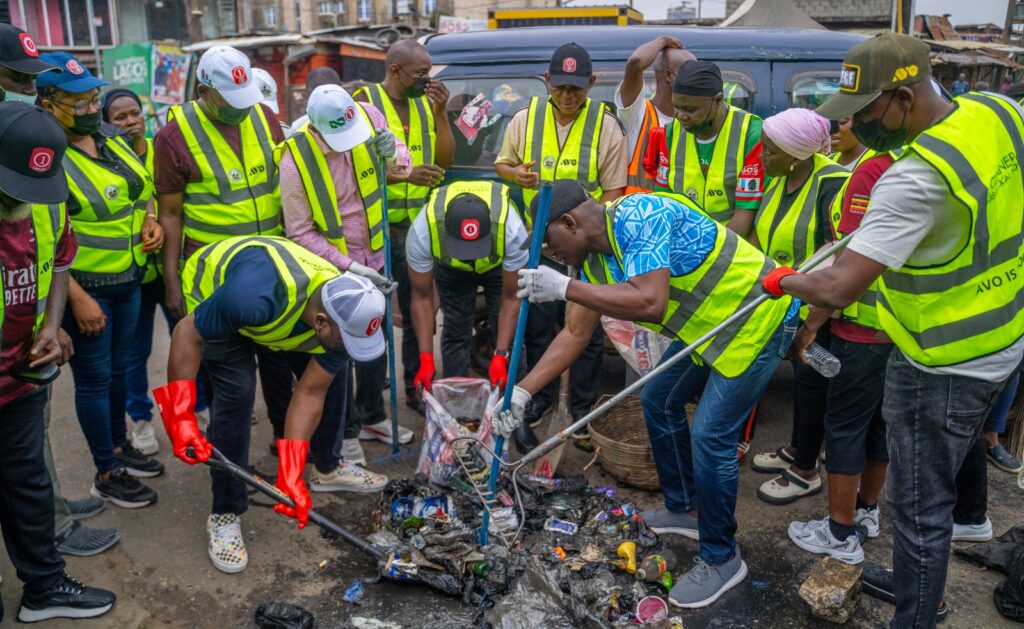
Abubakar Sulaiman, General Manager of the Borno State Environmental Protection Agency (BOSEPA), said the agency is expanding house-to-house inspections, public awareness and enforcement, and has deployed a task force to support routine inspections. He named inadequate funding and the high cost of diesel as key limits on operations, and urged residents to stop indiscriminate waste disposal to prevent diseases such as cholera.
Babagana Modu, General Manager of the Yobe State Environmental Protection Agency, said the state government had approved capacity building for 40 environmental health officers. He said the agency lacks enough officers, sanitary labourers and working equipment, called for outdated sanitation laws to be updated, and said the agency has sought approval to bring back monthly sanitation exercises.
Food vendors want guidance, not just levies
Ibrahim Umar, Executive Director of the Adamawa State Environmental Protection Agency (ADSEPA), said the agency has stepped up inspections and awareness campaigns for food vendors at restaurants and roadside stalls. Checks cover dishwashing, handwashing water and the use of caps and face masks. “We monitor them on how they wash their dishes and flats,” he said. Vendors are also encouraged to fumigate, clean their premises and clear drains, and Umar warned that violators would be prosecuted.
Babi Ladan, a food vendor, said some inspectors seem more focused on collecting money than on teaching traders about hygiene. She said vendors need regular guidance on food handling, waste disposal and cleanliness, and asked for transparency in enforcement and relief from multiple levies that burden small businesses.
Her comments point to a tension in environmental health work. Inspection is meant to protect the public, but when it is seen mainly as a source of revenue, traders may pay to avoid scrutiny rather than improve their practices.
The health stakes in the North-East
Borno, Yobe and Adamawa have been affected by more than a decade of insurgency, which has displaced millions of people and damaged water, sanitation and health infrastructure. Crowded camps and host communities with limited toilets and clean water are vulnerable to outbreaks of cholera and other diarrhoeal diseases, particularly during the rainy season.
Cholera spreads through water or food contaminated with faeces. It can cause severe watery diarrhoea and dehydration that kills within hours if untreated, but most patients recover with prompt oral rehydration solution, and severe cases with intravenous fluids and antibiotics.
Environmental health officers play a front-line role in prevention. They inspect food premises, check water sources and waste disposal, educate households, respond to outbreaks and enforce sanitation laws. Their work often goes unnoticed until an outbreak shows what happens when inspections and sanitation services break down.
Street food is a major source of affordable meals in Nigerian cities. Safe food handling, including handwashing with soap, using clean water, keeping cooked and raw food apart and covering food from flies, reduces the risk of typhoid, cholera and other foodborne illnesses for millions of customers.
What reform could look like
Stakeholders called for more recruitment, training, equipment and updated laws. Experts in environmental health also point to the value of clear, published fees, digital inspection records, regular training for vendors and community sanitation committees that share responsibility for cleanliness.
Funding for environmental health is often small compared with spending on hospitals, yet prevention is usually cheaper than treating outbreaks. Investment in North-East sanitary inspection funding could reduce the burden of diarrhoeal disease on clinics and families.
No state government responded to the calls in the report. Whether the three states increase North-East sanitary inspection funding in their 2027 budgets will show how seriously they treat prevention.
Why it matters: Well-funded food and sanitation inspection prevents cholera and typhoid, protecting families and easing pressure on clinics in the North-East.
Water, Sanitation & Hygiene in Africa: Health at Risk Access to clean water, proper sanitation, and good hygiene—often referred to as WASH (Water, Sanitation, and Hygiene)—is essential for good health and human dignity. Yet, millions of Africans still lack these basic necessities. According to…
Access to Clean Water and Sanitation in Africa Access to clean water and proper sanitation is a fundamental human right and a cornerstone of public health. Yet in Africa, millions of people still struggle to obtain safe drinking water and hygienic sanitation facilities.…
Yobe and Benue Pledge Budget Lines as Tropical… ABUJA, NIGERIA — Nigeria’s Yobe and Benue states have pledged to strengthen neglected tropical disease funding from their own budgets as external support declines, officials said at a high-level advocacy meeting in Abuja, the News…
Aid Cuts Push Millions Into Hunger in Northeast Nigeria Northeast Nigeria is facing a worsening humanitarian crisis as aid cuts by international donors intensify hunger and malnutrition across conflict-affected states like Borno, Adamawa, and Yobe. With over 4.4 million people projected to face acute…