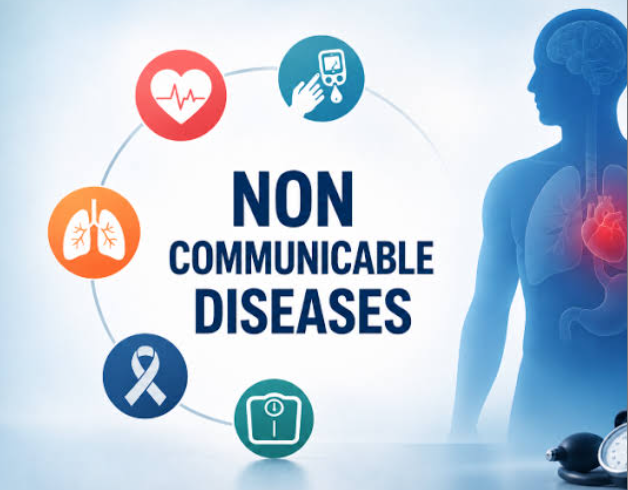
KIGALI, RWANDA — Vital statistics from 2025 reveal a sharp epidemiological transition in Rwanda, with the rwanda non communicable disease burden now dominating mortality patterns. Non-communicable diseases (NCDs) account for 49.5 percent of deaths in healthcare facilities and 58.8 percent of deaths occurring in community settings, marking a dramatic shift from infectious diseases to chronic illnesses.
Cardiovascular disease leads NCD mortality, followed by cancer, diabetes, chronic respiratory conditions, and mental health disorders. Dr. Theoneste Maniragaba, Director of the Cancer Programme at the Rwanda Biomedical Centre, warned that late diagnoses lead to advanced disease presentations. This drives up hospitalization lengths, strains bed capacity, and creates a vicious cycle of costly intensive care that diverts resources from primary prevention.
Key NCD Mortality Drivers and Response Targets
The national statistics highlight a changing healthcare landscape, prompting targeted state interventions:
Metrics & Targets
Statistics & Commitments
Strategic Operational Focus
Facility NCD Mortality
49.5% of healthcare facility deaths
Primary focus on cardiovascular & cancer care
Community NCD Mortality
58.8% of community deaths
Late-stage diagnosis & community screening
Cancer Center Expansion
Growing from 4 to 6 regional centers
Decentralizing specialized oncology care
Dedicated Financing
5% tax revenue allocated to NCDs
Funding public awareness & prevention schemes
Tackling the Rwanda Non Communicable Disease Burden Through Systemic Reform
Addressing the rwanda non communicable disease surge requires comprehensive system-wide restructuring. In response, the Rwandan government is expanding specialized care by building two new regional cancer centers to reduce urban concentration. To secure long-term funding, officials propose directing 5 percent of health tax revenues explicitly toward preventive campaigns, early screening, and lifestyle interventions.
Additional measures include expanding universal health coverage to remove financial barriers to early diagnosis. The government is also training healthcare personnel in chronic disease management, deploying electronic health records, and utilizing community health workers for local blood pressure and glucose monitoring. By combining facility expansion, workforce development, and dedicated taxation, Rwanda aims to transition its healthcare infrastructure from acute infection management to proactive chronic disease prevention.
Why It Matters: Rwanda’s emerging NCD crisis requires rapid healthcare system transformation from an infectious disease focus to a chronic illness management and prevention infrastructure.
The Rise of Non-Communicable Diseases in Africa When people think of Africa’s health challenges, infectious diseases like malaria, HIV/AIDS, and tuberculosis often come to mind. Yet today, a quieter but equally dangerous health crisis is spreading across the continent: non-communicable diseases (NCDs).…
Rwanda NCD Care Strain Escalates Hospital Inpatient Costs KIGALI, RWANDA — Non-communicable diseases accounted for 49.5 percent of facility deaths and 58.8 percent of community deaths in 2025, health experts revealed on 6 September 2026. The rising Rwanda NCD care strain is fundamentally…
WHO Regional Survey Reveals Patient Safety Gaps in NCD Care BRAZZAVILLE, CONGO — A regional assessment released by the World Health Organization Regional Office for Africa highlights progress and critical gaps in health system safety, according to the latest who regional patient safety findings. Published…
Breast Cancer Screening in Nigeria: Where to Go and Costs Breast cancer screening in Nigeria confuses people for a simple reason: nobody tells you which test you need. A woman of 32 asks for a mammogram and is told she does not need one. A…