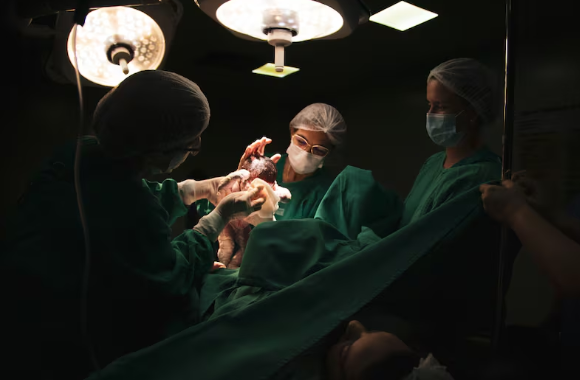
PRETORIA, SOUTH AFRICA — Groundbreaking research reveals that 60 percent of women in KwaZulu-Natal and Gauteng provinces experienced mistreatment during delivery, shedding light on a severe south africa childbirth abuse crisis. This rate extrapolates to roughly 490 women experiencing abuse daily across these two provinces alone, signaling systematic disrespect within public maternity care. Alarmingly, only 34 percent of affected women recognized their treatment as abusive, indicating a normalization of mistreatment. Furthermore, a mere 7 percent of victims formally reported these incidents, limiting institutional accountability.
Rachel Jewkes of the South African Medical Research Council emphasized that providing respectful maternity care does not require massive financial investment. Instead, it demands institutional dedication to human dignity, clear communication, and compassionate care standards.
The research findings highlight widespread systemic gaps alongside newly mandated government interventions:
Systemic Factor
Documented Rate & Benchmark Target
Operational Focus
Prevalence of Abuse
60% of delivering mothers affected
Estimated 490 women abused daily in two provinces
Abuse Recognition Rate
Only 34% label experiences as abuse
Widespread normalization of obstetric violence
Formal Reporting Rate
Only 7% formally lodge complaints
Critical gap in institutional accountability
Mandatory Training
Launching September 22, 2026
National online program for all maternal health staff
Mitigating the South Africa Childbirth Abuse Crisis Through Systemic Reform
To address the south africa childbirth abuse crisis, the Deputy Director General for Maternal Health announced a mandatory online training program launching September 22, 2026, for all maternal healthcare workers. The curriculum prioritizes communication techniques, non-judgmental care, informed consent protocols, and respect for birth preferences. Healthcare centers will now be required to document compliance with respectful care standards to establish clear performance metrics.
Broader initiatives aim to educate communities that mistreatment constitutes a human rights violation, empowering women to demand birth companions and specific labor positioning. Concurrently, healthcare worker wellness programs address systemic burnout, inadequate pay, and poor working conditions that contribute to workplace frustration. Combined with clinical audits, WHO benchmark alignments, and union cooperation, South Africa is taking step-by-step measures to restore dignity to maternal services.
Why It Matters: South Africa’s documented childbirth abuse crisis demands urgent healthcare system transformation prioritizing women’s rights and dignity during maternal services.
Please follow and like us:
Post Views:29
Related Posts:
Diabetes in Nigeria: Why Blood Sugar Control Fails Diabetes in Nigeria does not usually fail in the clinic. Among people who reach a specialist and stay in care, control is often reasonable. It fails in the years before anyone tests you, and it…
University of Pretoria Mastercard Foundation… The University of Pretoria Mastercard Foundation Scholars Program represents one of the most comprehensive equity-driven funding mechanisms on the African continent. Explicitly designed to dismantle structural barriers in higher education, the program prioritizes academically gifted…
Positive Discipline: Raising Respectful Children in Africa Parenting is one of the most important responsibilities in society, and in Africa, it has traditionally been a communal duty shaped by culture, values, and respect for elders. From village life to urban households, discipline…
Childhood Verbal Abuse: A Long-lasting Impact on… Childhood verbal abuse, often overlooked but with profound consequences, is gaining attention from experts. This form of abuse, characterized by yelling and threats from parents or caregivers, can lead to enduring emotional and mental health…