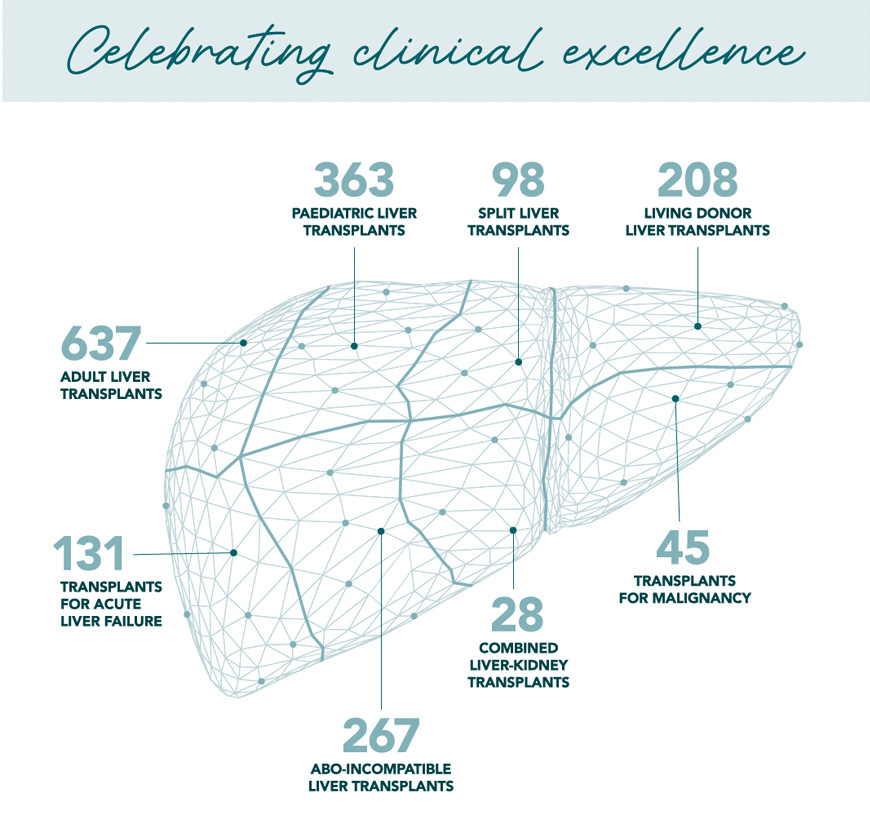
JOHANNESBURG, SOUTH AFRICA — The Wits Donald Gordon Medical Centre has achieved a historic milestone by completing its 1,000th liver transplant procedure since program inception in 2004. This accomplishment highlights a major south africa liver transplant achievement, cementing the nation’s position as a continental leader in specialized hepatic surgical innovation.
The center performs between 50 and 60 liver transplants annually. Jerome Loveland, Head of Transplant Surgery, emphasized the facility’s exclusive use of machine perfusion technology in Africa. This technique circulates warm, oxygenated fluid through donor livers during preservation to assess organ viability and restore metabolic function. The innovation allows surgeons to resuscitate organs from older donors, expanding the eligible donor pool by 10 to 15 percent in a region where over 4,000 people remain on organ waitlists.
Core Program Benchmarks & Surgical Innovations
The Wits Donald Gordon program combines advanced organ preservation with specialized surgical methods:
Expanding the South Africa Liver Transplant Capacity Across the Continent
Beyond machine perfusion, the south africa liver transplant program leverages split-liver procedures—dividing a single donor liver to benefit two recipients—which significantly improves pediatric access. Living donor options further expand organ availability by utilizing the liver’s natural regenerative capacity for safe relative-to-patient donations. Modern immunosuppressive protocols and refined surgical techniques have pushed 5-year recipient survival rates past 80 percent.
Despite these advancements, waitlist mortality remains a major challenge due to severe organ shortages. Broader healthcare equity concerns also persist, as private sector facilities serve wealthier patients while public transplant capacity remains constrained. To widen its impact, the center conducts international fellowship programs to train surgeons from across Africa, expanding complex organ preservation and hepatic transplantation capabilities across the continent.
Why It Matters: South Africa’s liver transplant leadership using machine perfusion innovation advances African surgical capacity and demonstrates the potential for medical technology adaptation.
Landmark Achievement: First-Ever Whole Eye… In a groundbreaking medical achievement, a surgical team from NYU Langone Health in the United States has successfully performed the world's first-ever whole-eye transplant. This remarkable procedure marks a significant milestone in the field of…
Afe Babalola Multi-System Hospital Marks Milestone… The Afe Babalola University Multi-System Hospital in Ado-Ekiti, Nigeria, has achieved a significant medical milestone, with the successful completion of four additional kidney transplant procedures. Dr. Kolawole Ogundipe, the Chief Medical Director (CMD), made this…
Healthcare Trailblazer: Celebrating Pharm. Ahmed… On December 1st, 1960, amidst the joy and jubilation in the Yakasai community of Kano, Nigeria, a beacon of excellence, leadership, and dedication was born. Pharm. Ahmed Ibrahim Yakasai, FPSN, mni, FNIM, FPCPharm, FNAPharm, a…
NMA Calls for Legislative Overhaul to Safeguard… The Nigerian Medical Association (NMA) advocates for a review of organ transplant laws, urging the National Assembly to enact friendly legislations to curb illegal practices and ensure ethical standards in the country. In a bid…