UMUAHIA, NIGERIA — Abia State has been selected as the preferred location for a proposed stroke centre in Abia focused on neurovascular care, after taking part in the 2026 Sweden-Africa Neurosurgery Symposium in Gothenburg, Sweden, the state government said, The Whistler reported on 3 November.
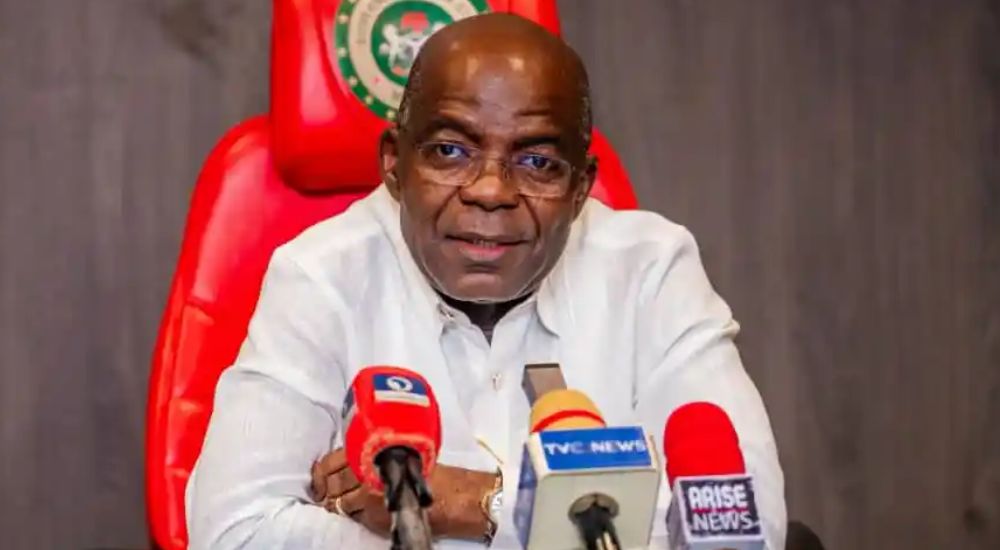
Commissioner for Information Prince Okey Kanu told journalists in Umuahia after a State Executive Council meeting chaired by Governor Alex Otti that “Abia State was selected as the most suitable location to host the proposed stroke and neurovascular centre.” He attributed the choice to the state’s progress in health care and its qualified specialists. “This is another milestone for the present administration,” he said.
Why a stroke centre in Abia matters
The symposium discussed the growing burden of stroke in Africa, particularly in Nigeria, according to the report. The Whistler’s headline described the centre as multi-billion-naira, but the report did not give a cost, a timeline or the partners who would fund and run it.
Stroke has become one of the leading causes of death and disability among adults in Nigeria, and survivors often need long-term care, which places heavy demands on families who must pay for medicines, therapy and assistance at home.
Stroke occurs when blood supply to part of the brain is blocked by a clot or when a blood vessel bursts. It can cause paralysis, loss of speech, memory problems and death. The main risk factor is high blood pressure, which affects a large share of Nigerian adults and often goes undiagnosed. Diabetes, smoking, high cholesterol, heavy alcohol use and some heart conditions also increase risk.
Specialised stroke care can make a large difference to survival and recovery. In the hours after a stroke caused by a clot, clot-dissolving drugs or procedures to remove the clot can restore blood flow and limit brain damage. Both require rapid brain imaging, usually a CT scan, and trained teams available around the clock. Neurovascular centres also treat bleeding strokes and abnormal blood vessels in the brain, and provide rehabilitation.
In much of Nigeria, such care is scarce. CT scanners are concentrated in cities and private facilities, patients often arrive late, and few hospitals have stroke units. A stroke centre in Abia could serve patients across the South-East if it is equipped, staffed and linked to emergency transport and referral systems.
Other health updates from Abia
Kanu said the state Ministry of Health was recently recognised as a national self-care champion. He said a multi-sectoral technical working group on frontline preparedness had developed an Ebola preparedness and response plan, and that the government had completed an Infectious Disease Hospital in Aba and an infectious disease facility and specialist hospital in Umuahia.
Those facilities add to the state’s capacity to isolate and treat patients during outbreaks such as Ebola and Lassa fever.
No cases of diseases of public health importance, including Ebola, Lassa fever, COVID-19, diphtheria, cholera and avian influenza, were reported in the state between 18 October and 1 November, he said. The Office of the Wife of the Governor also organised a breast cancer awareness event with the state ministries of health and of women affairs.
Preventing strokes is as important as treating them. Regular blood pressure checks, treatment of hypertension with affordable medicines, reducing salt intake, physical activity and stopping smoking can prevent many strokes. Community screening at pharmacies, workplaces and primary health centres can identify people with high blood pressure before they suffer a stroke.
Rehabilitation is the other part of stroke care that is often missing. Physiotherapy, speech therapy and occupational therapy help survivors regain independence, but such services are limited outside large hospitals, and families often bear the cost and burden of care at home.
Nigeria’s stroke burden is closely linked to hypertension. WHO estimates that only about 23 per cent of people with high blood pressure worldwide have it under control, and control rates are lower in many African countries.
Telemedicine and teleradiology can extend specialist stroke expertise to hospitals without neurologists, allowing scans to be reviewed remotely and treatment decisions made faster. A stroke centre in Abia could act as a hub for such a network if it is designed that way from the start.
The state did not name the institutions that would partner on the centre or how it would be funded.
A stroke centre in Abia would need sustained funding for staff, imaging equipment, medicines and maintenance. The government did not say when work on the centre would begin.
Why it matters: Rapid specialist stroke care saves brain function and lives, but prevention through blood pressure control remains Nigeria’s biggest opportunity.
Experts Urge Role for Trained Cleaners in Nigeria’s… ABUJA, NIGERIA — Health and hygiene experts have called for professionally trained cleaners in epidemic response planning in Nigeria, warning that poor cleaning practices and cross-contamination can undermine efforts to stop infectious diseases such as Ebola,…
HMOs Dispute Lagos Claim of Industry Backing for New… LAGOS, NIGERIA — Health maintenance organisations (HMOs) have disputed the Lagos State government’s claim that 21 of them endorsed the newly launched Lagos Private Health Plan, raising questions about a proposed levy and the state’s…
Ethiopia Hosts First Global Emergency Medical Teams… ADDIS ABABA, ETHIOPIA — More than 800 participants from over 100 countries are gathering in Ethiopia from 3 to 5 November for the seventh global Emergency Medical Teams meeting, the first held in the World…
Reliance on Imported Drug Ingredients Threatens… ABUJA, NIGERIA — Nigeria’s heavy dependence on imported raw materials for medicines threatens its medicine security, government officials and development partners said at a meeting in Abuja on Friday, calling for a practical roadmap…