CAPE TOWN, SOUTH AFRICA — Over 80 percent of university undergraduates with physical, sensory, and neurodevelopmental conditions surveyed in a Western Cape research study exhibit symptoms of clinical depression above the screening threshold, according to findings published in Daily Maverick. Investigating psychological distress, researchers found that high depression rates among south african students with disabilities coincide with alarming levels of trauma-related distress and social isolation across major tertiary institutions.
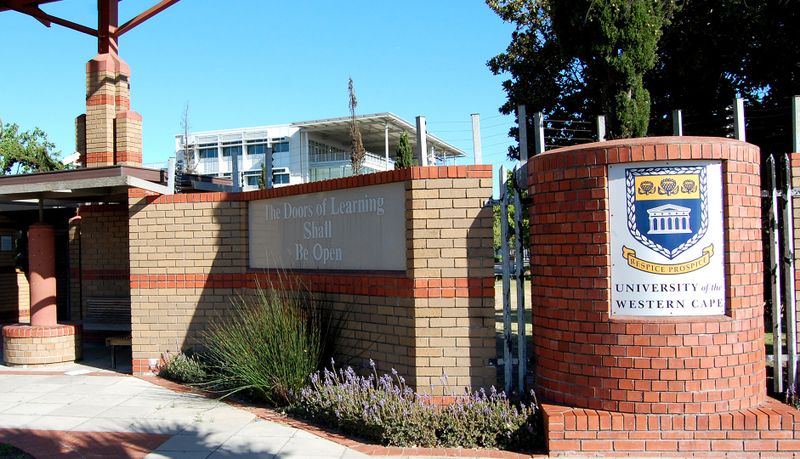
Led by Amy-Jean Viljoen, a PhD candidate in the Department of Psychology at the University of the Western Cape (UWC), alongside supervisor Prof. Anita Padmanabhanunni, Dean of the Faculty of Community and Health Sciences, the study surveyed 229 undergraduate students across UWC, Stellenbosch University, and the University of Cape Town.
Psychological Indicators and Study Metrics
Survey data compiled across Western Cape universities details the prevalence of mental health symptoms among students with disabilities:
Clinical Screening Category
Survey Percentage & Research Metrics
Depression Screening Threshold
>80% of surveyed students screened positive for elevated depressive symptoms
Probable PTSD Symptoms
74% of participants met screening criteria for probable PTSD
Reported Loneliness & Isolation
69% of students experienced high levels of chronic loneliness
Elevated Hopelessness Index
55% of participants reported significant feelings of hopelessness
Systemic Mechanics and Depression Rates Among South African Students With Disabilities
Analyzing the underlying drivers behind depression rates among south african students with disabilities underscores why tertiary environments present severe psychological hurdles:
Inaccessible Infrastructure and Academic Barriers: Students face daily physical barriers—including broken campus transport systems, inaccessible lecture halls, and learning materials unadapted for visual, hearing, or cognitive impairments.
Under-Registration with Disability Support Units: Prof. Padmanabhanunni noted that many students refrain from registering with official university disability units due to social stigma, leaving them completely cut off from institutional accommodations.
Invisible Disabilities and Unseen Distress: Students living with non-visible neurodevelopmental or psychiatric conditions experience severe distress compounded by a lack of peer understanding and administrative support.
Digital Interventions, Institutional Audits, and Student Co-Design
The survey findings emerged from a broader two-and-a-half-year doctoral project focused on evaluating digital mental health applications at UWC. Lead researcher Amy-Jean Viljoen emphasized that designing effective support tools requires placing students with disabilities at the center of research development, ensuring that physical and digital platforms are designed by the populations they aim to serve.
While screening tools measure symptom severity rather than formal psychiatric diagnoses, the magnitude of distress highlights an urgent need for institutional reform. Academic leaders recommend that South African universities conduct systematic audits of their counseling centers and disability units to eliminate accessibility barriers and improve care pathways.
Continental Mental Health Systems and Accessible Support Networks
The mental health crisis among tertiary students reflects broader continental trends across Sub-Saharan Africa, where adolescent mental health services remain underfunded. In Nigeria, psychiatric specialists report that the vast majority of young people experiencing severe depression or trauma go entirely untreated due to workforce shortages, while similar studies in Rwanda highlight widespread loneliness among individuals with psychosocial disabilities.
Addressing depression rates among south african students with disabilities requires establishing accessible peer support groups, training university staff on inclusive practices, and expanding digital mental health tools designed for diverse impairment needs. Ensuring that every student can access confidential, physical, and digital counseling remains essential to fostering equitable educational environments across Africa.
Why It Matters: Most students with disabilities in the study showed signs of depression and trauma; universities must urgently create accessible mental health services to support student well-being and academic success.
Normal Blood Sugar Levels: What Your Numbers Mean Someone checks your sugar at a chemist, reads out a number, and either looks worried or does not. Nobody explains which test it was, which units it is in, or what the threshold actually is.…
Gates Cambridge Scholarship 2027 2028 Applications… Securing postgraduate funding for advanced health research or global health policy at the University of Cambridge is one of the most impactful milestones for international medical, clinical, and public health scholars. The Gates Cambridge Scholarship…
UCT Mastercard Foundation Scholars Program Open for… For healthcare workers across Africa facing socio-economic barriers to advanced study, the UCT Mastercard Foundation Scholars Program offers a premier, fully funded route to postgraduate qualification. Hosted at the University of Cape Town—South Africa's leading…
Breast Cancer Screening in Nigeria: Where to Go and Costs Breast cancer screening in Nigeria confuses people for a simple reason: nobody tells you which test you need. A woman of 32 asks for a mammogram and is told she does not need one. A…