When a couple struggles to conceive, the woman is often blamed first. Yet male factors contribute to many cases of infertility. Sperm health depends on general health, lifestyle and medical conditions, and much of it can be improved. Sperm take about two to three months to develop, so changes made today can improve fertility in the months ahead. This guide shares practical tips for healthy sperm, explains what affects sperm quality and describes when men should be tested.
Tips for healthy sperm: how long does it take?
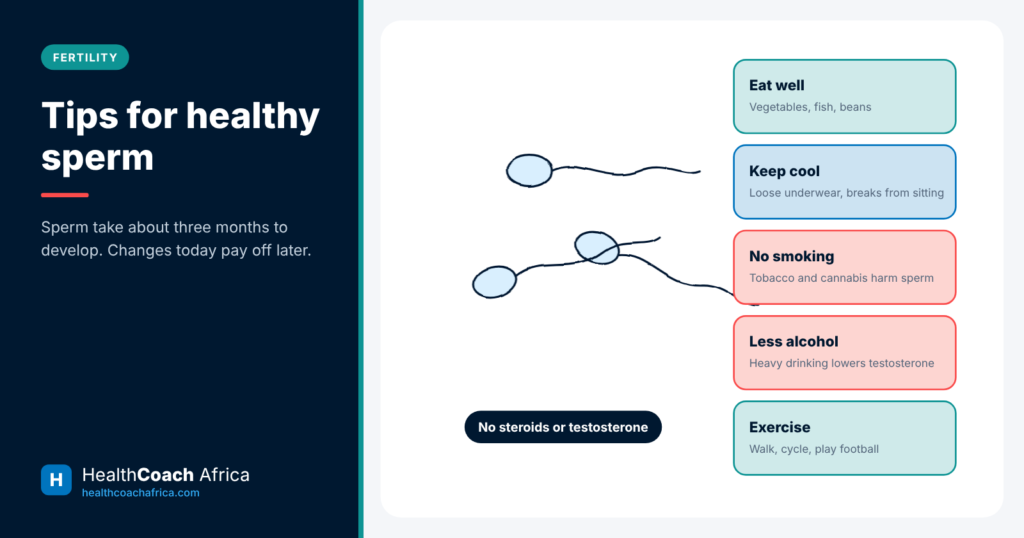
Because sperm take around three months to develop, changes in lifestyle take time to show. Follow these tips for healthy sperm for at least three months before expecting a difference in a semen analysis. Stay consistent. Small, steady changes, such as walking daily, cutting alcohol and eating more vegetables, add up over time.
How sperm are made
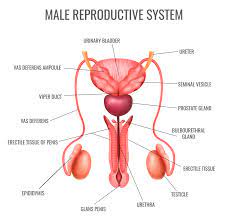
Sperm are made in the testicles in a process that takes about 64 to 74 days, followed by a period of maturation. The testicles sit outside the body because sperm production works best at a temperature slightly lower than core body temperature. Hormones from the brain and testicles control the process.
What makes sperm healthy?
A semen analysis looks at several features:
Count: the number of sperm in the sample
Motility: how well the sperm move
Morphology: the shape of the sperm
Volume: the amount of semen
Problems with any of these can reduce the chance of pregnancy.
Tip 1: Keep a healthy weight
Being overweight or obese can lower testosterone and reduce sperm quality. Losing even a little weight can help. Combine a balanced diet with regular activity.
Tip 2: Eat a balanced diet
Some of the most useful tips for healthy sperm involve food. Choose:
Plenty of vegetables and fruit
Whole grains
Beans, lentils and groundnuts
Fish, such as sardines and mackerel
Eggs and lean meat
Limit processed meat, fried food and sugary drinks. A diet rich in antioxidants from fruit and vegetables supports sperm health.
Tip 3: Stop smoking
Smoking tobacco damages sperm DNA and lowers sperm count and motility. Smoking cannabis also affects sperm. Stopping smoking is one of the most powerful tips for healthy sperm. Ask a pharmacist about nicotine replacement products1 to help you quit.
Tip 4: Limit alcohol
Heavy drinking lowers testosterone and sperm quality. Keep alcohol to a minimum, and avoid binge drinking.
Tip 5: Keep the testicles cool
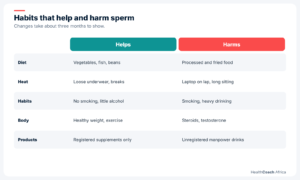
Comparison of habits that help and harm, with tips for healthy sperm and male fertility
Repeat a semen analysis after three months of changes.
Heat can reduce sperm production. To protect sperm:
Wear loose underwear and trousers
Avoid sitting for long periods with a laptop on your lap
Take breaks if you sit for long hours, such as long-distance drivers
Avoid very hot baths and saunas
Tip 6: Exercise regularly
Moderate exercise, such as brisk walking, cycling or football, improves general health and may help sperm quality. Avoid extreme endurance training without rest, which can lower testosterone.
Tip 7: Avoid anabolic steroids and testosterone
Anabolic steroids and testosterone injections, used by some men for bodybuilding, can stop sperm production completely. Recovery may take many months after stopping. Never take testosterone to improve fertility. It has the opposite effect.
Tip 8: Check your medicines and supplements
Some medicines can affect sperm, including some treatments for ulcers, some antibiotics, some chemotherapy and some herbal products. Do not stop prescribed medicines on your own, but ask your doctor or pharmacist whether any could affect fertility. Avoid unregulated “manpower” mixtures, which may contain hidden ingredients.
HUBPHARM PHARMACIST’S NOTE
Many “manpower” drinks and sex enhancers sold in markets contain hidden ingredients, including undeclared erectile dysfunction medicines and steroids, which can harm the heart and reduce sperm. Send a photo of any product you use to a HubPharm pharmacist. We will tell you what is known about it and whether it could affect your fertility. We also offer confidential stop-smoking support, a review of your prescribed medicines and help finding a laboratory for a semen analysis.
Tip 9: Treat infections
Sexually transmitted infections, such as gonorrhoea and chlamydia, can damage the tubes that carry sperm. Mumps after puberty can damage the testicles. Get tested and treated for infections, and use condoms with new partners.
Tip 10: Reduce exposure to chemicals
Pesticides, heavy metals such as lead and some industrial solvents can harm sperm. If you work with chemicals, wear protective equipment and follow safety rules.
Tip 11: Manage stress and sleep well
Stress and poor sleep can affect hormones and sex drive. Regular sleep, exercise and time to relax help. Talk to someone if stress is affecting your relationship.
Tips for healthy sperm: supplements
Some men take supplements containing zinc2, folate, selenium, vitamin C, vitamin E or coenzyme Q10. Evidence for their benefit is mixed. A balanced diet usually provides enough nutrients. If you want to try a supplement, choose a registered product and ask a pharmacist to check it against your other medicines. Avoid products that promise dramatic results.
Sexual health and fertility
Erection problems and early ejaculation can make conception harder, even when sperm are healthy. These problems are common and treatable. They can be linked to stress, diabetes, high blood pressure, alcohol or medicines. Talk to a doctor rather than buying unregulated sex enhancers, which may contain hidden ingredients that are dangerous for the heart.
Medical causes of low sperm count
Some men have medical conditions that affect sperm, such as:
Varicocele, enlarged veins in the scrotum
Hormone problems
Undescended testicles in childhood
Previous surgery on the groin or testicles
Genetic conditions
Diabetes
A doctor can examine you and arrange tests.
Understanding your semen analysis
A single abnormal result does not always mean a long-term problem. Sperm quality varies, and illness with fever in the previous three months can lower the count. Doctors often repeat the test after a few weeks. If results remain low, further tests, such as hormone tests and a scrotal ultrasound, may be needed.
Supporting your partner
Fertility is a shared journey. Attend appointments together, share decisions and support each other emotionally. Following these tips for healthy sperm shows your partner that you are taking an active part in building your family.
When to get a semen analysis
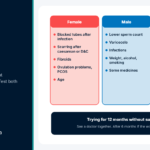
Couples should see a doctor if they have been trying for 12 months without success, or six months if the woman is 35 or older. Men should have a semen analysis early in the process, alongside tests for their partner. Men with a history of testicular problems, sexual difficulties or previous infections should seek help sooner.
For a semen analysis, you will usually be asked to avoid ejaculation for two to five days before giving a sample. The sample should reach the laboratory within about an hour.
Myths about male fertility
“If a man can have sex, he is fertile.” Sexual function and sperm quality are different.
“Infertility is always the woman’s fault.” Male factors play a part in many cases.
“Herbal manpower drinks boost sperm.” Many have no proven benefit, and some may cause harm.
“Testosterone injections improve fertility.” They reduce sperm production.
Tips for healthy sperm at work
Some jobs affect sperm health. Long-distance drivers sit for hours in hot vehicles. Welders, bakers and kitchen staff work near high heat. Farmers and painters may handle pesticides or solvents. Take regular breaks, wear loose clothing and use protective equipment. These practical tips for healthy sperm help men in demanding jobs protect their fertility.
Tips for healthy sperm: a weekly checklist
Walk or exercise on at least five days
Eat vegetables or fruit with every meal
No smoking, and alcohol kept to a minimum
Loose underwear and regular breaks from sitting
Seven to eight hours of sleep most nights
No anabolic steroids, testosterone or unregistered manpower drinks
Tick off each item for three months, then repeat your semen analysis.
Evidence is mixed. Choose registered products only.
To order any of these, or to ask a pharmacist a question first, message HubPharm on WhatsApp or visit hubpharmafrica.com. Prescription medicines are supplied against a valid prescription.
Causes of Secondary Infertility: When the Second… Many couples assume that if they had one child easily, the next pregnancy will follow just as easily. When it does not, they can feel confused, frustrated and even guilty. Secondary infertility means difficulty getting…
Male Infertility in Africa: Breaking the Silence When people hear the word “infertility” in Africa, the assumption is almost always that the problem lies with women. Yet research shows that male infertility contributes to about 40–50% of all infertility cases worldwide. In…
Understanding Male Fertility: Factors, Diagnosis,… Male fertility refers to a man's ability to impregnate a woman and father a child. It is an important aspect of reproductive health and plays a significant role in human reproduction. Male fertility depends on…
Infertility stigma and cultural beliefs in Africa Infertility is a global health concern, but in Africa, it carries a unique burden due to deep-rooted cultural beliefs, religious expectations, and societal pressures. In many African communities, the ability to bear children is seen…