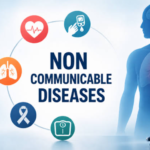
BRAZZAVILLE, CONGO — A regional assessment released by the World Health Organization Regional Office for Africa highlights progress and critical gaps in health system safety, according to the latest who regional patient safety findings. Published on World Patient Safety Day under the theme “Safe care for noncommunicable diseases,” the survey reveals that one in six patients receiving chronic care for hypertension, diabetes, or cardiovascular conditions experiences avoidable clinical harm during treatment.
WHO Regional Director for Africa Dr. Mohamed Janabi called on member states to integrate clinical safety protocols directly into primary healthcare facilities. Although several countries have introduced evidence-based treatment guidelines, major gaps persist in error reporting systems, health worker training, and medicine distribution security.
Key Assessment Metrics & System Recommendations
The regional report details clinical safety challenges across chronic disease management:
Clinical Governance Priority
System Performance Target
Avoidable Patient Harm
Reduce the 1-in-6 harm rate across chronic NCD treatment facilities
Embed standardized NCD screening & safety tools into local clinics
Medicine Supply Security
Ensure uninterrupted distribution of safe, quality-assured chronic meds
Executing the WHO Regional Survey on Patient Safety Directives in Primary Care
Adopting the who regional patient safety recommendations requires health ministries across the continent to reinforce clinical governance frameworks. Expanding community-based screening networks is essential to detect non-communicable conditions early before advanced complications require complex, high-risk clinical interventions. Furthermore, health facilities must prioritize continuous training for frontline nurses and community health workers on error prevention and medication management.
Securing pharmaceutical supply chains remains equally critical to ending treatment interruptions that force patients onto substandard or counterfeit alternatives. By establishing transparent incident reporting mechanisms and enforcing who regional patient safety guidelines, African nations can safeguard patient health, reduce preventable hospital complications, and build resilient, patient-centered healthcare systems.
Why It Matters: Embedding clinical safety protocols into chronic disease care reduces hospital-acquired complications, ensuring safer, long-term treatment for millions of Africans living with non-communicable conditions.
5 Critical Steps for Africa Emergency Medical Teams ADDIS ABABA, ETHIOPIA — Health ministers across 47 member states in the World Health Organization (WHO) African Region have officially adopted a strategic Africa emergency medical teams framework, committing every signatory nation to establish at…
WHO Report reveals global impact of Hypertension and… The World Health Organization (WHO) has unveiled its inaugural report on the worldwide devastation wrought by high blood pressure, offering critical recommendations to combat this silent but deadly menace. The report's stark findings show that…
Rwanda's Non-Communicable Disease Burden Reaches… KIGALI, RWANDA — Vital statistics from 2025 reveal a sharp epidemiological transition in Rwanda, with the rwanda non communicable disease burden now dominating mortality patterns. Non-communicable diseases (NCDs) account for 49.5 percent of deaths in…
Rwanda NCD Care Strain Escalates Hospital Inpatient Costs KIGALI, RWANDA — Non-communicable diseases accounted for 49.5 percent of facility deaths and 58.8 percent of community deaths in 2025, health experts revealed on 6 September 2026. The rising Rwanda NCD care strain is fundamentally…