BRAZZAVILLE, CONGO — Nearly three in four adults with diabetes in Africa do not know they have the condition, the World Health Organization (WHO) has warned, describing undiagnosed diabetes in Africa as the highest proportion of any region in the world, Premium Times reported on 30 October.
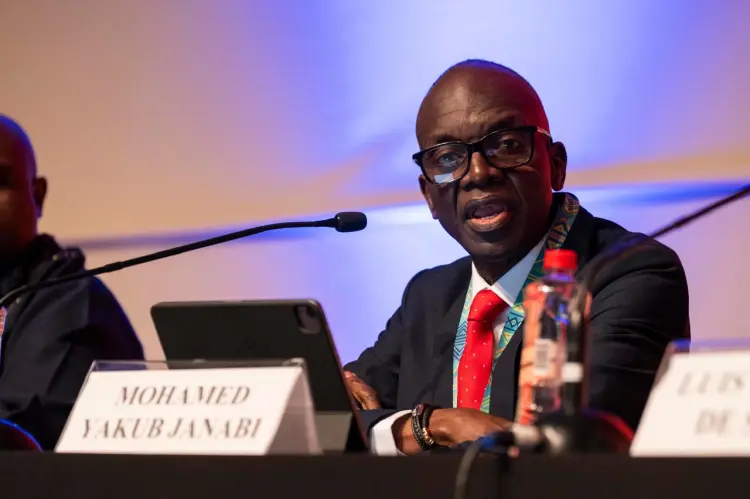
An estimated 24.6 million adults aged 20 to 79 were living with diabetes in the WHO African Region in 2024, according to the International Diabetes Federation, and the number could rise to 59.5 million by 2050. WHO Regional Director for Africa Mohamed Janabi said the share of undiagnosed cases was the highest globally.
The cost of undiagnosed diabetes in Africa
Delayed diagnosis and treatment can lead to kidney failure, blindness, cardiovascular disease and lower-limb amputations, Janabi said. Warning symptoms include increased thirst, frequent urination, unexplained weight loss, persistent tiredness and blurred vision.
“Know the symptoms. Do not ignore the warning signs. Seek testing and care early. Encourage others to do the same,” Janabi said. “Do not ignore these symptoms. Seek testing and medical advice promptly.”
The theme of World Diabetes Day 2026, marked on 14 November, is “Early Action on Diabetes.” WHO is supporting countries through programmes including WHO PEN, HEARTS, HEARTS-D for type 2 diabetes, and PEN-Plus, which brings care for severe chronic conditions, including type 1 diabetes, to district hospitals. Rwanda has achieved nationwide district-level coverage of PEN-Plus, according to the report.
Janabi said significant gaps remain in trained health workers, diagnostic services, essential medicines and continuous care. WHO is committed to helping African countries meet the 2030 targets of the Framework for the Implementation of the Global Diabetes Compact in the African Region.
Why diagnosis lags
Type 2 diabetes, which accounts for most cases, often develops slowly with few symptoms for years. Without routine testing, many people are diagnosed only when complications appear, such as a foot ulcer, vision problems or kidney damage. In much of Africa, primary health care facilities lack glucose meters, test strips or laboratory tests for HbA1c, which measures average blood sugar over about three months.
Cost is another barrier. Many patients pay for tests, consultations and medicines out of pocket, and insulin and newer diabetes drugs can be expensive or unavailable. People who are diagnosed may struggle to stay on treatment, and interruptions raise the risk of complications.
Rising rates are linked to urbanisation, changing diets with more processed foods and sugary drinks, less physical activity and higher rates of overweight and obesity. Diabetes also interacts with other diseases common in Africa, increasing the risk of tuberculosis and worsening outcomes for some infections.
Closing the gap on undiagnosed diabetes in Africa will require testing at community and primary care level, particularly for people at higher risk, such as those who are overweight, have high blood pressure, are older or have a family history of diabetes. Integrating diabetes screening into existing services, such as HIV clinics, antenatal care and pharmacy services, can reach people who would not otherwise be tested.
Pharmacies and community health workers can play a role by offering blood glucose checks, counselling on diet and medicines, and referral for confirmation and treatment. Continuity of care, including regular supplies of medicines and follow-up visits, is essential for preventing complications once diabetes is diagnosed.
Programmes such as PEN-Plus show what is possible. By training staff at district hospitals to manage severe chronic diseases, including type 1 diabetes in children and young adults, the approach brings specialist-level care closer to patients. Rwanda’s nationwide district coverage has been cited by WHO as a model for other countries.
Reducing undiagnosed diabetes in Africa also depends on public awareness. Many people do not recognise early symptoms, or associate them with other causes, and some fear the cost of a diagnosis. Campaigns around World Diabetes Day aim to encourage testing, especially among people with risk factors.
Health systems that link testing to affordable treatment, including access to metformin, insulin and blood glucose monitoring, will be best placed to turn earlier diagnosis into fewer complications, lower costs and longer, healthier lives for people living with the condition.
Nigeria, with Africa’s largest population, accounts for a large share of the continent’s diabetes burden. Its rising rates of hypertension and diabetes, combined with high out-of-pocket spending, make early detection and affordable long-term treatment national priorities.
The WHO statement did not give country-level figures for undiagnosed diabetes or say which countries have the largest gaps.
Why it matters: With three in four cases undiagnosed, routine testing in clinics and pharmacies is the fastest way to prevent blindness, amputations and kidney failure.
WHO Says Ebola Survivors Can Spread Virus Through… BRAZZAVILLE, CONGO — People who survive Ebola can pass the virus on through sex if it persists in semen after recovery, but are not expected to spread it through sweat or saliva once discharged, the…
Africa CDC Warns Continent Is Not Winning as Ebola… ADDIS ABABA, ETHIOPIA — The head of the Africa Centres for Disease Control and Prevention has issued a stark Africa CDC Ebola warning, telling more than 40 African health ministers that the continent is “not…
Pilot and Wife Test Negative in Adamawa Ebola Scare,… YOLA, NIGERIA — The Adamawa suspected Ebola cases, a 34-year-old pilot and his wife, a medical doctor, have tested negative for the virus after two rounds of testing, Nigeria’s disease control agency said, leaving the…
Diabetes in Nigeria: Why Blood Sugar Control Fails Diabetes in Nigeria does not usually fail in the clinic. Among people who reach a specialist and stay in care, control is often reasonable. It fails in the years before anyone tests you, and it…