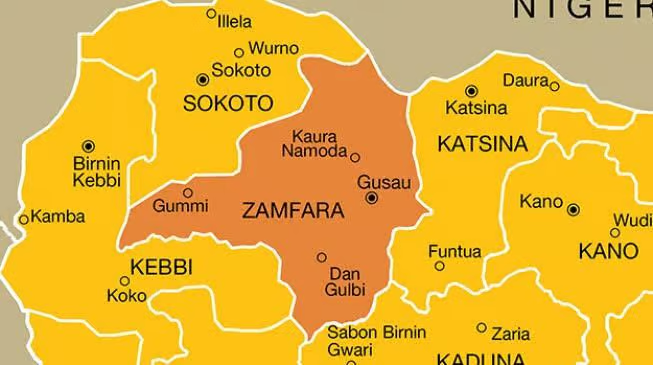
GUSAU, NIGERIA — The Zamfara State Government has confirmed that a Zamfara dengue fever outbreak caused an illness that has killed 46 people in Shinkafi, Moriki and nearby communities, with 366 suspected cases recorded, AIT reported on 3 November.
Thirty cases were confirmed by PCR tests at the Molecular Laboratory of Usmanu Danfodiyo University Teaching Hospital in Sokoto, according to the report. Dr Yusuf Haske, Director of Public Health at the Zamfara State Ministry of Health, announced the findings during the second phase of an investigative visit to the affected areas.
How the Zamfara dengue fever outbreak spread
The case breakdown given by AIT shows the heaviest toll in Shinkafi Local Government Area, with 123 cases and 38 deaths. Zurmi recorded 171 cases and eight deaths, and Birnin Magaji 72 cases with no deaths reported.
The confirmation ends days of uncertainty. Leadership reported that the state epidemiologist, Dr Ahmad Muhammad Gusau, had dismissed rumours of Ebola but confirmed about 30 deaths while the cause was still unknown. He said affected people presented with symptoms similar to malaria and that samples had been sent for testing to determine whether the illness was dengue, chikungunya or another febrile disease.
Leadership also reported that some of those who died had underlying conditions, including diabetes and hypertension, which made it harder to link every death directly to the illness. At the time, the paper said, the Nigeria Centre for Disease Control and Prevention (NCDC) had not issued an official explanation.
Governor Dauda Lawal directed the Ministry of Health to investigate, with a focus on Shinkafi, Moriki and Zurmi. The team announced the diagnosis at the Emir’s Palace and presented essential drugs and consumables to the community, AIT said. Dr Aminu Garba, medical director of Shinkafi General Hospital, described the severity of the outbreak and the measures the hospital had taken to manage patients.
What dengue is and why it is easy to miss
Dengue is a viral infection spread mainly by Aedes mosquitoes, which bite during the day and breed in small amounts of clean standing water, such as in containers, tyres, buckets and blocked gutters. It cannot be passed directly from person to person in normal contact.
Most infections are mild or cause no symptoms, but some people develop high fever, severe headache, pain behind the eyes, muscle and joint pain, nausea and rash. A small share progress to severe dengue, with bleeding, plasma leakage and shock, which can kill without prompt hospital care.
In Nigeria, dengue is often missed because its early symptoms resemble malaria, and many patients are treated for malaria without a test. Where rapid tests and laboratories are scarce, outbreaks can grow for weeks before they are recognised, as appears to have happened in Zamfara.
Health officials say the Zamfara dengue fever outbreak also shows the value of laboratory capacity close to affected communities. Samples in this case were confirmed in Sokoto, and earlier testing had been sent to the National Reference Laboratory, which can add days between the first deaths and a confirmed diagnosis.
There is no specific antiviral treatment for dengue. Care focuses on fluids, rest and close monitoring for warning signs such as severe abdominal pain, persistent vomiting, bleeding gums, blood in vomit or stool, and sudden tiredness or restlessness. Health guidance generally advises paracetamol for fever and pain, and warns against aspirin and ibuprofen because they can increase the risk of bleeding.
The state’s response to the Zamfara dengue fever outbreak
According to AIT, response priorities include case management, vector control, active searches for new cases, community sensitisation and referral of complicated cases. Residents were urged to keep their surroundings clean, remove mosquito breeding sites and take preventive measures.
Practical steps for households include covering water storage containers, emptying and scrubbing containers each week, disposing of old tyres and bottles, using insect repellent and wearing long sleeves during the day. Bed nets used against malaria offer some protection for people who sleep during the day, including babies and the sick.
For health facilities, the outbreak underlines the value of testing fever before treating it. A negative malaria test in a patient with high fever and body pain should prompt clinicians to consider dengue and other viral illnesses, and to watch for warning signs.
The Zamfara dengue fever outbreak comes as Nigeria is on alert for Ebola, and it shows how rumours can spread when an unexplained illness causes deaths. Clear and timely public information from state and federal authorities can reduce fear and help people seek care early.
State officials did not give a timeline for containing the outbreak. Further updates from the Ministry of Health and NCDC are expected to show whether new cases are falling as vector control and community measures take effect.
Why it matters: Dengue is often treated as malaria, so testing fever before treatment and clearing mosquito breeding sites can prevent deaths.
Dengue Fever Raises Concern in Sokoto: NCDC Reports 13 Cases The Nigeria Centre for Disease Control and Prevention (NCDC) alerts the public to 13 reported cases of Dengue fever in Sokoto state, emphasizing the urgent need for increased awareness and preventive measures. In a recent…
Lassa Fever Warning Signs: Early Action Saves Lives Lassa fever is a viral illness that is found in West Africa, and Nigeria reports more cases than any other country. Each year, outbreaks peak during the dry season, from about December to April. In…
Pilot and Wife Test Negative in Adamawa Ebola Scare,… YOLA, NIGERIA — The Adamawa suspected Ebola cases, a 34-year-old pilot and his wife, a medical doctor, have tested negative for the virus after two rounds of testing, Nigeria’s disease control agency said, leaving the…
Zamfara's Trailblazing Medical Initiative Sets a New… ZAMFARA, Nigeria — The Zamfara State government has embarked on an innovative medical outreach program, a remarkable effort aimed at tackling pressing healthcare needs and elevating the quality of life for its people. Under the…