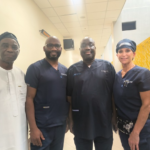
LAGOS, NIGERIA — Surgeons at Kelina Hospital, a private healthcare facility, have completed over 50 minimally invasive robotic operations to remove cancerous prostates within a single year, recording zero blood transfusions since June. Announcing the achievement at a press briefing in Lagos, Dr. Celsus Undie, President of Kelina Hospital and consultant urological surgeon, highlighted that integrating advanced robotic surgery in nigeria has enabled weekly robotic radical prostatectomies, with over half of patients discharged within 24 hours of surgery.
The medical program is managed entirely by resident Nigerian surgeons. Following the country’s first robotic radical nephrectomy in 2025, the facility has crossed more than 7,000 surgical operations overall.
Program Metrics and Robotic Surgery in Nigeria
Data disclosed by hospital executives outlines clinical outcomes and national prostate cancer epidemiology:
Health & Clinical Indicators
National Metrics & Program Deliverables
Robotic Surgery Milestone
50+ robotic radical prostatectomies completed within 12 months
Post-Operative Recovery
>50% of patients discharged within 24 hours post-surgery
Prostate Cancer Burden
24,396 new annual cases and 15,176 deaths reported nationally
Transfusion Protocol
Zero blood transfusions required for robotic cases since June
Technical Advantages of Robotic Surgery in Nigeria
To improve surgical precision and minimize operative trauma, surgical teams utilize advanced console-assisted robotic systems for complex robotic surgery in nigeria:
3D Magnified Visualization: Operating through small keyhole incisions using 3D high-definition vision consoles for precise anatomical dissection.
Functional Preservation: Enhancing surgical accuracy near nerve bundles to better preserve urinary control and erectile function.
Reduced Recovery Time: Lowering post-operative pain and blood loss to accelerate patient discharge timelines.
Early Screening, Cost Barriers, and Comprehensive Care
Prostate cancer remains the most diagnosed malignancy among Nigerian men, claiming approximately 26 lives every day. While the availability of robotic technology offers advanced domestic treatment options, public health experts emphasize that late clinical presentation remains the primary obstacle to lowering mortality. Most patients present only when the disease has metastasized beyond the prostate, rendering curative surgical intervention ineffective.
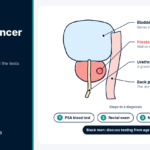
In addition, out-of-pocket payment models and high equipment consumables costs restrict access to high-tech private procedures. Achieving broader clinical impact requires expanding routine Prostate-Specific Antigen (PSA) blood testing, raising public awareness among men over 40, and strengthening regional pathology, radiotherapy, and hormonal therapy infrastructure across all geopolitical zones.
Why It Matters: While local robotic surgery capabilities expand advanced clinical choices, routine screening remains critical to detecting prostate cancer early enough for surgical cure.
Prostate Cancer in Nigeria: Signs, Testing and Treatment Prostate cancer is the most common cancer among Nigerian men. Men of African descent develop it more often, at a younger age and in a more aggressive form than many other groups. Yet many men…
Understanding Prostate Cancer: Symptoms, Diagnosis,… Prostate cancer is a type of cancer that develops in the prostate, a small gland in the male reproductive system. The prostate is located just below the bladder and surrounds the urethra, which carries urine…
First Tele-Robotic Kidney Surgery Performed in Nigeria ABUJA, NIGERIA — Nigerian medical specialists have successfully removed a cancerous kidney using a remotely guided robotic platform. According to clinical statements released by participating hospitals, the successful procedure marks the country's first tele-robotic kidney…
Nigeria Opens First Robotic Surgery Academy ABUJA, NIGERIA — As nigeria opens first robotic surgery academy to train 400 clinical specialists over the next two years, federal authorities and private healthcare partners have launched a landmark initiative to transform West Africa's…