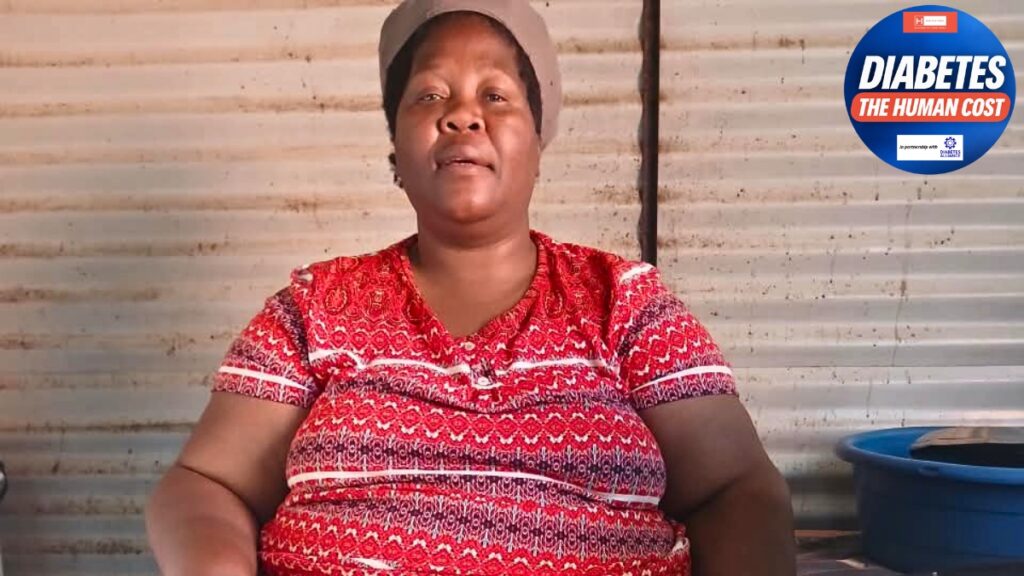
JOHANNESBURG, SOUTH AFRICA — A woman in Lenasia South has gone more than four months without her diabetes and other chronic medicines because she cannot afford the R400 return trip to hospital, one of several patients whose stories reveal the hidden cost of diabetes care in South Africa, Health-e News reported on 11 November.
Patricia Nhlapo, 53, lives in Meriting informal settlement and is unemployed. She depends on her eldest daughter, the sole breadwinner in a household of seven, according to the report by Lerato Kodisang.
“At times I have to choose between buying food at home and going to get treatment,” Nhlapo said.
The hidden cost of diabetes for patients
Nhlapo was diagnosed in 2024 at Lenasia South Hospital and does not know whether she has type 1 or type 2 diabetes. She takes metformin and medicines for hypertension, heart and kidney problems and blood clots. A local clinic told her that her multiple conditions make her high-risk and that she must collect medication at Helen Joseph Hospital in Johannesburg, where she is monitored.
She last received medication at the start of July. Since August she has reported dizziness, headaches, swelling of the feet and face, shortness of breath and back pain. She struggles to walk and relies on private transport. “Emotionally, I’m not okay. I cry a lot and I am always worried about a way forward,” she said.
Pamela Jwili, a registered nurse specialising in diabetes care and founder of PNJ Sunshine Healthcare in Boksburg, said a four-month gap in medication is alarming. “Prolonged uncontrolled blood glucose increases the risk of complications affecting the kidneys, eyes” and other organs, she said.
Food on a pension
Lindiwe Miya, 69, lives alone in Orange Farm with type 2 diabetes. Her old-age pension of R2,400 a month must also cover electricity, transport and burial society contributions. Fresh produce at the nearby mall is expensive, and when money is short she eats cheaper foods such as white porridge, fried tomatoes and chips.
“I would appreciate assistance with diabetic food being subsidised by government,” Miya said.
Mosele Mokanyane, 43, of Palm Springs in the Vaal Triangle, is a single mother who eats R4 worth of magwinya, fried dough, for breakfast and sometimes pap despite advice to avoid it. She said diabetes has affected her confidence. “My mental health is affected because of overthinking,” she said.
Practical advice
Jwili recommended that patients ask their nearest clinic about alternatives such as the Central Chronic Medicine Dispensing and Distribution programme, known as Dablapmeds, which offers collection points closer to home for eligible patients.
She listed affordable foods that can support a healthy diet, including beans, lentils, eggs, pilchards, cabbage, spinach, morogo and seasonal vegetables, and said maize meal and bread can fit a balanced diet in appropriate portions. “Healthcare workers should provide realistic nutritional guidance based on what patients can afford and access,” she said.
She said depression, anxiety and diabetes-related distress can affect motivation, medication routines and attendance at appointments, and that patients can seek counselling, mental health assessments and social work support through primary health care facilities. “We need to move away from simply asking whether patients are adhering to treatment,” she said.
Beyond the pill
The hidden cost of diabetes includes transport, special foods, glucose testing supplies, time off work and the emotional toll of living with a lifelong condition. For poor households, these costs can force difficult choices that lead to missed doses and complications.
Diabetes is now the leading underlying cause of death in South Africa, according to Statistics South Africa data cited by Health-e News. Bringing medicine collection closer to home, linking patients to social support and offering realistic dietary advice could help patients like Nhlapo stay on treatment.
Social grants are a lifeline for many patients, but they are rarely enough to cover the extra costs of chronic illness. Advocates have called for the hidden cost of diabetes to be considered in social protection, including transport support for patients with multiple chronic conditions.
Health workers can also reduce costs by aligning appointment dates for different conditions, so that patients with diabetes, hypertension and heart disease do not need several separate trips each month.
Community health workers who visit homes could also check on patients who miss appointments and help them reconnect with care.
Health-e News said the stories form part of its series on how people across South Africa live with diabetes, and how cost, distance and stress shape their care and outcomes over time.
Why it matters: Transport, food and stress costs push poor patients off diabetes treatment, so care must fit what families can afford.
Gauteng Woman With Diabetes Fears Losing Remaining… JOHANNESBURG, SOUTH AFRICA A 60-year-old Gauteng woman who lost the sight in her right eye while waiting for specialist care now fears losing her remaining vision as her diabetic eye surgery wait continues, Health-e News…
Malaria Prevention for Travellers: Staying Safe on Your Trip Every year, many people travel to Nigeria for business, holidays, weddings, funerals and family visits. These include Nigerians who live abroad and return home. Malaria is present throughout Nigeria, all year round. Travellers who have…
How to Manage Stress: A Practical Guide for Busy Lives Traffic, rising prices, job insecurity, family responsibilities and unreliable power can make daily life in Nigeria feel like a constant uphill climb. Some stress is a normal part of life and can even help us…
Professor Mojisola Adeyeye: The Pharmacist Who… When Professor Mojisola Adeyeye walked into NAFDAC headquarters in November 2017, she inherited an agency with a debt of more than three billion naira, laboratories that did not work and a reputation that its own…