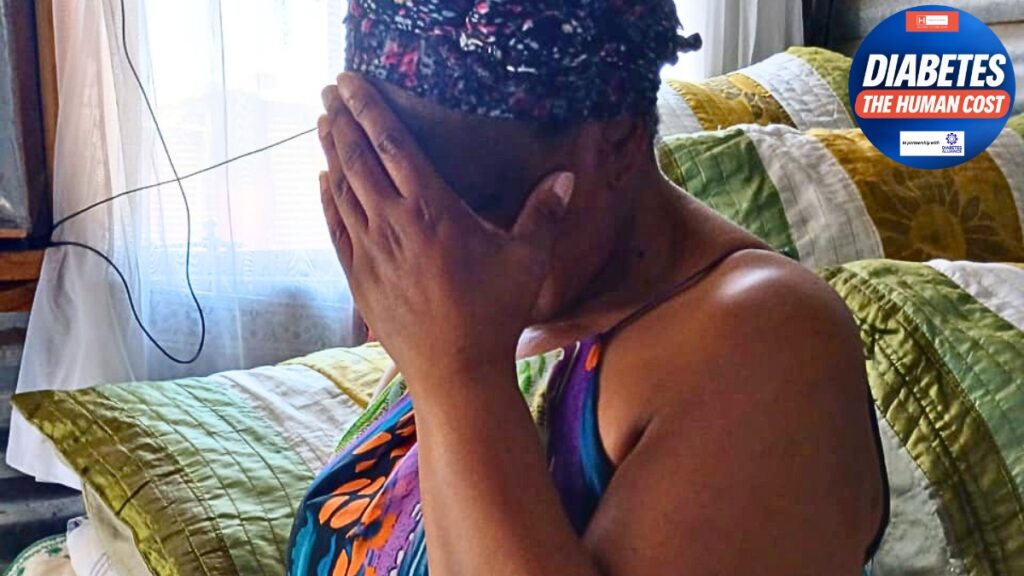
A 60-year-old Gauteng woman who lost the sight in her right eye while waiting for specialist care now fears losing her remaining vision as her diabetic eye surgery wait continues, Health-e News reported on 9 November.
Ayanda Ndlovu, a pseudonym used to protect her identity, lives in Meriting informal settlement in Lenasia South and has type 2 diabetes, according to the report by Lerato Kodisang. She was diagnosed with diabetic retinopathy in both eyes in April 2022 after consulting a private ophthalmologist.
“I wish the processes from the hospital can be quicker before I lose my remaining sight,” she said.
A long diabetic eye surgery wait
Ndlovu lost sight in her right eye while waiting for specialist care between 2022 and 2024. In 2023 she was referred to Steve Biko Academic Hospital, which could not perform the specialised surgery she needed. In 2024, doctors found a cataract in her left eye, and she was referred to St John’s Eye Hospital at Chris Hani Baragwanath Academic Hospital, where she has waited for cataract surgery since.
Her next follow-up is scheduled for March next year, but no surgery date has been confirmed. In October, the Gauteng Department of Health ran a cataract surgery drive to reduce waiting lists, but it is unclear why she was not included, the report said. The department did not respond to questions before publication.
“The only help I need is the outstanding surgery so I can at least see with my left eye,” Ndlovu said.
Her diabetes was first detected in 2002 at Mayibuye Clinic in Tembisa during pregnancy. Her blood sugar remained high after she gave birth, and by 2013 she was prescribed insulin and metformin. She was hospitalised for three weeks at Tembisa Hospital in 2019, around the time her eyesight began to deteriorate.
How diabetes damages the eyes
Diabetic retinopathy occurs when high blood sugar damages the small blood vessels of the retina, the light-sensitive layer at the back of the eye. Vessels can leak, swell or close off, and new fragile vessels may grow and bleed. Without treatment, it can lead to blindness.
Dr Wezi Gloria Maphenduka, an ophthalmologist at Charlotte Maxeke Johannesburg Academic Hospital and the University of the Witwatersrand, told Health-e News that diabetic retinopathy can develop without noticeable symptoms. She said more than 90 per cent of diabetes-related vision loss can be prevented or delayed through early detection, timely treatment and good control of blood glucose, blood pressure and cholesterol.
People with diabetes also develop cataracts, a clouding of the eye’s lens, earlier and more often than people without diabetes. Cataract surgery is usually quick and highly effective, but long waiting lists in public hospitals leave many patients with poor vision for years.
The cost of waiting
Losing sight affects independence, safety and the ability to manage diabetes itself. Patients may struggle to read medicine labels, check blood sugar or inject insulin accurately, which can worsen control and increase the risk of complications.
Ndlovu relies on a caregiver, also identified by a pseudonym, to help with household chores and hospital visits.
Her case shows how a diabetic eye surgery wait can extend for years as patients move between clinics and hospitals. Each referral adds new appointments, travel costs and delays, and patients in informal settlements may struggle to pay for repeated trips.
A Gauteng Health post on 8 October said 14 hospitals in the province currently provide cataract surgery. Health advocates say waiting lists could be cut by scheduling more theatre time, training more eye surgeons and nurses, and running regular outreach surgery drives.
Screening can prevent blindness
Guidelines recommend that people with diabetes have their eyes examined at least once a year, even if they have no symptoms. Retinal cameras and trained nurses can screen patients in primary care, so that those with early damage are referred for laser or injection treatment before vision is lost.
In many public clinics in South Africa and across Africa, routine eye screening for people with diabetes is not consistently available. Integrating screening into chronic disease clinics, alongside blood pressure and blood sugar checks, could prevent many cases of avoidable blindness.
Good control of blood sugar, blood pressure and cholesterol remains the foundation of prevention. Patients who keep their diabetes well controlled, take medicines consistently and attend regular check-ups are less likely to develop severe eye damage, and less likely to face a long diabetic eye surgery wait later.
Ndlovu’s story is part of Health-e News’s diabetes series. For her and many others, a shorter diabetic eye surgery wait could mean the difference between keeping and losing the sight they have left.
Why it matters: Most diabetes-related blindness is preventable with screening and timely surgery, but long public waiting lists are costing patients their sight.
Diabetic Eye Disease Signs: Protecting Your Sight… Diabetes is one of the leading causes of preventable blindness in working-age adults. High blood sugar slowly damages the tiny blood vessels at the back of the eye, often for years before any change in…
Thyroid Eye Disease Symptoms: Protecting Your Eyes… Thyroid eye disease is an autoimmune condition that affects the muscles and tissues around the eyes. It is most often linked to Graves' disease, a common cause of an overactive thyroid. For some people, it…
Nigeria Targets 25,000 Subsidised Cataract Surgeries… ABUJA, NIGERIA — Nigeria will provide 5 million reading spectacles and 25,000 fully subsidised cataract surgeries by 2027 under a new Nigeria eye care plan, the Minister of State for Health and Social Welfare, Iziaq…
Professor Mojisola Adeyeye: The Pharmacist Who… When Professor Mojisola Adeyeye walked into NAFDAC headquarters in November 2017, she inherited an agency with a debt of more than three billion naira, laboratories that did not work and a reputation that its own…