JOHANNESBURG, SOUTH AFRICA — South Africa diabetes targets set for 2027 remain out of reach as patients struggle to get diagnosed, treated and supported, experts told Health-e News, in a report published on 11 November ahead of World Diabetes Day.
Diabetes is the leading underlying natural cause of death in South Africa, accounting for about 6.1 per cent of recorded deaths in 2024, according to Statistics South Africa, the report by Elna Schutz said.
Where South Africa diabetes targets stand
The National Strategic Plan for the Prevention and Control of Noncommunicable Diseases 2022 to 2027 sets a 90-60-50 target: 90 per cent of adults should know their blood glucose status, 60 per cent of those with raised blood pressure or glucose should receive intervention, and 50 per cent of those treated should be controlled.
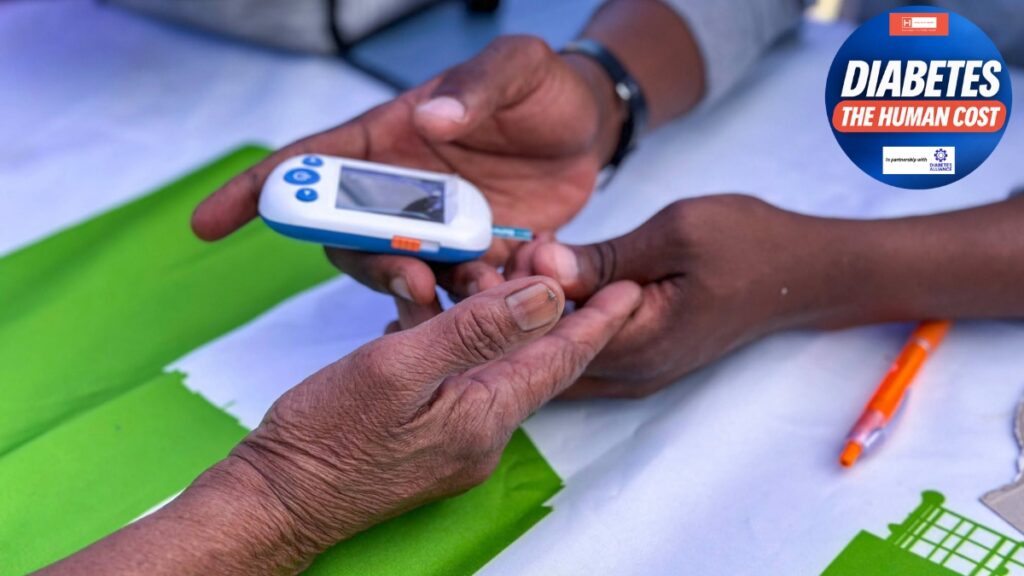
More than 43 million screenings were recorded in the 2025/2026 financial year, according to the District Health Information System, and 105,382 people were put on treatment. However, data on diagnosis and care were unavailable or not collected, making it difficult to measure progress against the targets.
The International Diabetes Federation estimated that 2.3 million South Africans aged 20 to 79 had diabetes in 2024, a number projected to reach almost 4 million by 2050. Bridget McNulty, chief executive and co-founder of the Sweet Life Diabetes Community, estimates that about half of people with diabetes are undiagnosed, while Dr Patrick Ngassa Piotie, Chairperson of the Diabetes Alliance, says the figure may be as high as 70 per cent.
Barriers patients face
“In a system like this, opportunities to fail are numerous,” said Piotie, who co-founded the University of Pretoria Diabetes Research Centre. Patients described medicine shortages, insufficient training on insulin use and transport costs as barriers to collecting medication, according to the report.
“South Africa is one of the countries where insulin is freely available to all,” McNulty said. But availability in policy does not always translate into reliable access at clinics, where stock-outs and long queues are common.
Professor Peter Raubenheimer, Head of the Division of General Internal Medicine at Groote Schuur Hospital and the University of Cape Town, said: “I don’t think it’s a health priority for the country.” National Department of Health spokesperson Foster Mohale was also approached for the report.
Insulin access in practice depends on more than supply. Patients need syringes or pens, glucose meters and testing strips, and training on how to adjust doses, store insulin and recognise low blood sugar. Gaps in any of these can make insulin treatment unsafe.
Accountability push
The Diabetes Alliance planned to launch an accountability framework on Thursday, 12 November, ahead of World Diabetes Day on 14 November. The Johannesburg Declaration, adopted after the 2025 Diabetes Summit, includes demands such as the president declaring diabetes a national public health crisis.
Health-e News’s diabetes series has documented patients missing doses because of clinic stock-outs, losing sight while waiting for eye surgery, undergoing amputations after late treatment and struggling to afford transport and healthy food.
The national department has acknowledged supply problems for several essential medicines, including metformin, and experts describe current shortages in the public sector as the worst they have seen.
Diabetes is closely linked to other chronic conditions. Many South Africans with diabetes also have hypertension, kidney disease or HIV, which means integrated care in primary health clinics, rather than separate visits for each condition, could improve outcomes and reduce costs for patients.
Advocates also point to prevention. A health promotion levy on sugary drinks was introduced in South Africa in 2018, and some groups have called for it to be increased and for revenue to be ring-fenced for health.
World Diabetes Day on 14 November is expected to bring renewed calls for action from patient groups and clinicians.
What would help
Experts say meeting South Africa diabetes targets will require routine screening in primary care, reliable supplies of metformin, insulin and testing strips, training for patients on insulin use, and systems that track whether patients are diagnosed, treated and controlled.
Community health workers and pharmacies can help by screening people at risk, supporting adherence and referring those with high readings. Collecting chronic medicines closer to home, through programmes such as the Central Chronic Medicine Dispensing and Distribution system, can reduce costs for patients.
With the 2027 deadline approaching, advocates say clear data and political leadership are needed to show whether South Africa diabetes targets can still be met, and what it will take to reach them.
Why it matters: Diabetes is South Africa’s top natural killer, yet the country cannot even measure whether patients are diagnosed and controlled.
Nigerians Still Pay 62% of Health Costs Out of… ABUJA, NIGERIA Nigeria out-of-pocket health spending fell from 71.7 per cent of total health expenditure in 2022 to 62.2 per cent in 2024, but households still pay most of the country’s health bill directly, officials…
Lagos HIV Survey Finds Treatment Gains but Large Testing Gap LAGOS, NIGERIA — Only 58.3 per cent of people living with HIV in Lagos know their status, according to the Lagos HIV impact survey, even though most of those diagnosed are on treatment and virally suppressed,…
World Bank IMPACT Project Closes With Gains in… ABUJA, NIGERIA — Nigeria’s World Bank IMPACT project, a 650 million US dollar programme that shifted primary health care financing towards results, is closing with reported gains in immunisation, malaria control and child survival, the News…
WHO Urges Early Action as Three in Four Africans… BRAZZAVILLE, CONGO — WHO has called for early diagnosis and affordable treatment of diabetes in Africa ahead of World Diabetes Day 2026 on Saturday, 14 November, warning that nearly three in four adults with diabetes…