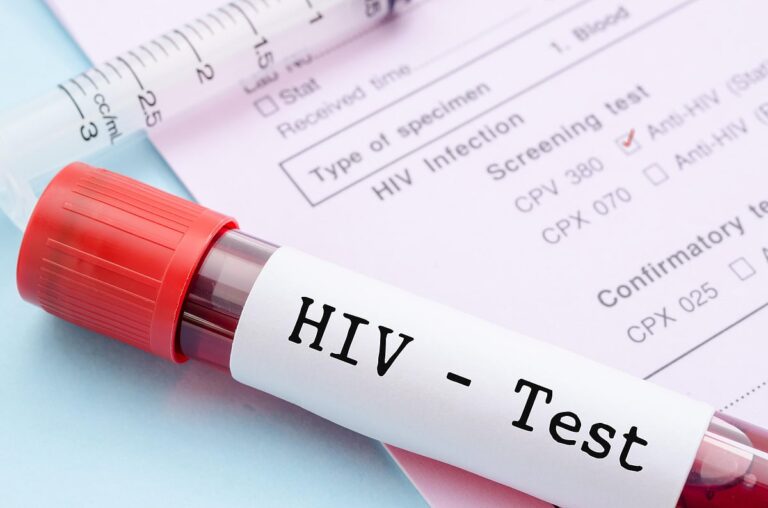
LAGOS, NIGERIA — Only 58.3 per cent of people living with HIV in Lagos know their status, according to the Lagos HIV impact survey, even though most of those diagnosed are on treatment and virally suppressed, BusinessDay reported on 4 November.
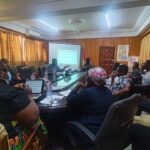
The Lagos State 2025 to 2026 Antiretroviral Therapy (ART) Impact Survey found that 93.4 per cent of diagnosed people were receiving treatment and 88.9 per cent of those on treatment had achieved viral suppression. The results were presented at a dissemination event at the Sheraton Hotel in Ikeja.
What the Lagos HIV impact survey measured
Fieldwork for the Lagos HIV impact survey ran from November 2025 to February 2026. It covered 205 enumeration areas and 6,450 households, with 93.5 per cent of 6,748 eligible households completing interviews, according to BusinessDay.
The survey was supported by the United States Government and conducted with the Federal Ministry of Health and Social Welfare, the National AIDS and STIs Control Programme (NASCP), the National Agency for the Control of AIDS (NACA), the Nigeria Centre for Disease Control and Prevention (NCDC), the Lagos State Government and APIN Public Health Initiatives, among others.
HIV prevalence among adults aged 15 to 64 was 1.6 per cent among women and 0.8 per cent among men. Ubong Okon of APIN, who led the survey, presented the results.
The first 95 is the weakest link
The UNAIDS 95-95-95 targets call for 95 per cent of people with HIV to know their status, 95 per cent of those diagnosed to receive sustained treatment and 95 per cent of those on treatment to achieve viral suppression. Lagos is close on the second and third targets but far from the first.
Other Lagos figures cited by BusinessDay show the scale of the gap. The 2025 HIV Health Sector Report estimates that 197,911 people live with HIV in the state, of whom 129,977 are on antiretroviral therapy, a coverage of 65.7 per cent. That leaves more than 60,000 people outside treatment.
Services for mothers and children are a particular concern. Coverage of prevention of mother-to-child transmission rose from 45 per cent in 2018 to 57.6 per cent in 2025, but early infant diagnosis fell from 7.7 per cent in 2021 to 1.5 per cent in 2025, and paediatric treatment coverage stands at about 44.5 per cent.
Early infant diagnosis means testing babies born to mothers with HIV in the first weeks of life. Without treatment, many infants with HIV die before their second birthday, so a fall in testing means children may be missed at the most dangerous stage.
Turning findings into action
Folakemi Animashaun, Chief Executive Officer of the Lagos State AIDS Control Agency, said “the value of the survey would depend on translating its findings into practical interventions.”
Dayo Lajide, Permanent Secretary of the Lagos State Ministry of Health, said “domestic resource mobilisation and sustainable financing would be important in maintaining services,” according to the report.
The emphasis on financing comes as international support for HIV programmes has become less certain. Nigeria and the United States signed a five-year health cooperation agreement in December 2025 that commits Nigeria to rising counterpart funding for HIV, tuberculosis and malaria services.
The high viral suppression rate shows what consistent treatment can achieve. People who take antiretroviral therapy every day and keep their viral load suppressed can live long, healthy lives and do not pass HIV to their sexual partners. Adherence to antiretroviral therapy, supported by reliable drug supply, counselling and convenient refills, is what keeps those results stable.
The challenge is finding the people who have not been tested. Options include HIV self-testing, testing in pharmacies and workplaces, partner notification for people newly diagnosed, routine testing in antenatal clinics and testing at general outpatient clinics. Men, young people and residents of informal settlements are often harder to reach.
Integrating HIV testing into routine services for chronic conditions such as hypertension and diabetes could also help, since many adults visit clinics or pharmacies for these conditions without ever being offered an HIV test.
Stigma remains a barrier to testing in Lagos and across Nigeria. Fear that a positive result will become known can stop people from testing or from starting treatment.
The Lagos HIV impact survey gives the state a fresh baseline. Officials did not announce specific new targets at the launch, but the findings point to case finding, early infant diagnosis and paediatric treatment as priorities for the next phase of the response.
Why it matters: Lagos treats most diagnosed patients well, but more than 40 per cent of people with HIV do not know they have it.
Beating HIV in Africa: The Power of Adherence HIV continues to be a significant public health challenge in Africa, where the continent carries more than two-thirds of the global HIV burden. Despite these numbers, remarkable progress has been made in expanding access to…
Study Finds HIV Prevention Gains Have Stalled in… DURBAN, SOUTH AFRICA — As a study finds hiv prevention momentum has stalled across rural KwaZulu-Natal, public health experts and epidemiologists are calling for urgent re-evaluations of national prevention strategies. Research published in The Lancet…
Drug Manufacturing in Nigeria: Is the Executive… When the naira lost more than half its value in 2023 and 2024, Nigerians felt it at the pharmacy counter before they felt it almost anywhere else. Prices of common medicines climbed sharply because most…
Ghana Warns Fake HIV Cures on TikTok Are Pulling… KOFORIDUA, GHANA — Public health officials in Ghana's Eastern Region have issued an urgent warning regarding viral social media claims, cautioning that fake hiv cures on tiktok in ghana are inducing patients to abandon lifesaving…