BRAZZAVILLE, CONGO — WHO has called for early diagnosis and affordable treatment of diabetes in Africa ahead of World Diabetes Day 2026 on Saturday, 14 November, warning that nearly three in four adults with diabetes in the region do not know they have it, the highest proportion in the world.
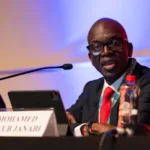
In a message for World Diabetes Day 2026, WHO Regional Director for Africa Dr Mohamed Janabi said 24.6 million adults aged 20 to 79 were living with diabetes in the African Region in 2024, a number projected to reach 59.5 million by 2050, citing International Diabetes Federation estimates.
The World Diabetes Day 2026 message
This year’s theme is “Early Action on Diabetes.” “Know the symptoms of diabetes and act early,” Janabi said. “Early diagnosis and timely treatment can prevent complications, reduce suffering and save lives.”
Warning signs include increased thirst, frequent urination, unexplained weight loss, persistent tiredness and blurred vision, WHO said. Because diabetes can develop without obvious symptoms, people at risk should be screened regularly.
Untreated diabetes can lead to kidney failure, blindness, cardiovascular disease and lower-limb amputations, the message said. Janabi urged campaigns to challenge stigma and discrimination against people with diabetes and called on health workers to improve early recognition, provide timely testing and deliver patient-centred care.
Rwanda commended
WHO is supporting countries to manage diabetes through primary health care and first-level referral facilities using its Package of Essential Noncommunicable Disease Interventions (WHO PEN), HEARTS-D and the PEN-Plus Regional Strategy, which focuses on severe noncommunicable diseases such as type 1 diabetes, sickle cell disease and rheumatic heart disease in district hospitals.
Janabi commended Rwanda for achieving nationwide district-level coverage of PEN-Plus. Significant gaps remain across the region in trained health workers, diagnostic services, essential medicines and continuous diabetes care, according to the message.
PEN-Plus brings specialised care for severe chronic conditions to district hospitals, reducing the need for patients to travel to referral centres in capital cities. Rwanda’s experience shows that such services can be scaled nationally when integrated into existing systems.
Why so many go undiagnosed
Many Africans live far from health facilities that can test blood sugar, and screening is often not offered during routine visits. Type 2 diabetes develops slowly and may cause few symptoms for years, so people may only be diagnosed when complications appear.
Type 1 diabetes, which mainly affects children and young people, is often missed until a child develops diabetic ketoacidosis, a life-threatening emergency. Reliable access to insulin, syringes and glucose testing remains a challenge in many countries.
Rising rates of overweight, physical inactivity and diets high in sugar, salt and processed foods are driving type 2 diabetes in African cities. A WHO study this month found that one in four adolescents worldwide had no active days in the previous week, highlighting the role of lifestyle from an early age.
Across the region
In South Africa, diabetes is now the leading underlying natural cause of death, and advocates say the country’s 2027 targets are out of reach. In Ghana, stroke cases, often linked to diabetes and hypertension, have risen 52 per cent in five years. In Nigeria, health officials have highlighted rising noncommunicable diseases as a priority for faster action.
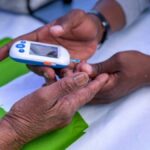
Community pharmacies, community health workers and workplace screening programmes can help reach people who rarely visit clinics. A simple finger-prick glucose test, combined with blood pressure checks, can identify many people at risk.
World Diabetes Day is marked each year on 14 November, the birthday of Sir Frederick Banting, who co-discovered insulin in 1921. More than a century later, access to insulin and diabetes care remains uneven across Africa.
Many African health systems were designed mainly for acute and infectious diseases, and are only now adapting to manage lifelong conditions that require regular follow-up, steady medicine supply and patient education.
Health financing is another barrier. In many countries, people with diabetes pay out of pocket for tests, medicines and consultations, which can push households into poverty and lead patients to ration treatment. Including diabetes care in national health insurance packages, as several countries are doing, can improve access.
WHO also encourages countries to integrate diabetes screening with services for hypertension, HIV and tuberculosis, which can reach people already in contact with the health system.
WHO reaffirmed its commitment to the 2030 targets of the Framework for the Implementation of the Global Diabetes Compact in the African Region. World Diabetes Day 2026 events across the continent are expected to promote screening, awareness and better access to care.
Why it matters: Most Africans with diabetes do not know it, so screening and early treatment are the cheapest way to prevent blindness, amputations and early death.
WHO Says Three in Four Africans With Diabetes Do Not Know It BRAZZAVILLE, CONGO — Nearly three in four adults with diabetes in Africa do not know they have the condition, the World Health Organization (WHO) has warned, describing undiagnosed diabetes in Africa as the highest…
South Africa’s Diabetes Targets Remain Out of Reach… JOHANNESBURG, SOUTH AFRICA — South Africa diabetes targets set for 2027 remain out of reach as patients struggle to get diagnosed, treated and supported, experts told Health-e News, in a report published on 11 November…
Diabetes in Nigeria: Why Blood Sugar Control Fails Diabetes in Nigeria does not usually fail in the clinic. Among people who reach a specialist and stay in care, control is often reasonable. It fails in the years before anyone tests you, and it…
WHO Says Ebola Survivors Can Spread Virus Through… BRAZZAVILLE, CONGO — People who survive Ebola can pass the virus on through sex if it persists in semen after recovery, but are not expected to spread it through sweat or saliva once discharged, the…